Scientists Find 'Stop Sign' That Halts Mega-Earthquakes
Researchers discovered the seismic signature that reveals where underground barriers stop earthquakes from becoming catastrophic megaquakes. This breakthrough could help predict which fault lines will produce minor tremors versus devastating disasters.
Scientists just cracked the code on what stops a massive earthquake in its tracks, and the discovery could transform how we predict which communities face the greatest risk.
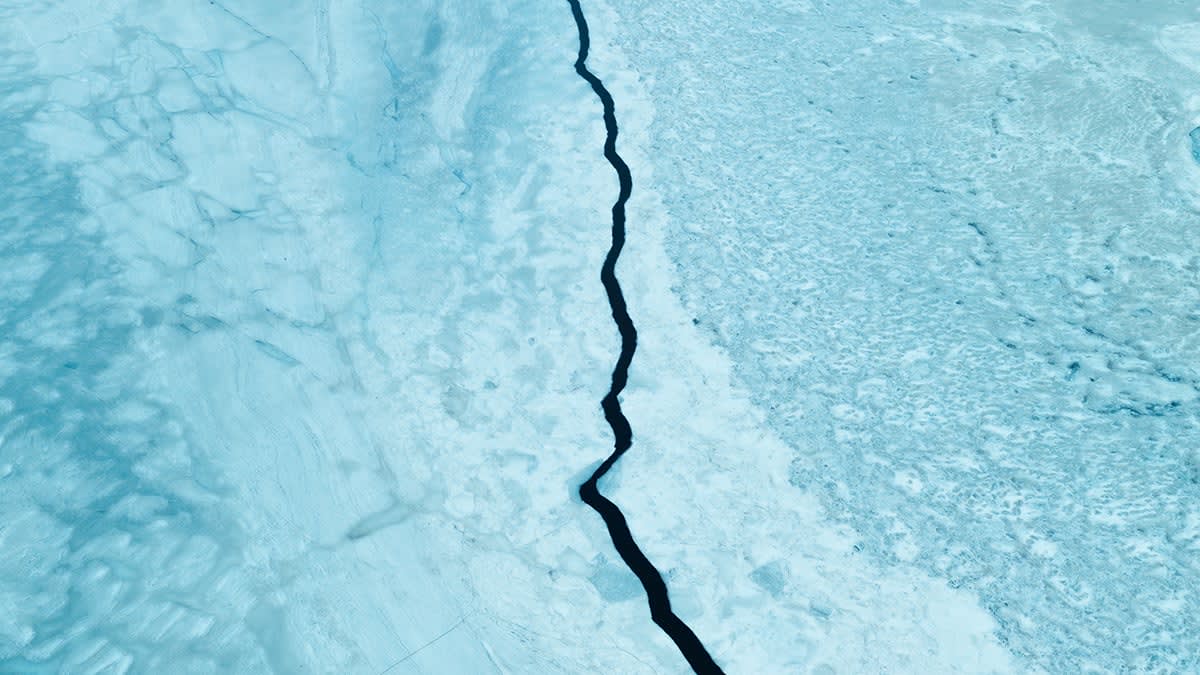
Researchers at Victoria University of Wellington and Kyoto University found the seismic fingerprint of underground barriers that act like emergency brakes during earthquakes. When a spreading rupture slams into one of these barriers deep in the Earth's crust, it creates a distinctive shock wave called a "stopping phase" that travels backward through the ground.
"It's like you're in a car and the brakes suddenly engage, and you snap back in your car seat," explains Jesse Kearse, the study's co-author. A person standing above one of these barriers would feel the ground jolt forward with the rupture, then sharply snap back in the opposite direction.
The team analyzed data from sensors near 12 major earthquakes worldwide and successfully isolated this stopping phase signature in five of them. Each barrier works as a checkpoint: if it holds, the earthquake stays small and localized. If the rupture has enough energy to shatter through, it cascades into the next fault segment, potentially growing into a megaquake.
This matters because every fault line contains these natural checkpoints, but until now scientists couldn't locate them or measure their strength. The stopping phase acts like a geological tattoo, marking exactly where these barriers exist underground.
Why This Inspires
The research team has handed earthquake scientists a powerful new tool. By identifying stopping phases in historical earthquake data, researchers can now map underground barriers along major fault lines like California's San Andreas. They can measure how much energy each barrier can absorb and identify surface features that might amplify shaking.
"This new insight can potentially transform earthquake hazard analysis," says Yihe Huang, a University of Michigan geophysicist not involved in the study. Communities living near strong barriers might face lower risk than previously thought, while areas between weak checkpoints could need upgraded building codes.
The findings also explain why some earthquakes fizzle while others devastate entire regions. That knowledge gives engineers and city planners concrete data for deciding where to reinforce infrastructure and where communities can breathe easier.
The researchers focused on strike-slip earthquakes where rock blocks slide horizontally because more data exists for them. They're now working to confirm the stopping mechanism applies to thrust earthquakes that move vertically and trigger tsunamis, like the recent magnitude 7.7 event off Japan's coast.
Every mapped barrier brings us closer to knowing which fault segments pose real danger and which ones have nature's own emergency brakes already installed.
More Images



Based on reporting by Scientific American
This story was written by BrightWire based on verified news reports.
Spread the positivity!
Share this good news with someone who needs it