Scientists Find Way to Help Aging Eyes Regrow Lost Neurons
Researchers discovered why older eyes struggle to regenerate nerve cells lost to diseases like glaucoma and found that anti-inflammatory steroids can partially restore this healing ability. The breakthrough could open new treatment paths for age-related vision loss affecting millions.
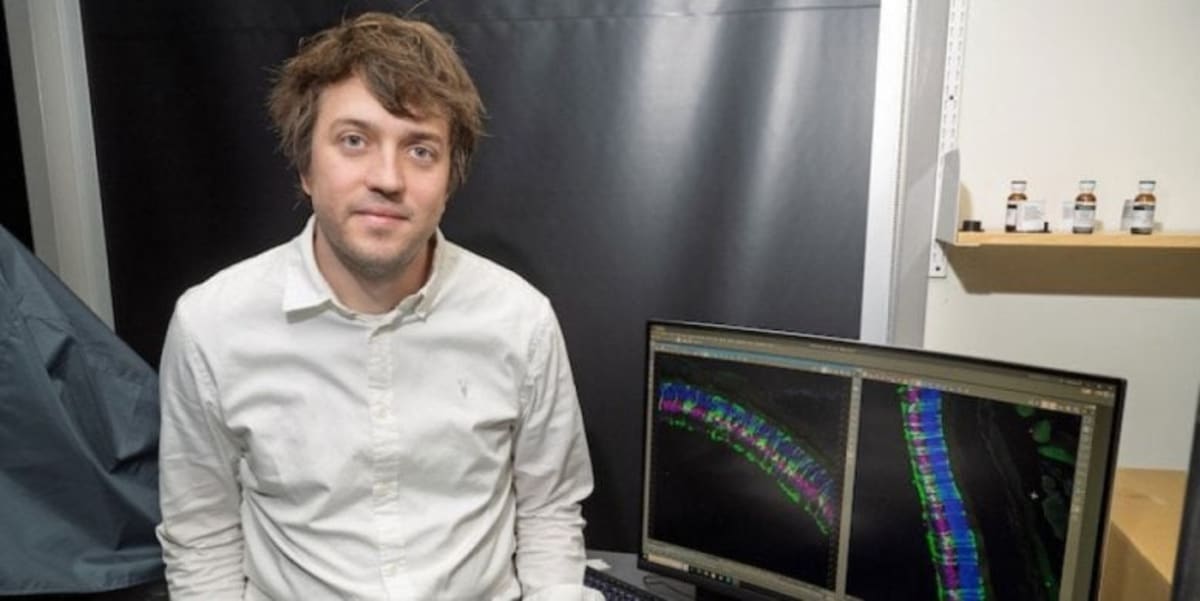
Scientists at Upstate Medical University just cracked a puzzle that could change how we treat vision loss in older adults.
For years, researchers have tried to replace nerve cells destroyed by glaucoma by transforming support cells called glia into new neurons. The technique worked beautifully in young mice, but failed in older tissue where it's actually needed most.
Dr. Levi Todd and his team discovered two key reasons why aging makes this transformation so difficult. First, inflammation naturally increases with age throughout the body, including in the eyes. Second, the cells themselves become less flexible over time because unlike skin or liver cells that constantly replace themselves, eye cells last a lifetime.
The researchers tested several reprogramming strategies and found the same disappointing pattern. As tissue aged, the support cells became substantially less efficient at producing new neurons.
But here's where the story gets exciting. When the team treated aging retinas with anti-inflammatory steroids, they partially restored the tissue's ability to regenerate. It wasn't perfect, but it proved the barrier could be overcome.
Todd explained that inflammation breaks down the protective barrier that normally keeps immune cells out of nervous tissue. "The immune system is a blunt force," he said. "You don't want it in your brain because it can interfere with delicate processes like regeneration."
The finding matters because most neurodegenerative diseases affect older people. Glaucoma, Alzheimer's, and Parkinson's all involve the loss of neurons that the body can't naturally replace.
Why This Inspires
This research represents something rare in science: acknowledging a real-world challenge and finding a path forward. Most regeneration studies have focused on young animals, creating techniques that looked promising but might never help actual patients.
Todd's team proved that cell replacement therapy can still work in aged tissue, just with extra hurdles to clear. They're now working to identify the specific inflammatory molecules that block regeneration so they can target the problem more precisely than broad steroids allow.
The next step involves developing treatments like monoclonal antibodies that could block specific inflammatory pathways without suppressing the entire immune system. That specificity could avoid the negative side effects of widespread immune suppression.
Todd gave special credit to the three graduate students who led the research and authored the paper. Their work, published in the Proceedings of the National Academy of Sciences, brings hope to millions living with degenerative eye diseases.
The discovery also raises important questions about regeneration efforts in other parts of the nervous system, potentially influencing research far beyond vision.
This breakthrough proves that even our tired, aging cells still hold the potential to heal when given the right support.
Based on reporting by Google News - Scientists Discover
This story was written by BrightWire based on verified news reports.
Spread the positivity!
Share this good news with someone who needs it