Scientists Find Whale Bones 400 km Inland in Alaska
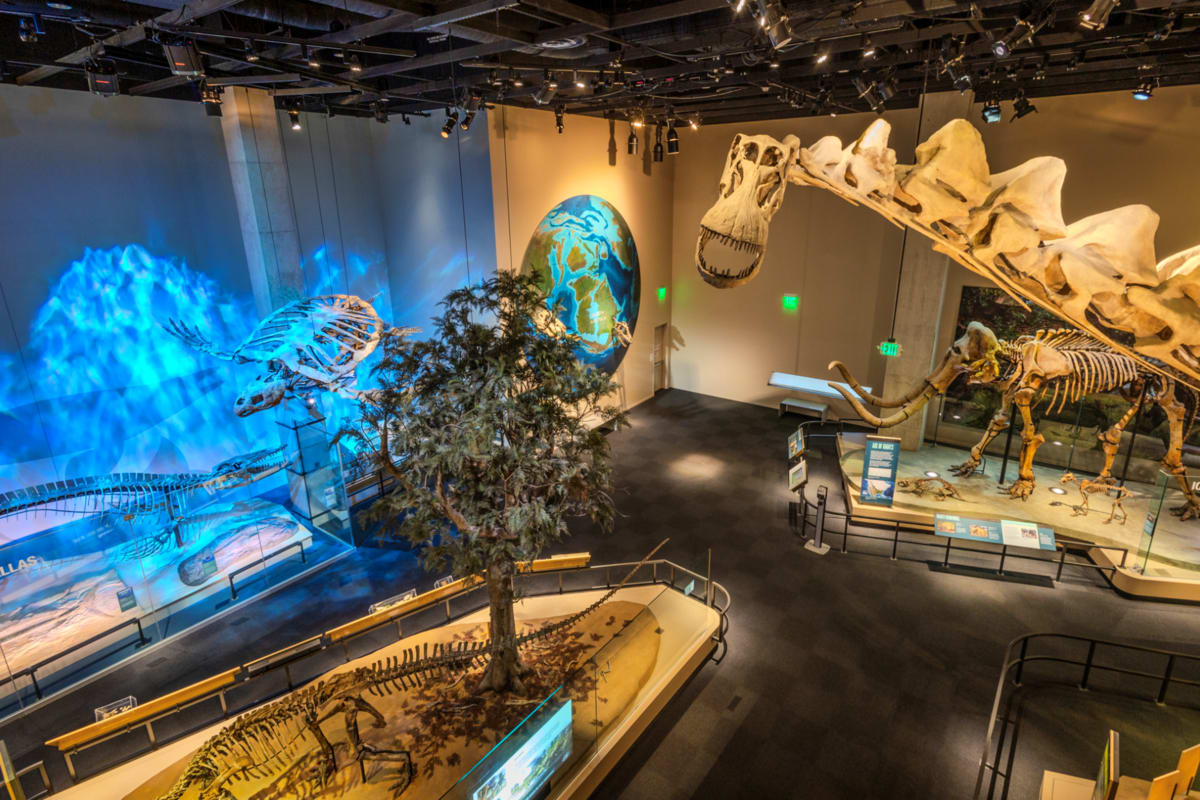
Researchers hunting for Alaska's last mammoths made an unexpected discovery that turned into a delightful scientific mystery. Two "mammoth" bones collected in the 1950s turned out to be whales found hundreds of miles from any ocean.
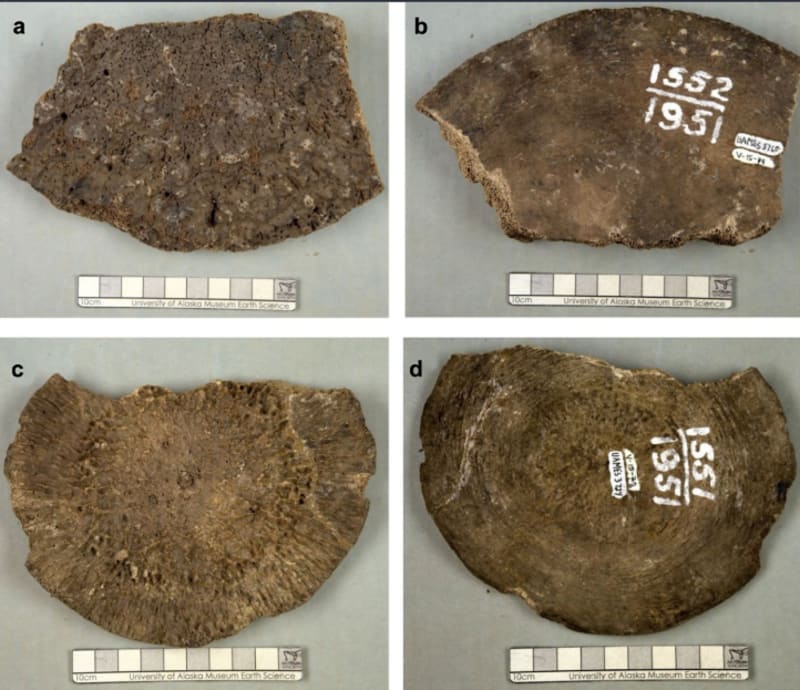
When University of Alaska scientist Matthew Wooller tested what he thought were 2,000-year-old mammoth bones, he got the surprise of his career. The fossils weren't from mammoths at all but from two whales that somehow ended up 400 kilometers inland.
Wooller and his team have been dating over 300 mammoth fossils through their "Adopt-a-Mammoth" project, searching for Alaska's youngest mammoths to solve an Ice Age mystery. Two bones from near Fairbanks seemed impossibly young at just 2,800 and 1,900 years old, long after mammoths supposedly went extinct around 11,000 years ago.
The first clue something was off came from the chemistry. The bone samples showed diets heavy in marine protein, like modern whales eat, which would be extremely strange for land animals living 400 kilometers from the coast.
Visual inspection couldn't solve the puzzle since vertebral growth disks look similar across species after thousands of years underground. Even mammoth and whale experts who examined the bones just shrugged, unable to identify them by sight alone.
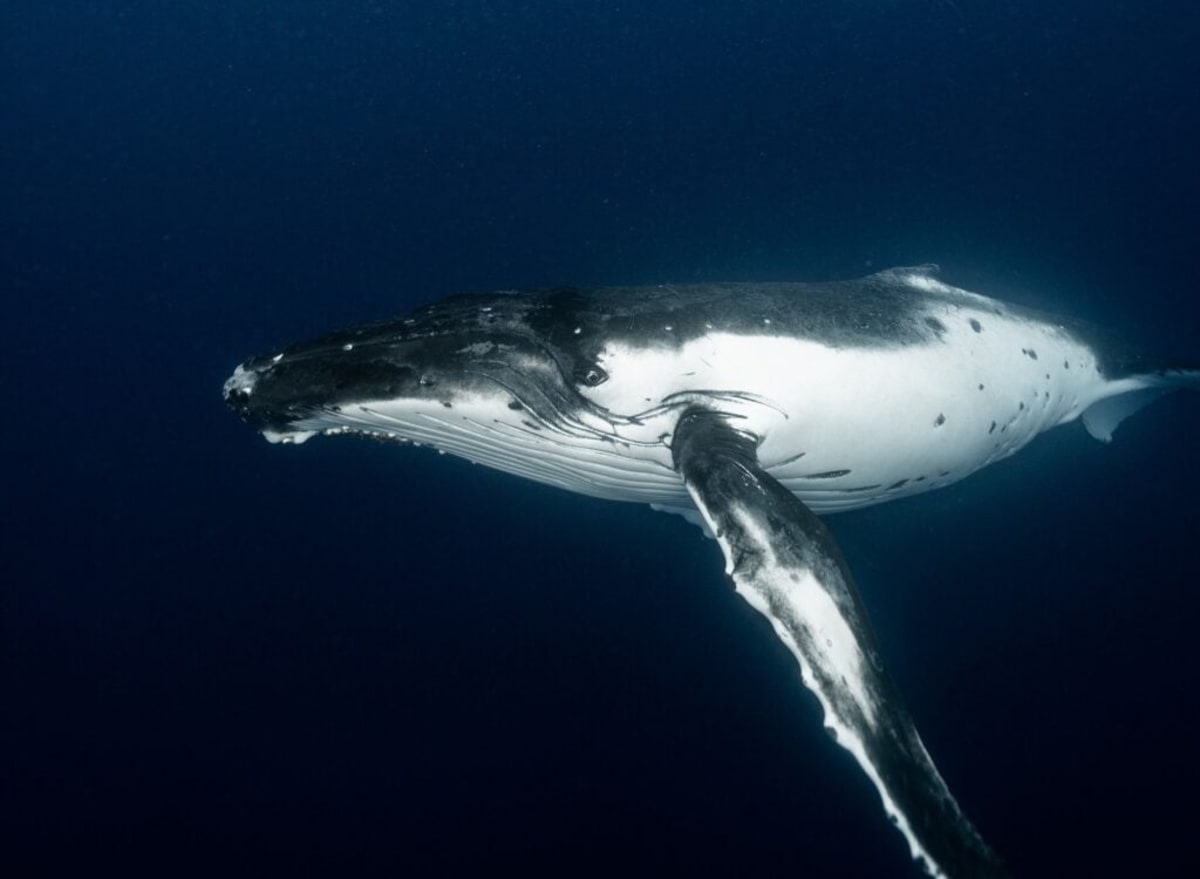
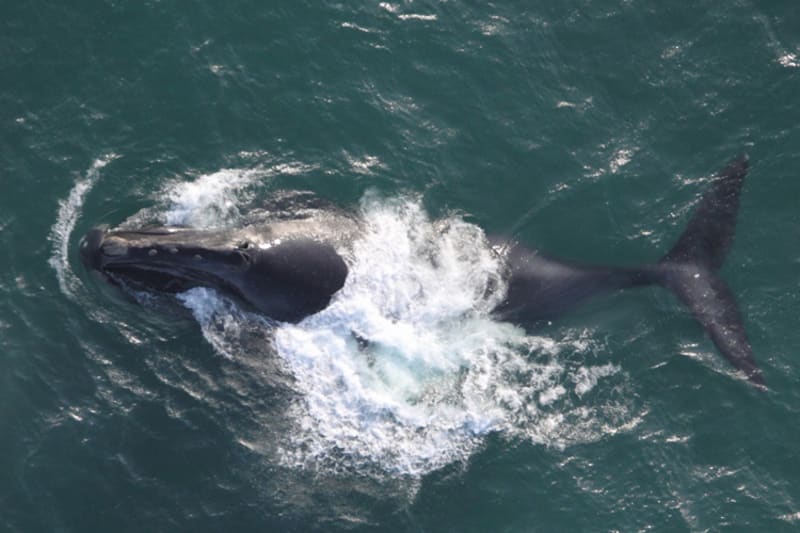
Ancient DNA finally cracked the case. The bones belonged to a North Pacific right whale and a minke whale, turning the mammoth hunt into an entirely different mystery.
Why This Inspires
This story shows how scientific surprises can be just as exciting as finding what you're looking for. A fossil collector in the 1950s made an honest mistake that sat in a museum for 75 years, waiting for modern DNA technology to reveal its secret.
The discovery also highlights how crowdfunding is opening new doors in science. The Adopt-a-Mammoth project lets anyone contribute $380 to date a specimen, get test results, and even name their adopted mammoth (Tusky McTuskface, anyone?).
Now researchers face a delightful new puzzle: how did whale bones travel so far inland? Minke whales have been spotted up to 1,000 kilometers inland in rivers worldwide, so perhaps these adventurous cetaceans swam upstream thousands of years ago.
Sometimes the best discoveries are the ones you never expected to make.
More Images



Based on reporting by Ars Technica Science
This story was written by BrightWire based on verified news reports.
Spread the positivity!
Share this good news with someone who needs it