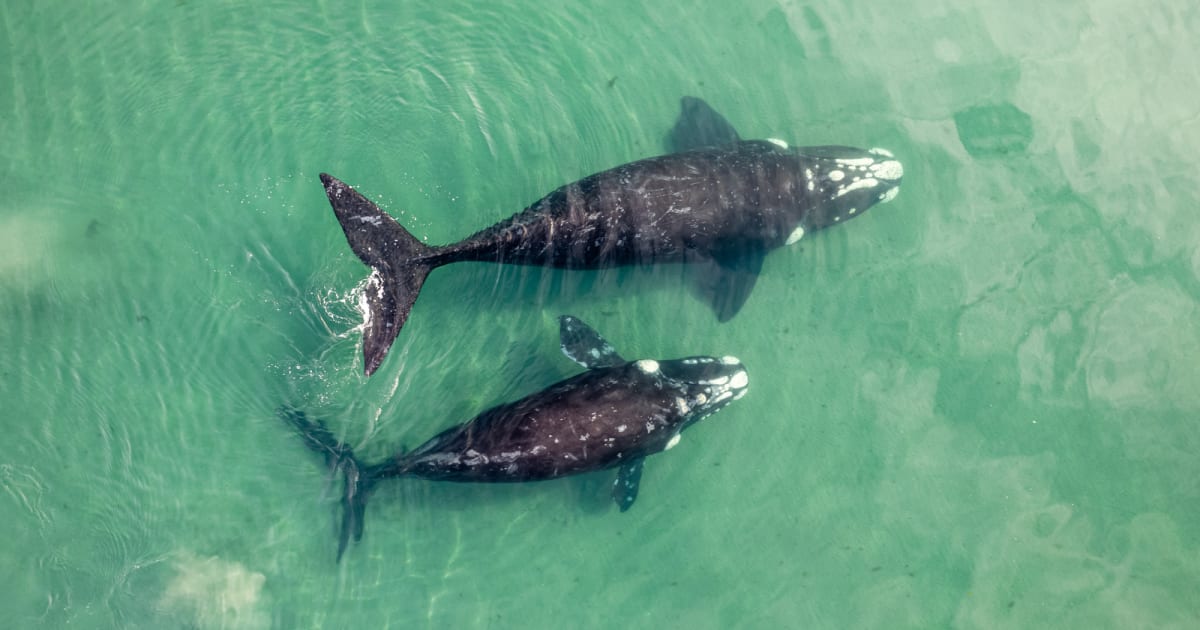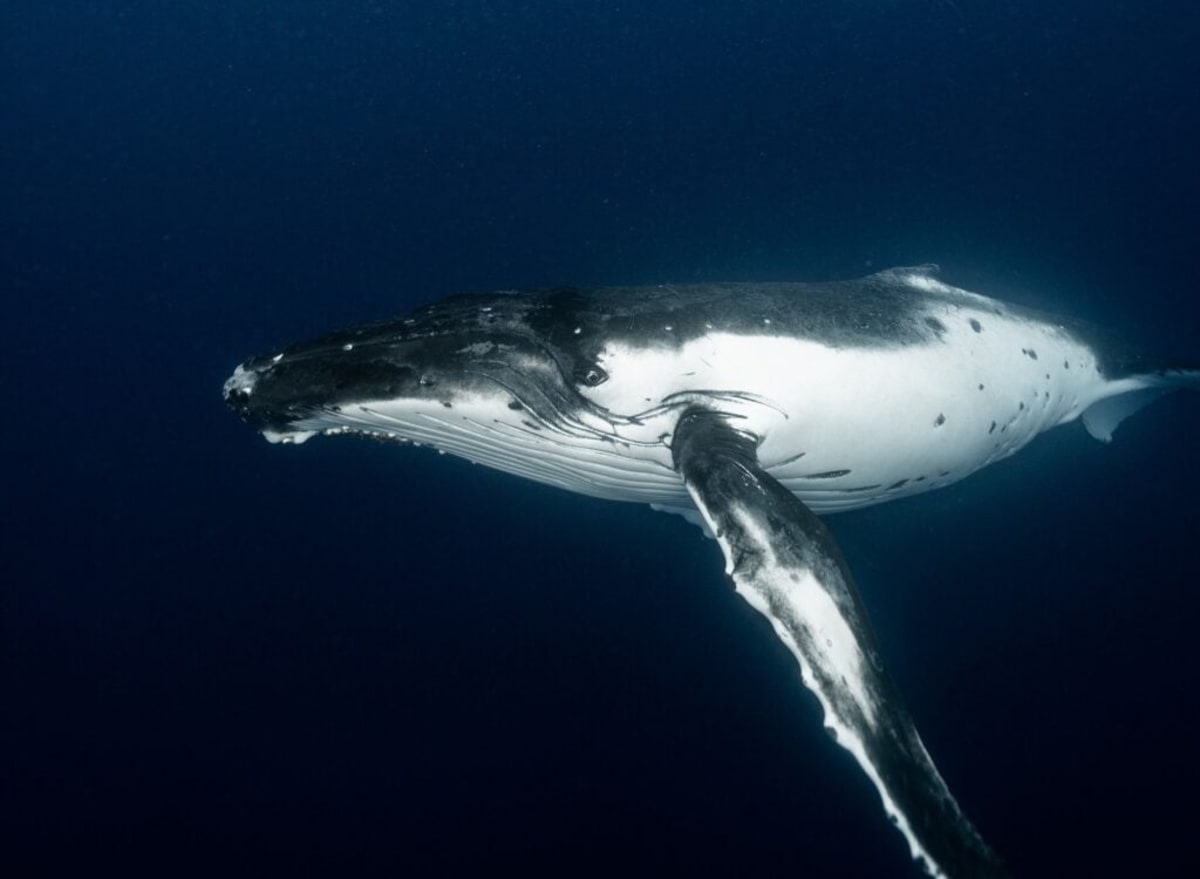
The 52-Hertz Whale: Mystery, Not Loneliness, in the Deep
For over a decade, scientists tracked a whale calling at an unusual 52-hertz frequency in the North Pacific. The world labeled it the "loneliest whale," but researchers say we simply don't know enough about its life to make that claim.
A whale has been singing in the North Pacific at 52 hertz, a frequency unlike any other known whale, and for decades we've called it lonely without ever proving it was alone.
The story started with sound, not sight. Between 1992 and 2004, researchers William Watkins and his team tracked an unusual whale call using U.S. Navy hydrophones originally designed to monitor submarines. The signal appeared every autumn and winter, clearly from a baleen whale, but at a frequency that didn't match any known species.
Blue whales typically call around 15 to 20 hertz. Fin whales pulse at about 20 hertz. This whale sang higher, at 52 hertz, and researchers never detected a matching response in their records.
The public heard "no response" and imagined loneliness. Scientists heard "no detected response" and saw the limits of their equipment. Those are very different conclusions.
The ocean isn't a quiet room where every conversation gets recorded. Whale calls travel through water, change with distance, and compete with noise from storms, ships, geology, and countless other animals. A hydrophone can tell you a sound reached a sensor, but it can't tell you if another whale heard it, understood it, or answered from somewhere outside the monitoring range.
The 2004 paper in Deep Sea Research was careful and restrained. The researchers described tracking "a unique source," not a lonely individual. They noted the call didn't fit known patterns, and that it deepened slightly over time, possibly indicating the whale was aging.
Mary Ann Daher, one of the study's authors, doubted the whale represented a new species. It might be an unusual individual, a hybrid, or a whale with a physical difference affecting its voice. The honest answer remains: we don't know.
Why This Inspires
The 52-hertz whale became famous because we saw ourselves in its story. A voice that seems different, a call that appears unanswered, the question of whether anyone truly hears us. These are deeply human concerns projected onto an animal we've never seen.
But here's the inspiring part: scientists refuse to write a neat ending where none exists. They could have confirmed the loneliness narrative and moved on. Instead, they've maintained scientific honesty for two decades, reminding us that an unresolved mystery is more valuable than a false conclusion.
The whale's identity matters less than what its story teaches us about humility. We built sensors that can hear across oceans, yet we still can't say with certainty whether one whale is alone. The ocean is larger than our ability to interpret it, and sometimes the most honest thing we can say is "we're still listening."
That same recognizable call persisted for at least twelve years, creating not just data points but something like a biography written in sound. Somewhere in the North Pacific, a whale continues singing at its own frequency, and whether it's heard or not, it hasn't stopped.
More Images




Based on reporting by Google News - Science
This story was written by BrightWire based on verified news reports.
Spread the positivity!
Share this good news with someone who needs it

%2Fhttps%3A%2F%2Ftf-cmsv2-smithsonianmag-media.s3.amazonaws.com%2Ffiler_public%2F3b%2Ff9%2F3bf963ae-c158-4aa5-bf52-4165a34fdef3%2Fhairy-new-fish-species-1.jpg)