Scientists Find Why Most Foods Don't Cause Allergies
Researchers discovered three common proteins in corn, wheat, and soy that train our immune systems to tolerate food instead of attacking it. This breakthrough could lead to treatments that eliminate food allergies for millions of people.
Every time you eat a meal, your body performs a quiet miracle by recognizing that food is safe and not a threat. Now scientists have discovered exactly how that happens, opening the door to potential cures for food allergies.
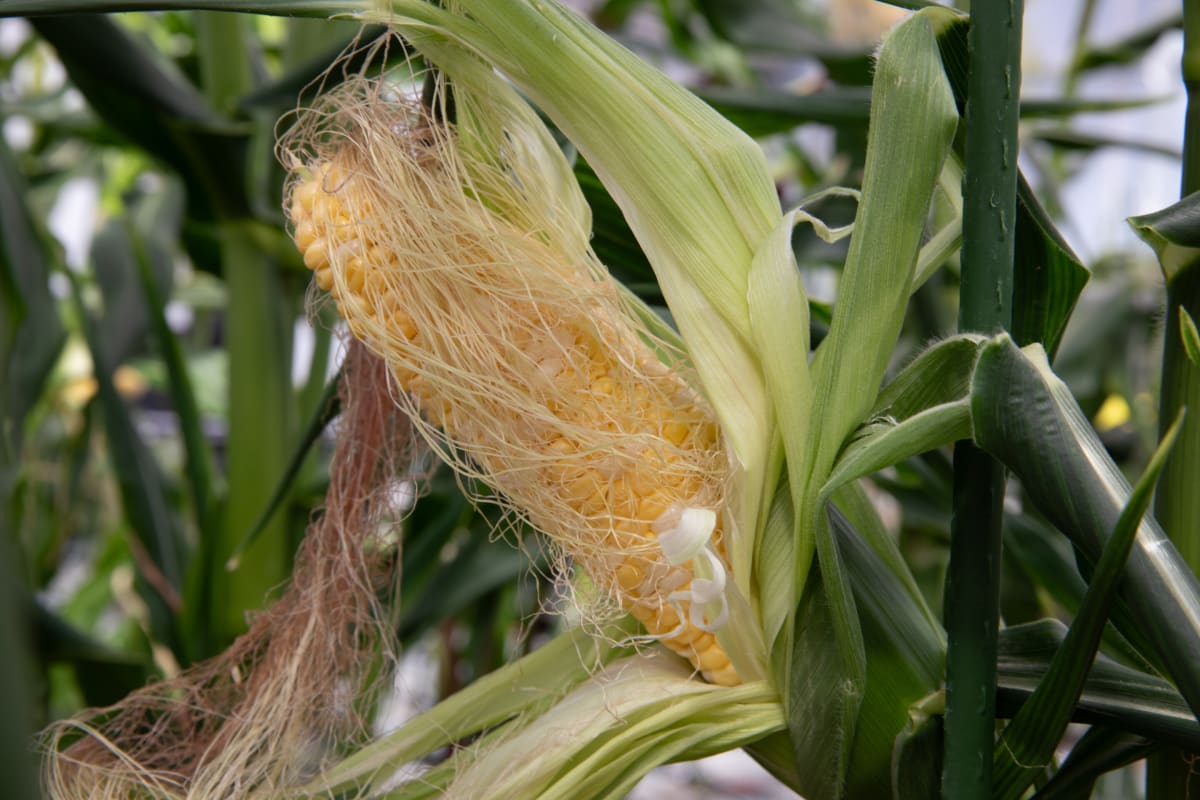
Researchers at Stanford University identified three specific protein segments in corn, wheat, and soy that teach immune cells to tolerate food. These tiny protein bits, called epitopes, work with specialized regulatory T cells to help your gut decide what's safe to eat and what should be rejected.
The discovery came from an inventive approach. Instead of studying one food at a time, the team screened immune cells from mice eating their normal diet to see what proteins the cells were naturally tolerating.
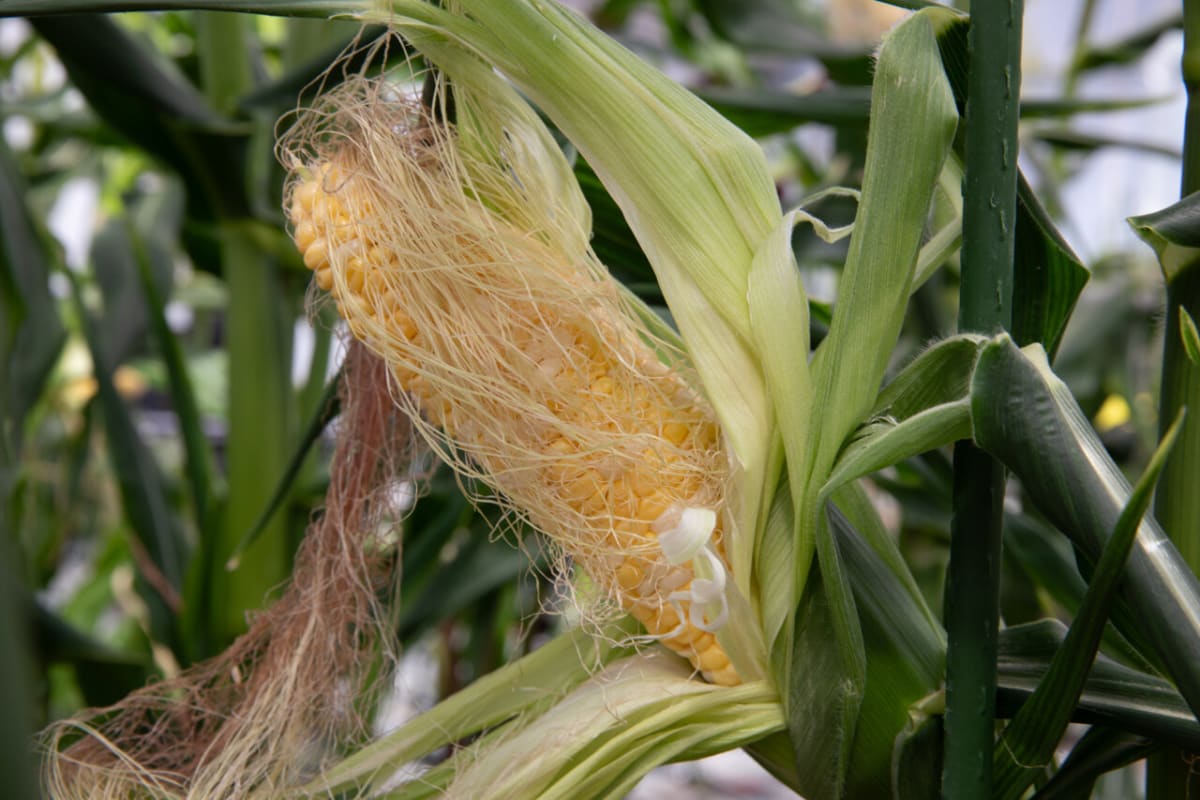
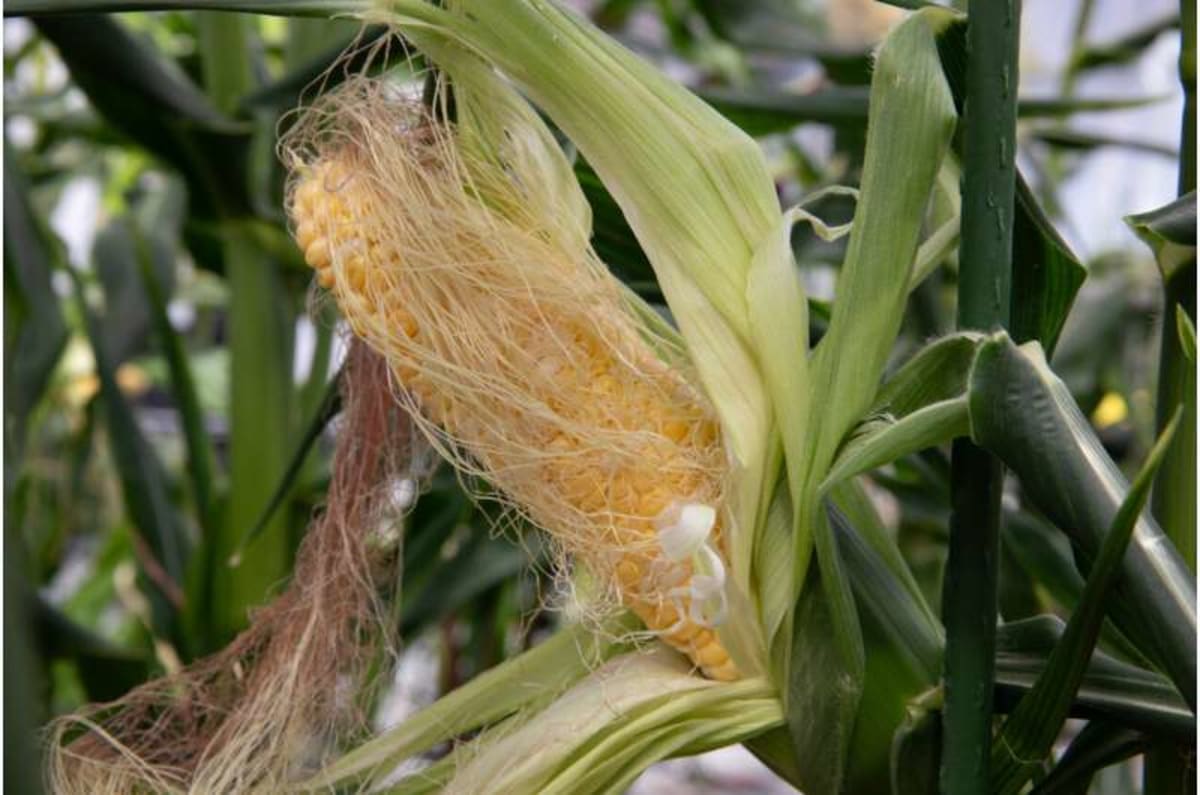
They found that corn generated the most tolerance response, which makes perfect sense since corn allergies are rare. The soybean finding was especially exciting because soy is actually a major allergen in humans, giving scientists a crucial clue about why some people react badly while most don't.
The research also revealed why tolerating one food sometimes means tolerating another. The same immune receptor that recognizes the soybean epitope also recognizes sesame, explaining cross-tolerance between foods.
Lead researcher Jamie Blum, who recently joined the Salk Institute after conducting this work at Stanford, emphasized the importance of understanding normal immune function. Knowing how the immune system recognizes proteins as safe could unlock new therapies for people suffering from food allergies.
The location matters too. These tolerance-promoting regulatory T cells live primarily in the gut, where they either reduce existing inflammation or maintain a calm, healthy environment depending on what's needed.
About 6% of young children and 3% to 4% of adults experience food allergies, making this research deeply relevant. Scientists already knew that regulatory T cells played a role in tolerance, but they didn't know which specific proteins triggered that protective response.
Why This Inspires
This discovery represents hope for millions of families navigating the daily stress of severe food allergies. Imagine a future where children with peanut or egg allergies could receive an immunotherapy treatment with pre-programmed regulatory T cells that teach their bodies to tolerate those foods safely.
The research team noted that all three identified epitopes came from seed proteins, suggesting these abundant plant proteins are key players in training our immune systems. This pattern could help scientists predict and understand tolerance mechanisms for other foods.
The findings appeared in Science Immunology in March 2026 and were supported by the National Institutes of Health, National Science Foundation, and private donors. As Blum noted, diet is our most intimate interaction with our environment, and getting that interaction right creates the anti-inflammatory foundation our bodies need.
This breakthrough moves us closer to therapeutic interventions that could one day eliminate food allergies entirely.
More Images


Based on reporting by Medical Xpress
This story was written by BrightWire based on verified news reports.
Spread the positivity!
Share this good news with someone who needs it