Scientists Grow Animal Protein in Plants for Better Veggie Burgers
Scientists successfully engineered tobacco and lettuce plants to produce myoglobin, the muscle protein that gives meat its flavor and color. This breakthrough could make plant-based foods taste better while reducing farming's environmental impact.
Your next veggie burger might get its meaty flavor from actual lettuce leaves.
Researchers at Imperial College London have cracked a fascinating code: they've taught plants to grow myoglobin, the animal protein responsible for meat's red color, iron-rich nutrition, and savory taste. Published in Frontiers in Plant Science, this discovery could transform how we make plant-based foods.
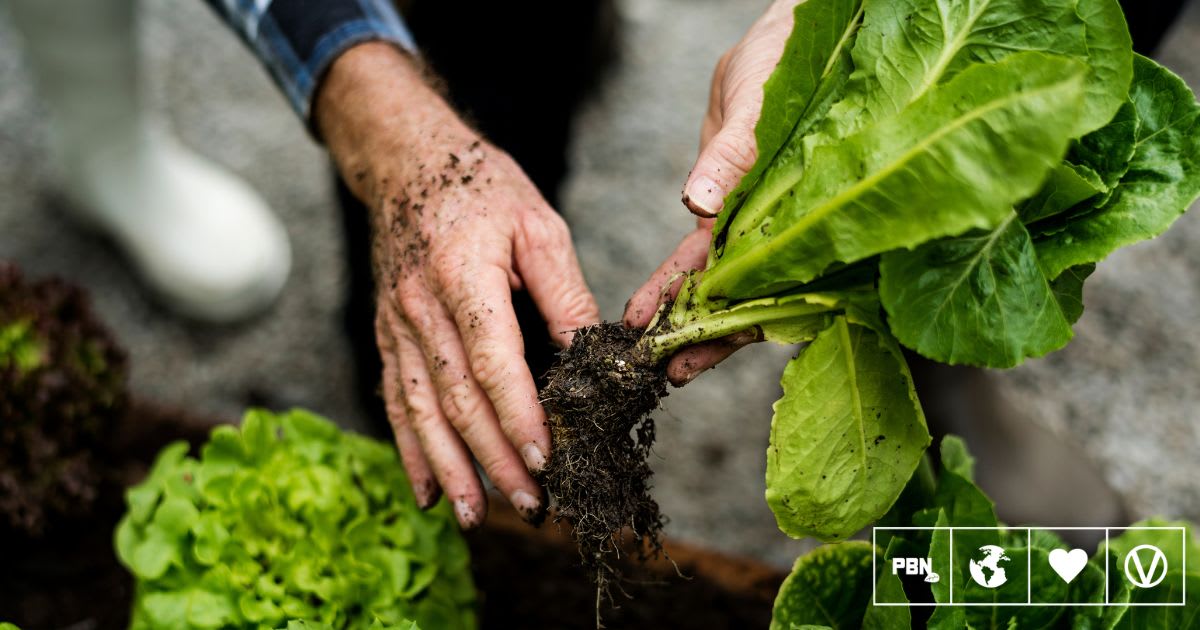
The team used a "gene gun" to shoot copies of the myoglobin gene into tobacco and lettuce seedlings. The plants successfully integrated the protein into their chloroplasts, the tiny solar panels inside plant cells that power photosynthesis. Even better, these modified plants passed the trait to their offspring, making large-scale production possible.
"Here we show that plants can be engineered to produce the animal protein myoglobin in their chloroplasts," explained researcher Alexia Groff. The team believes this production method could eventually match the output of traditional livestock farming.
The timing couldn't be better. The global plant-based protein market is worth up to $9.32 billion and could grow by over 12 percent annually for the next decade. Companies are racing to improve the taste, texture, and nutrition of meat alternatives.
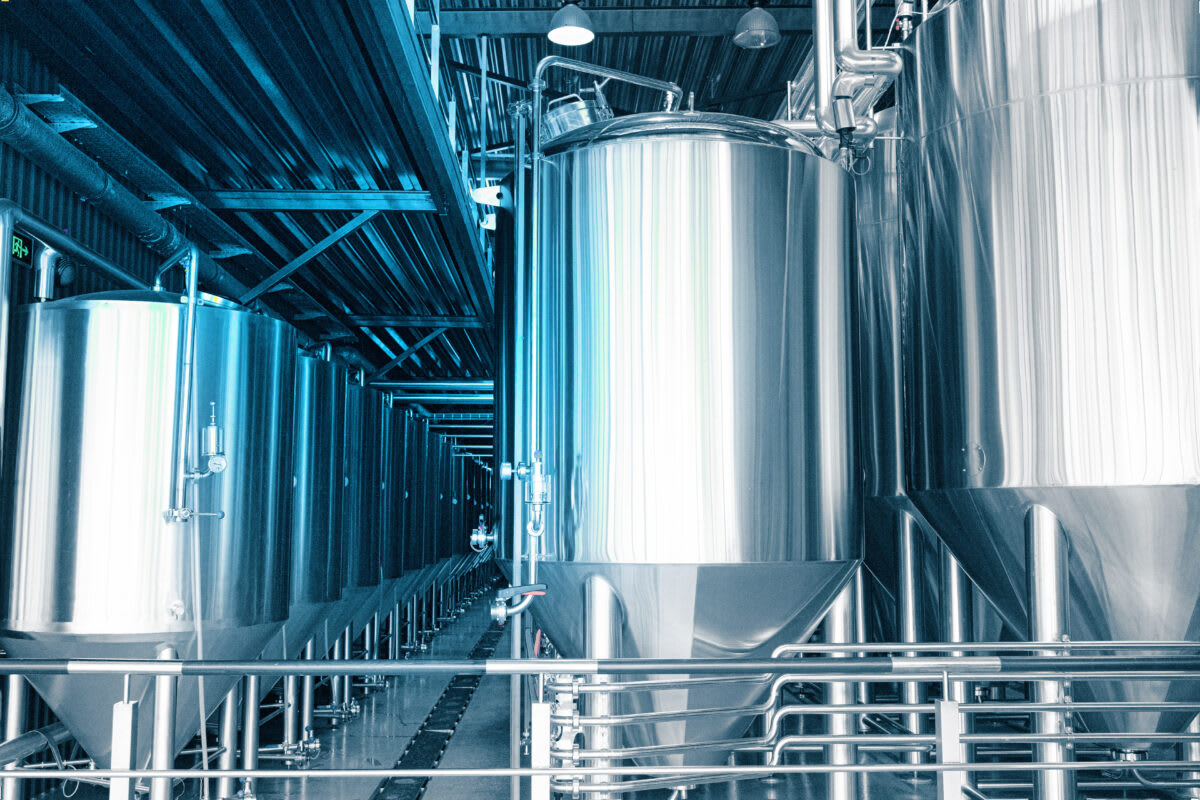
Currently, many manufacturers use precision fermentation, inserting animal protein genes into bacteria or yeast to create sustainable ingredients. This new plant-based approach offers another promising path forward.
The researchers envision extracting myoglobin from modified lettuce leaves, purifying it, and adding it to plant-based burgers and sausages. This would boost their iron content while delivering that metallic, umami flavor meat lovers crave.
The Ripple Effect
Beyond better burgers, this innovation addresses one of our biggest environmental challenges. Animal farming consumes massive amounts of resources and produces significant greenhouse gas emissions. The research team noted that eating less meat remains one of the most effective personal choices for reducing our environmental footprint.
Kyoko Morimoto, chief scientific officer at Kyomei, the Cambridge startup that partially funded the research, sees even broader potential. "We hope that edible lettuce, modified to express myoglobin, could also one day serve as a heme-iron-enriched biofortified food," she said, pending regulatory approval.
That means future salads could pack the same iron punch as a steak, helping address iron deficiency while keeping cows in pastures instead of factory farms. It's a solution that feeds people better while treating the planet more gently.
The path from laboratory to lunch plate will require regulatory approval and commercial scaling, but the foundation is solid. Plants are already expert manufacturers, and now they're learning to make ingredients they never produced before.
More Images

Based on reporting by Google News - Scientists Discover
This story was written by BrightWire based on verified news reports.
Spread the positivity!
Share this good news with someone who needs it