Scientists Grow Chickpeas in Moon Dirt Using Worms and Fungi
Researchers successfully grew chickpeas in lunar soil by adding compost from worms and helpful fungi, bringing moon farming closer to reality. The breakthrough could help future astronauts grow their own food instead of relying on expensive supply trips from Earth.
Imagine making hummus on the moon. Thanks to scientists at the University of Texas, that dream just got a little closer to reality.
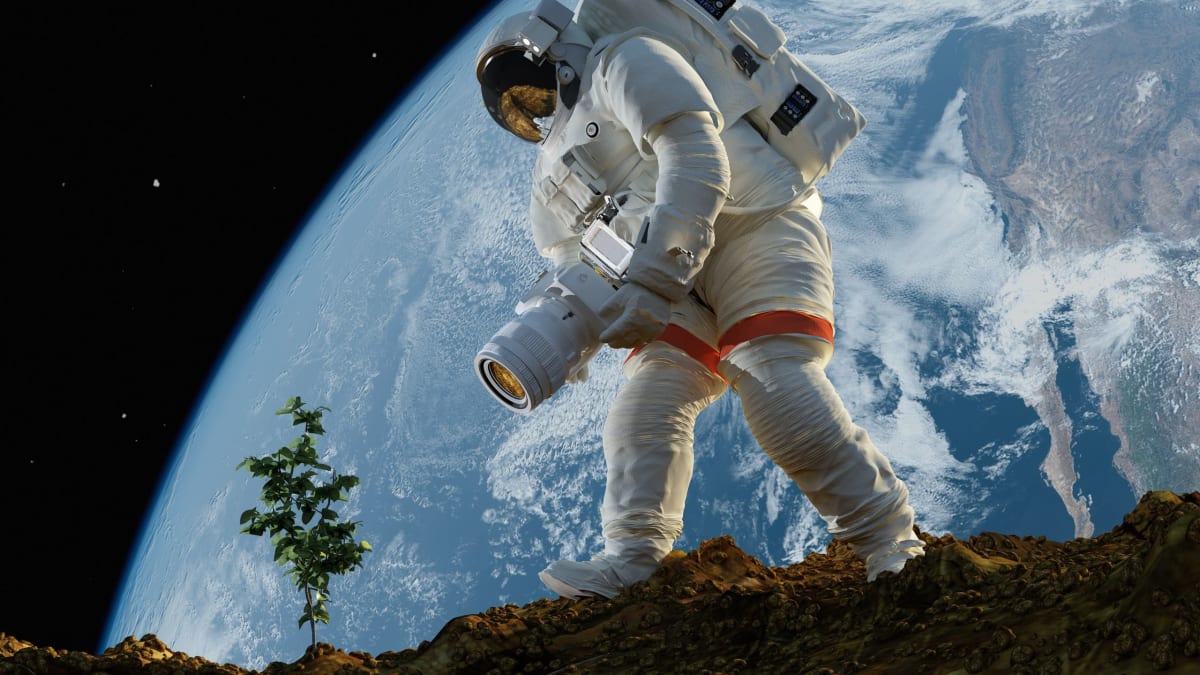
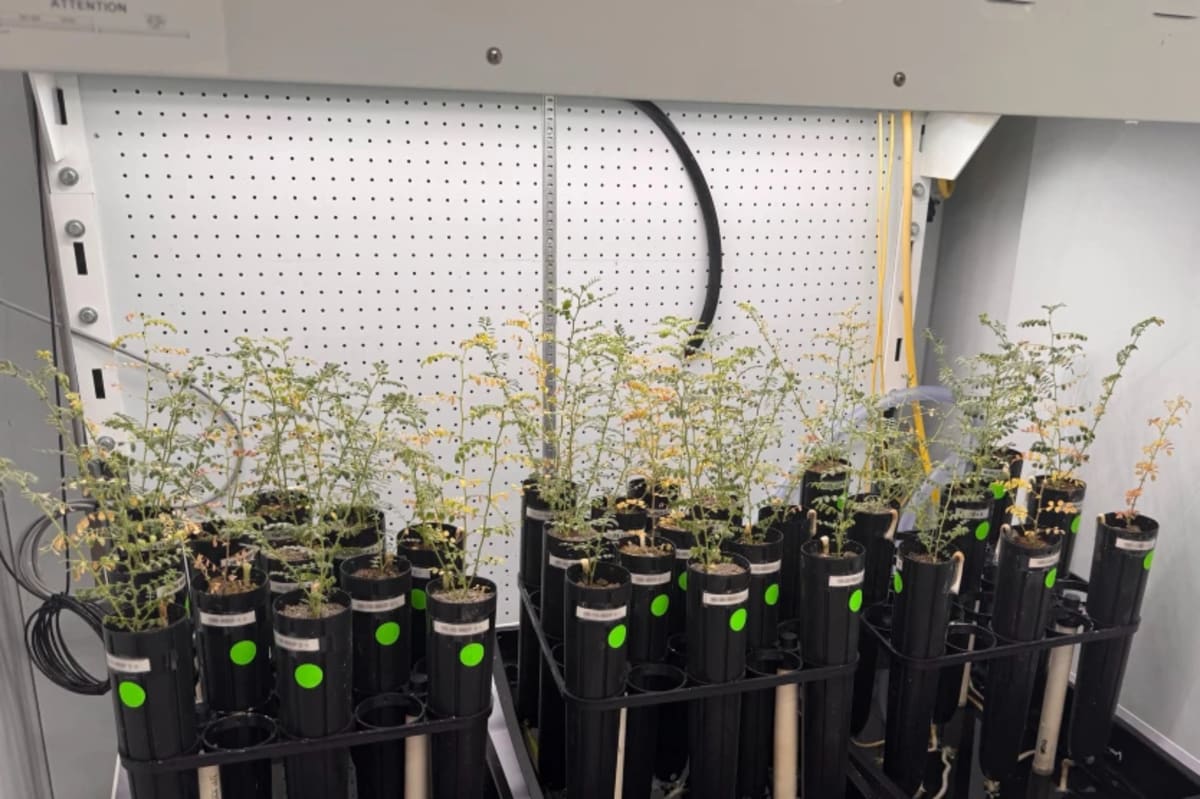
Researchers successfully grew chickpea plants in simulated lunar dirt by treating it with worm compost and beneficial fungi. The plants not only survived but actually produced seeds, a major step toward making future moon bases self-sufficient.
The challenge is that moon dirt, called regolith, is nothing like Earth soil. It lacks organic matter and helpful microorganisms, contains toxic metals like aluminum and zinc, and doesn't absorb water well. Growing anything in it seemed nearly impossible.
Study leader Sara Santos and her team tackled the problem by adding two special ingredients. The first was vermicompost, a nutrient-rich compost produced by red wiggler worms that break down food scraps and other biowaste. The second was arbuscular mycorrhizal fungi, a common Earth fungus that improves nutrient flow, reduces toxic metals, and helps bind soil particles together.
The team tested different mixtures on chickpea plants, comparing them to plants grown in regular Earth soil. The results were encouraging. Chickpeas only flowered and produced seeds when grown in samples containing both the worm compost and fungi, with no more than 75% moon dirt.
While the lunar-grown plants produced fewer seeds overall, individual seeds from the best mixtures weighed about the same as those grown in Earth soil. Plants treated with the fungi also showed much greater root and shoot growth, proving the fungus was helping them thrive.
Even more exciting, the fungi successfully colonized the simulated moon dirt, suggesting that Earth organisms could actually survive and establish themselves in lunar soil.
The Ripple Effect
This discovery opens doors far beyond chickpeas. If astronauts can grow their own food on the moon, it eliminates the massive cost of constantly shuttling supplies from Earth. Future lunar outposts could become truly self-sustaining communities.
The research also demonstrates how regenerative farming techniques used on Earth can solve problems 238,000 miles away. The same worm composting and fungi partnerships that restore depleted farmland here could transform barren moon dust into fertile growing medium there.
Scientists still need to determine whether the chickpeas are safe and nutritious enough for astronauts to eat. Lead author Jessica Atkin, a Ph.D. candidate, wants to understand if they contain the nutrients space travelers need and how many generations it might take to optimize them as a reliable food source.
But the foundation is laid. With continued refinement of these soil-regeneration strategies, moon farmers might one day grow not just chickpeas but a whole variety of crops to feed lunar explorers. The future of space exploration just got a whole lot greener.
More Images


Based on reporting by Space.com
This story was written by BrightWire based on verified news reports.
Spread the positivity!
Share this good news with someone who needs it