Scientists Grow Helper T Cells to Fight Cancer
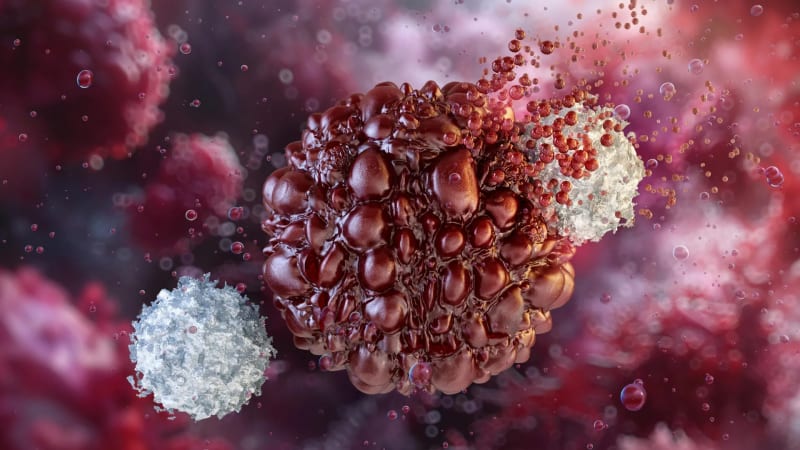
Researchers have solved a major puzzle in cancer treatment by learning how to grow helper T cells from stem cells for the first time. The breakthrough could make powerful cancer therapies cheaper and available to millions more patients.
For the first time ever, scientists can grow the immune cells that orchestrate the body's fight against cancer, bringing affordable cell therapies within reach for millions.
Researchers at the University of British Columbia cracked a problem that has stumped scientists for years. They figured out how to reliably produce helper T cells from stem cells in the lab.
Helper T cells act like conductors of an orchestra. They spot threats, activate other immune cells, and keep the immune system fighting for as long as it takes to win.
Cancer cell therapies have already saved lives by turning a patient's own cells into living medicines. But these treatments cost hundreds of thousands of dollars and take weeks to prepare for each person.
The missing piece has been helper T cells. Scientists could make killer T cells, which directly attack cancer, but not the helpers that coordinate the entire immune response.
Dr. Megan Levings, a professor of surgery and biomedical engineering at UBC, explained the stakes. "Helper T cells are essential for a strong and lasting immune response. It's critical that we have both to maximize the efficacy and flexibility of off-the-shelf therapies."
The team discovered the secret lies in precise timing. A developmental signal called Notch helps stem cells become immune cells, but only when controlled carefully.
Too much Notch for too long blocks helper T cells from forming. By dialing down the signal at exactly the right moment, the researchers could choose whether stem cells became helpers or killers.
The lab-grown helper T cells passed every test. They looked right, acted right, and developed into specialized subtypes just like natural immune cells.
The Ripple Effect
This discovery changes the entire landscape of cancer treatment. Instead of custom-making therapies one patient at a time, manufacturers could produce batches of ready-made treatments from renewable stem cells.
The cost could drop dramatically. The wait time could shrink from weeks to days or even hours.
Beyond cancer, these cells could treat infectious diseases and autoimmune disorders. The research team published their findings in Cell Stem Cell on January 7.
Dr. Peter Zandstra, director of the UBC School of Biomedical Engineering, sees the bigger picture. "This technology now forms the foundation for testing the role of helper T cells in supporting the elimination of cancer cells and generating new types of helper T cell-derived cells for clinical applications."
The breakthrough means lifesaving treatments once reserved for the wealthy few could soon reach anyone who needs them.
Based on reporting by Science Daily
This story was written by BrightWire based on verified news reports.
Spread the positivity!
Share this good news with someone who needs it