Scientists Hit 33% Solar Efficiency in Ambient Air
Chinese researchers just cracked a major barrier in solar technology, creating cells that work better and cost less to make. The breakthrough could finally make ultra-efficient solar panels affordable for everyone.
Solar panels are about to get a whole lot better, and it happened in a regular lab without any fancy equipment.
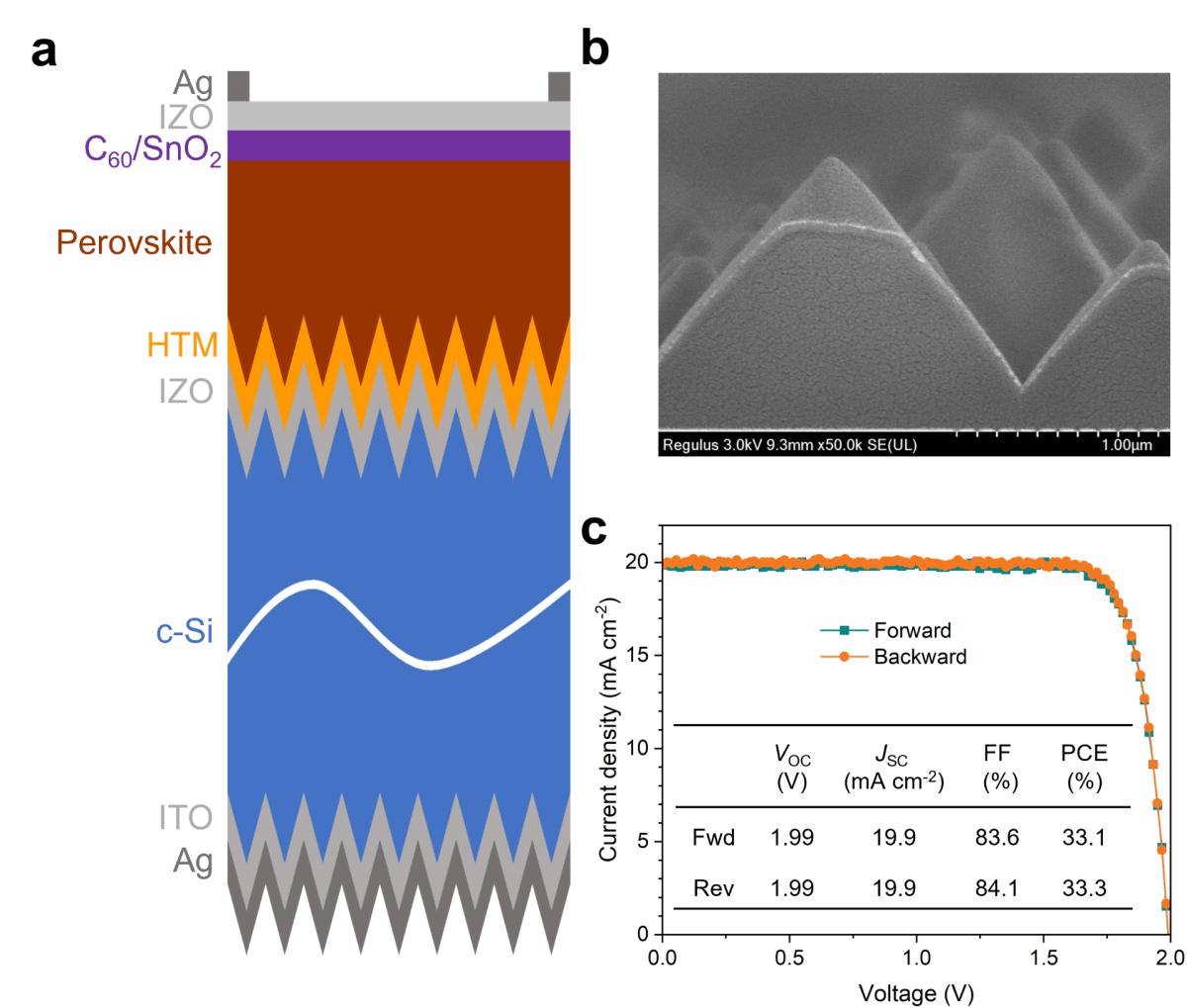
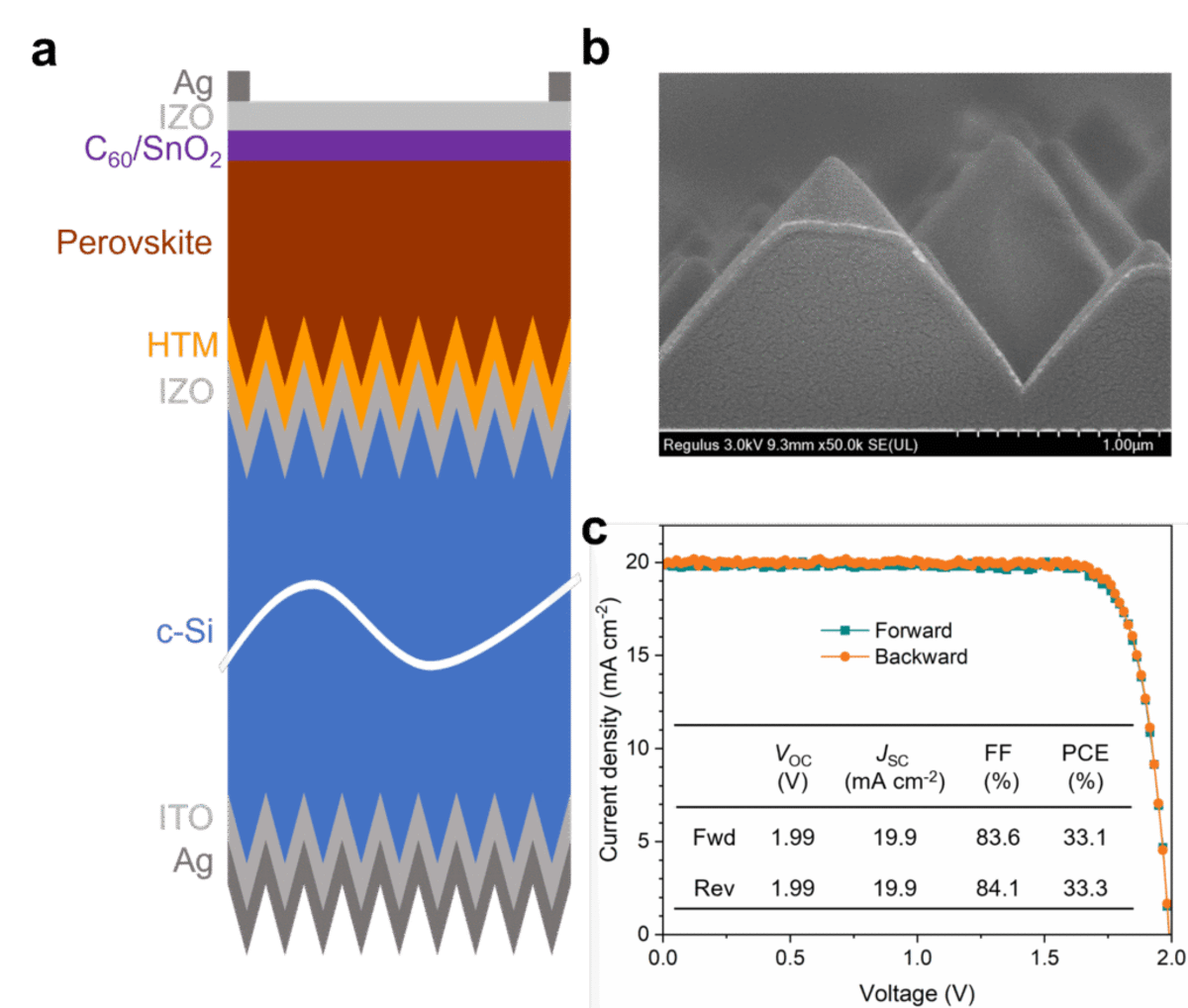
Scientists at Nanjing University in China have built solar cells that convert 33.3% of sunlight into electricity. That's approaching the theoretical limit for this technology, and they did it under normal air conditions instead of expensive sterile environments.
Here's why that matters. Traditional high-efficiency solar cells need to be manufactured in special chambers filled with inert gases, which drives up costs dramatically. This new approach works in ambient air, the same stuff we breathe, making it potentially scalable for mass production.
The breakthrough centers on a new polymer called PNCC that acts as a foundation layer for the solar cell. Previous materials faced a frustrating trade-off: some transported electricity well but couldn't hold a uniform coating, while others bonded strongly but left gaps and voids. PNCC does both jobs at once.
The research team tested their innovation in two ways. Single-layer solar cells reached 26.6% efficiency and kept 99.8% of their performance after 1,200 hours of light exposure in regular air at 40°C. An independent lab certified the results at 26.5%, confirming this wasn't a lab fluke.
Then they stacked their new cells on top of silicon cells to create tandem devices. These hit 33.3% efficiency, with an average of 32% across 18 different devices. That consistency matters because it shows the technology works reliably, not just once in a lucky experiment.
The stability tests reveal something even more exciting. After nearly 1,200 hours of continuous sunlight exposure at 85°C, the cells still worked at 92.8% of their original efficiency. Solar panels typically need to last 25 years outdoors, and these early results suggest the new design can handle real-world conditions.
The Ripple Effect
This breakthrough arrives at a critical moment for renewable energy. Solar installation costs have dropped dramatically over the past decade, but efficiency gains have slowed. Every percentage point of improvement means more power from the same rooftop or solar farm.
Manufacturing in ambient conditions could slash production costs while maintaining premium performance. That combination opens doors for solar power in developing regions where expensive manufacturing infrastructure doesn't exist.
The research team used blade coating, a technique similar to screen printing, to apply their materials. It's far simpler than current methods and works on the textured silicon surfaces that manufacturers already use. No retooling required.
Lead researcher Shangshang Chen noted that the polymer solves problems that have plagued the field for years, working for both single and tandem cell designs. The work appears in Nature Sustainability, one of the most respected scientific journals.
The path from lab breakthrough to rooftop reality typically takes years, but this technology builds on existing manufacturing processes rather than replacing them. That could speed adoption significantly, bringing better solar panels to market while the climate clock keeps ticking.
More Images


Based on reporting by PV Magazine
This story was written by BrightWire based on verified news reports.
Spread the positivity!
Share this good news with someone who needs it