Scientists in China Double Tin Battery Power to 89%
A brilliant chemistry tweak has unlocked the full energy potential of tin, doubling the power of grid-scale flow batteries. By raising energy efficiency to 89 percent, researchers in China paved the way for cheaper, long-lasting storage for wind and solar power.
A cleaner, brighter future depends on batteries that can faithfully store wind and sunshine for entire communities without running out of juice. Now, a clever chemistry breakthrough brings that sustainable vision one massive step closer to reality.
Scientists have finally unlocked the full potential of tin, an abundant and inexpensive metal that previously kept half of its energy out of reach. By reimagining the liquid electrolyte inside flow batteries, researchers doubled the metal's usable electrical charge.
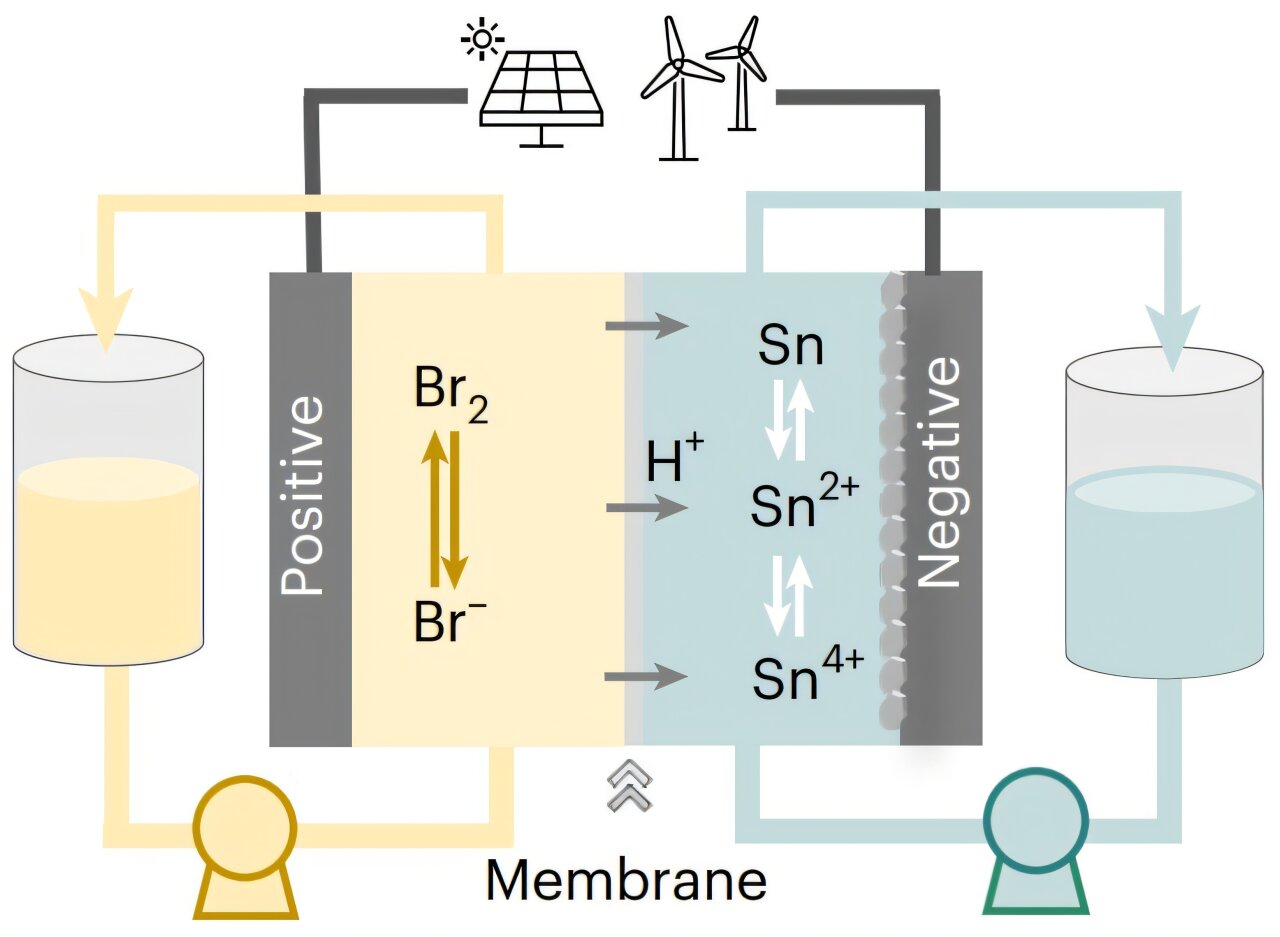
Flow batteries store energy within large tanks of liquid that circulate through power-generating cells, making them ideal for grid storage. Tin atoms can naturally exchange four electrons during every cycle, yet standard acidic systems could only tap into two.
That artificial limit left vast amounts of potential energy sitting completely idle in storage tanks. Researchers discovered that chloride molecules were clinging too tightly to the dissolved tin, creating an energy barrier that slowed the entire reaction down.
To overcome this challenge, a collaborative research team from the Dalian Institute of Chemical Physics and Wuhan University tested a new liquid recipe. They blended iodide ions into the chloride solution, discovering a sweet spot where tin dissolves easily and electrons trade freely.
The chemical upgrade produced instant, dramatic results during demanding laboratory tests. The newly formulated battery returned an astonishing 89 percent of the electrical energy fed into it, far outperforming the 53 percent return from previous versions.
The team quickly took their concept beyond tiny lab beakers to show how it functions on a practical scale. They built a 20-cell prototype delivering 800 watts, running it successfully for more than 1,000 hours and 260 charge cycles.
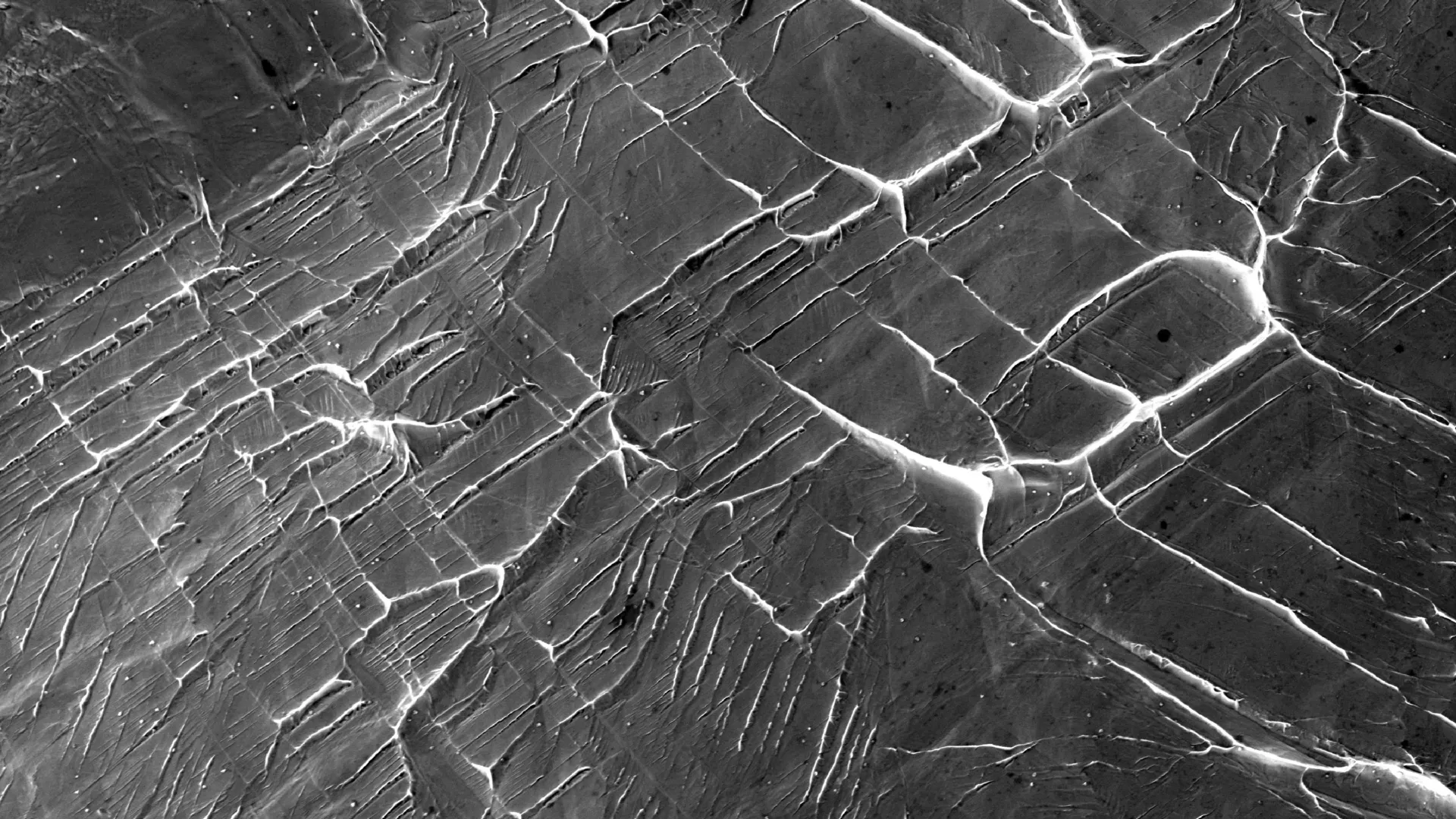
Even better, the tin formed smooth, flat layers during repeated cycles without developing the spiky crystals that often ruin metal batteries. The researchers already plan to refine the membrane design to make these systems last even longer.
The Ripple Effect
Renewable electricity from wind and solar only reaches its full promise when power grids can stockpile excess energy for calm nights. By doubling the capacity of tin flow batteries, this breakthrough allows utility providers to build smaller, more affordable energy reservoirs.
Relying on common elements like tin and iodine also relieves pressure on scarce, expensive minerals. Communities around the world can look forward to cleaner air, sturdier power grids, and truly sustainable energy independence.
Every brilliant leap like this brings us one day closer to an earth powered entirely by clean, dependable energy.
More Images



Based on reporting by Phys.org - Technology
This story was written by BrightWire based on verified news reports.
Building Something New? Try the BrightWire Tech Stack Advisor
Compare modern frameworks, cloud hosting, and AI tools tailored to your project budget and scale.
Spread the positivity!
Share this good news with someone who needs it