Scientists Keep Human Uterus Alive Outside Body for 24 Hours
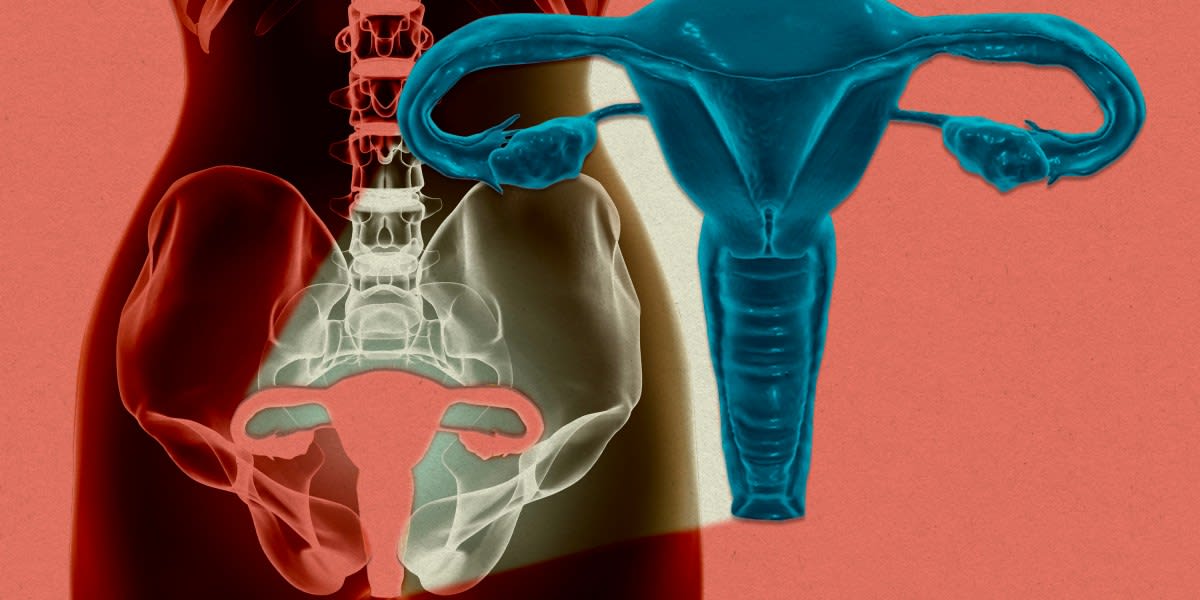
A Spanish research team successfully kept a donated human uterus alive outside the body for an entire day using a breakthrough machine they nicknamed "Mother." This achievement could transform fertility treatments and uterus transplants while helping scientists understand the earliest moments of pregnancy.
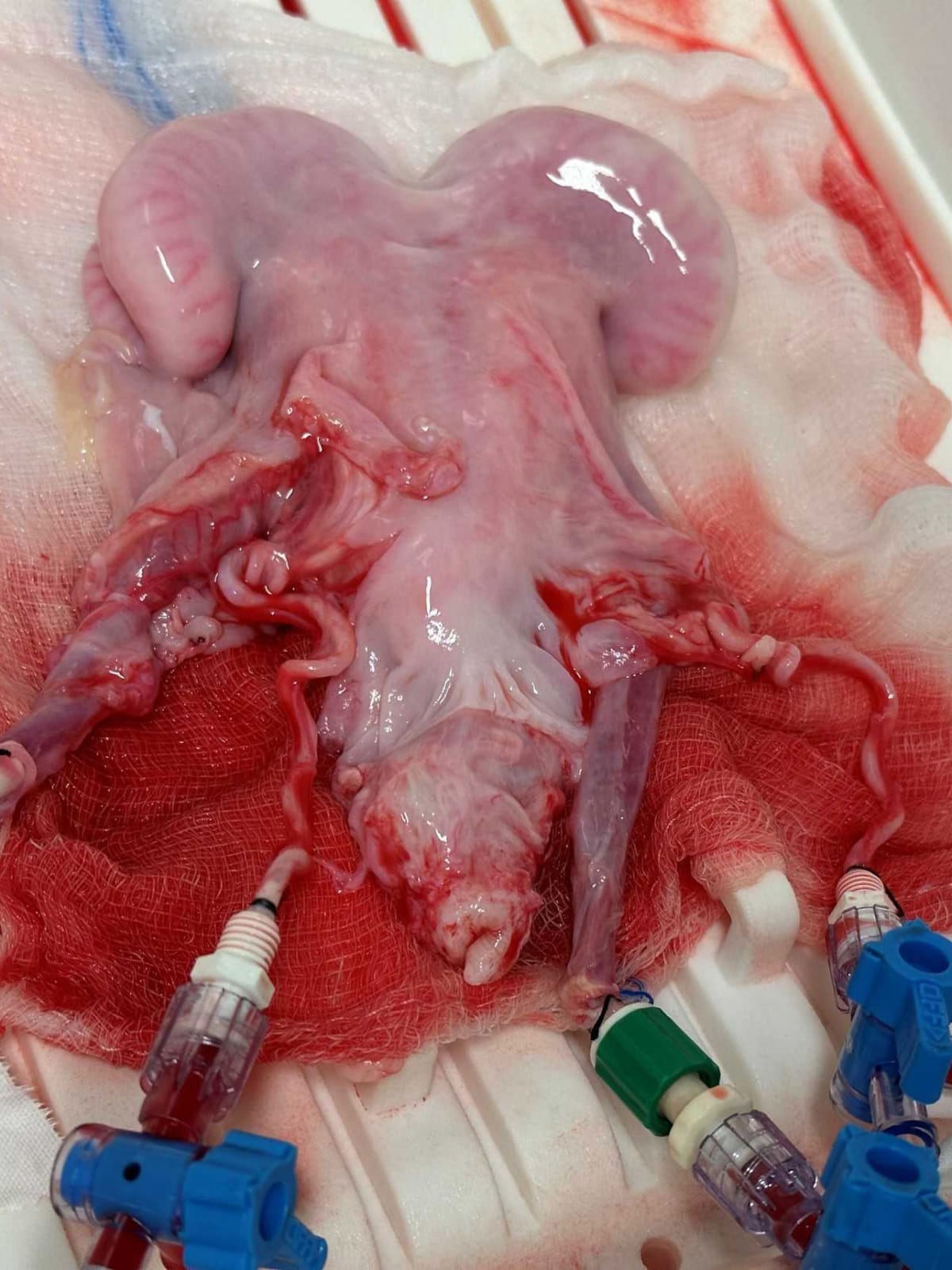
Scientists in Valencia, Spain have achieved something once thought impossible: keeping a human uterus alive and functioning outside the body for 24 hours.
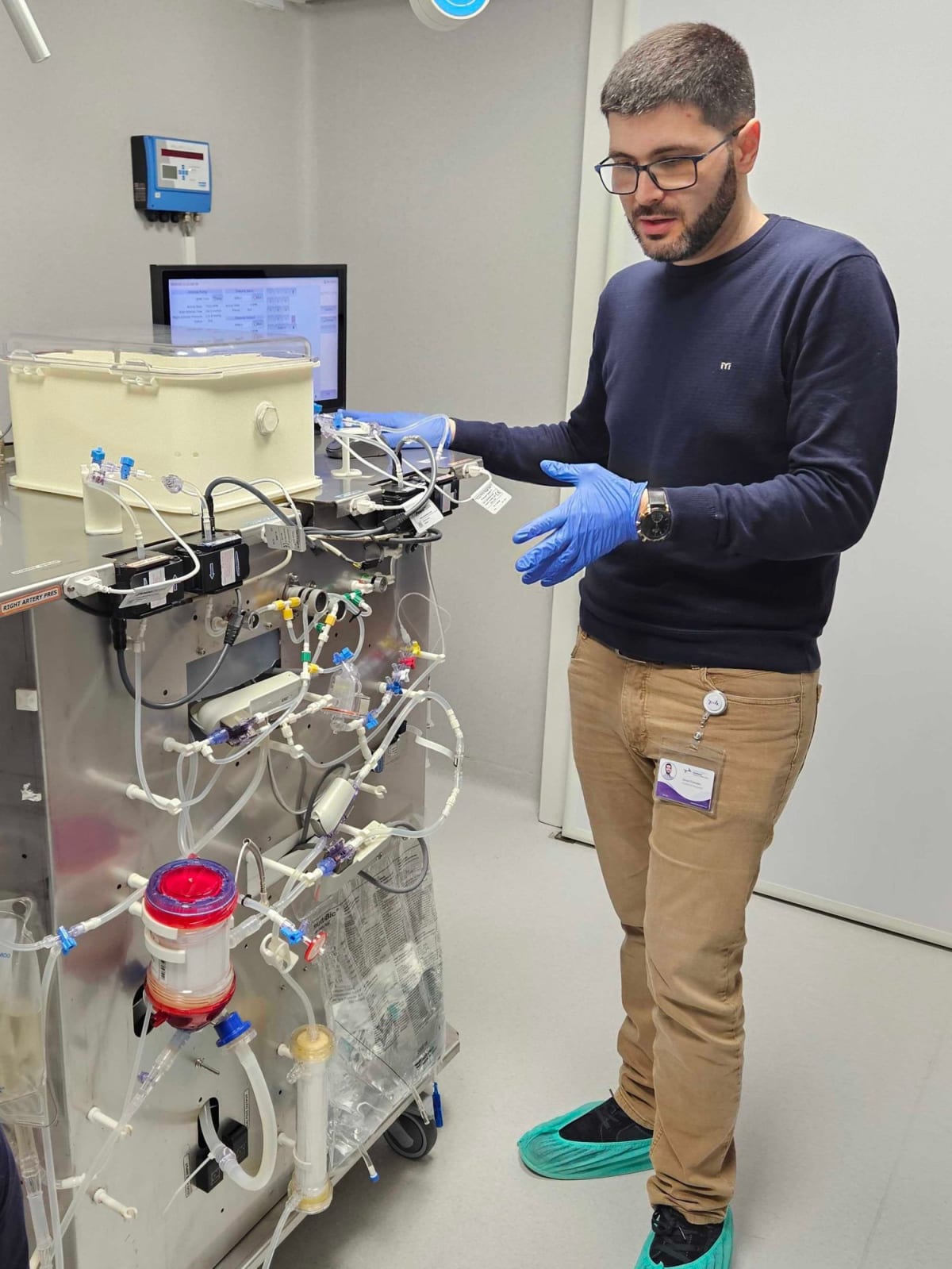
The team at the Carlos Simon Foundation used a specialized machine called PUPER (Preservation of the Uterus in Perfusion) to maintain the donated organ. The device works like a portable human body, using tubes as veins and arteries to pump modified blood through the uterus while carefully regulating temperature, oxygen, and nutrients.
Biomedical scientist Javier González and his colleagues received their first donated human uterus in May of last year. They had just a few hours to connect the organ's delicate blood vessels to the machine's tubing and start the perfusion process.
The team had previously kept sheep uteruses alive for a day during testing. This new achievement with a human organ marks the first time anyone has maintained a human uterus outside the body for this long.
The researchers call their device "Mother," and they're not stopping at 24 hours. Their next goal is to keep a donated uterus alive long enough to observe a complete menstrual cycle, which could unlock mysteries about how embryos implant in the uterine lining.
This breakthrough could revolutionize fertility treatments, particularly IVF. Many IVF cycles fail because embryos don't successfully implant, and scientists have struggled to understand why. Having a living uterus to study could finally provide those answers.
The technology also opens new possibilities for uterus transplants, a relatively new procedure that helps people who want to become pregnant but don't have a functional uterus. Currently, donated organs must be transplanted within hours of removal, often requiring rushed middle-of-the-night surgeries. With more time available, doctors could find better donor matches and test organ quality before transplantation.
The machine builds on recent advances in organ preservation technology already being used for liver, kidney, and heart transplants. These perfusion devices have given transplant teams precious extra hours to work with donated organs.
The Ripple Effect
This research reaches far beyond the laboratory. Understanding implantation could help millions of people struggling with infertility finally achieve successful pregnancies. Better uterus transplant options could give hope to those born without a uterus or who lost theirs to disease.
The team's work might even support future research into sustaining fetal development outside the body, though that remains a distant goal. For now, they're focused on using their device to answer fundamental questions about reproduction that have puzzled scientists for decades.
Every hour they extend the life of an organ outside the body brings us closer to solving some of medicine's most challenging puzzles while giving hope to families dreaming of children.
More Images
Based on reporting by MIT Technology Review
This story was written by BrightWire based on verified news reports.
Spread the positivity!
Share this good news with someone who needs it