Scientist's Cancer Discovery Began with a 3-Year Failure
When a microRNA experiment failed after three years, researcher Robert Blelloch didn't give up. His pivot led to discovering how tumors secretly shut down the immune system.
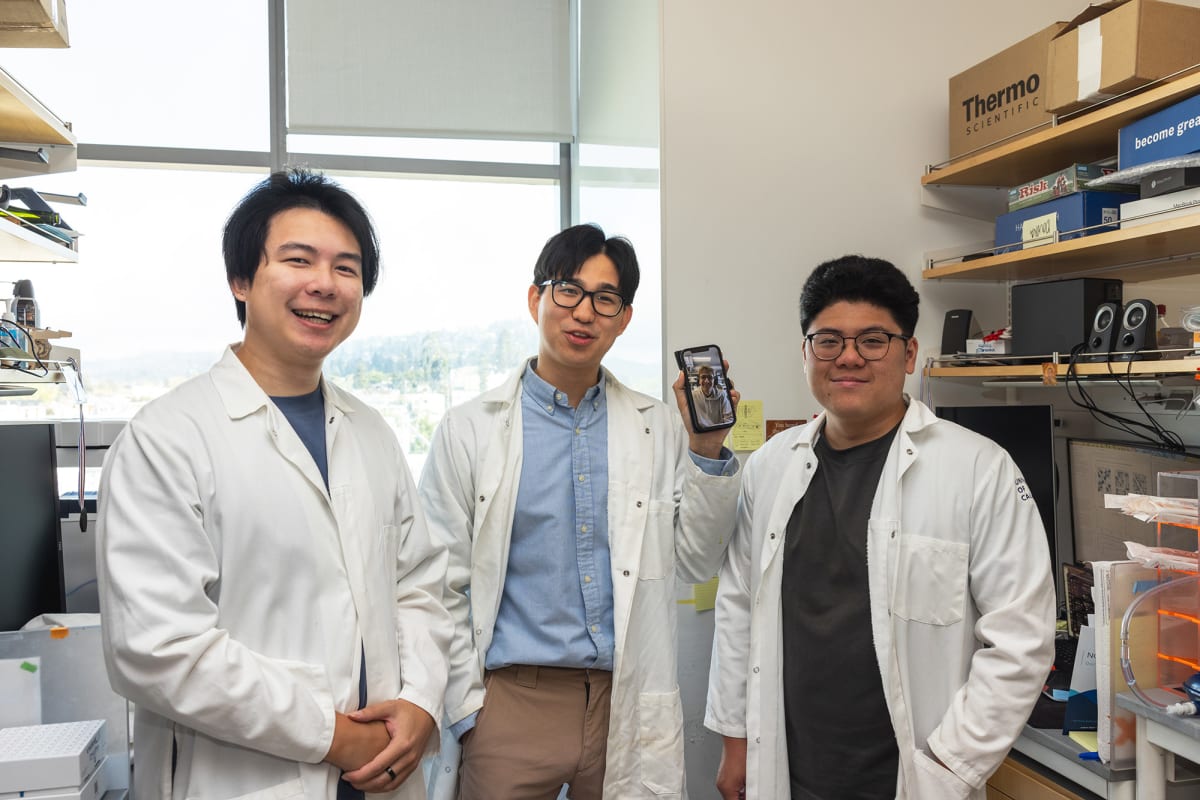
A failed experiment that crushed a graduate student's hopes just became the starting point for a major cancer breakthrough. After three years of dead ends, scientist Robert Blelloch and his team at the University of California, San Francisco made a discovery that could change how we fight cancer.
Blelloch started his career studying tiny molecules called microRNAs in embryonic stem cells. His team proved these molecules help cells divide and even transform ordinary cells into stem cells. The work established him as a leader in the field.
But Blelloch wanted to push further. He wondered if microRNAs in blood could help doctors diagnose prostate cancer earlier and predict which patients needed aggressive treatment. His team developed a super-sensitive detection method and found specific microRNAs that improved cancer risk predictions when added to existing diagnostic tools.
That success sparked a new question. How were these microRNAs traveling through the bloodstream? The team suspected tiny packages called exosomes were carrying them from cell to cell.
Then came the failure. For three years, a graduate student searched for evidence that exosomes transported microRNAs around the body. They found almost nothing.
Most scientists would have abandoned the project. Blelloch looked at it differently. If exosomes weren't carrying microRNAs, what were they doing?
The team shifted focus to proteins coating the exosome surface. They zeroed in on PD-L1, a protein that helps tumors hide from the immune system. Using powerful gene-editing tools like CRISPR that didn't exist when Blelloch started, they made a stunning discovery.
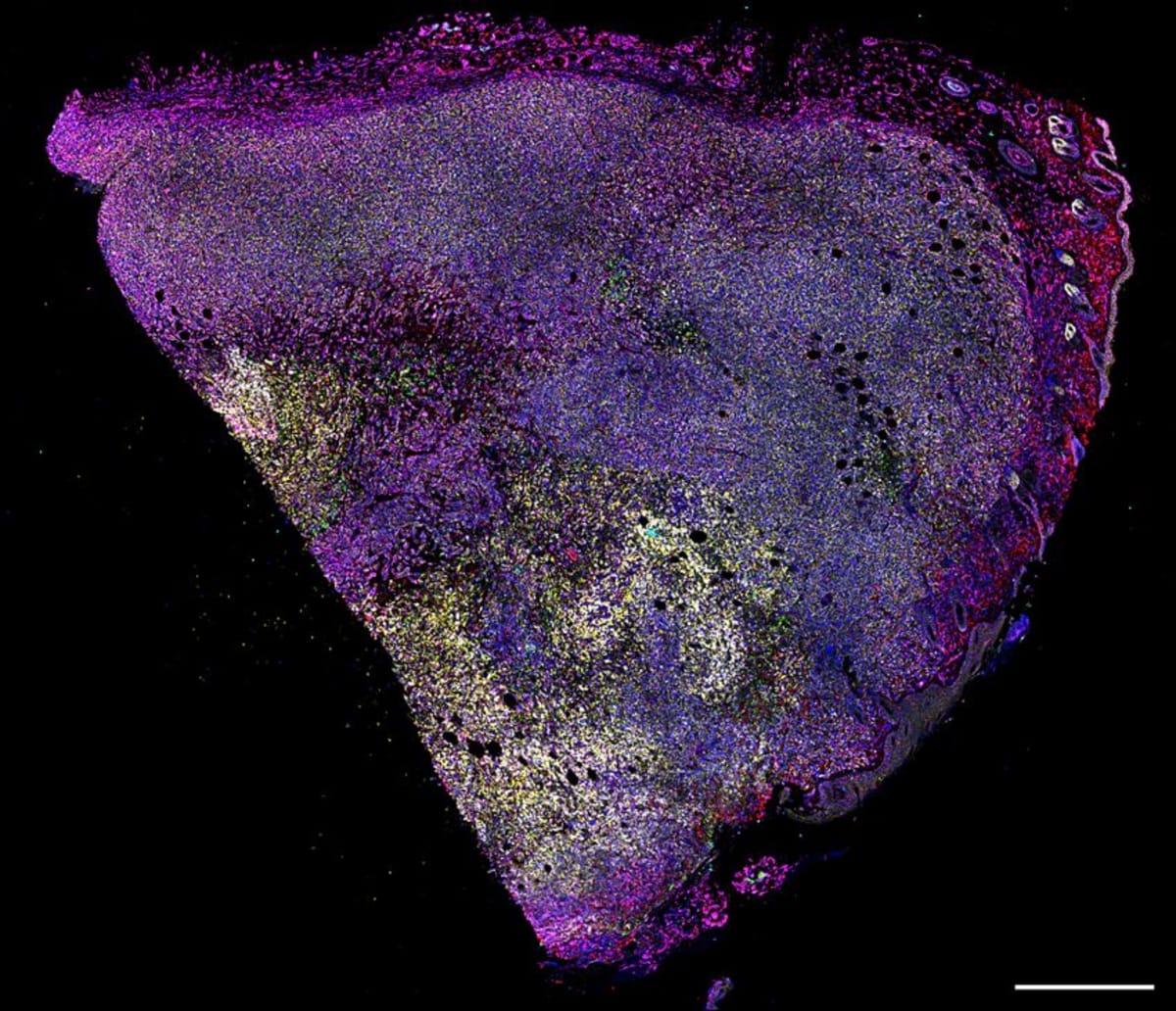
Tumors pack PD-L1 into exosomes and shoot them across the body to lymph nodes. There, these molecular packages shut down T cells before they can attack the cancer. It's like the tumor is sending scouts ahead to disable the body's defenses.
The team recently identified another protein, PVRL2, working alongside PD-L1 in this immune suppression system. Each discovery opens new possibilities for stopping cancer's escape tactics.
Why This Inspires
Blelloch's journey shows that scientific progress rarely follows a straight line. What looked like three wasted years actually redirected his team toward a more important question. His willingness to embrace failure and chase unexpected leads turned a discouraged graduate student's dead end into hope for cancer patients.
The work proves that advancing gene-editing technology doesn't just speed up research. It unlocks entirely new questions scientists couldn't have asked a decade ago.
Sometimes the breakthrough is hiding inside the setback.
More Images


Based on reporting by Google: scientific discovery
This story was written by BrightWire based on verified news reports.
Spread the positivity!
Share this good news with someone who needs it