Scientists Keep Pig Kidneys Alive for Days Outside the Body
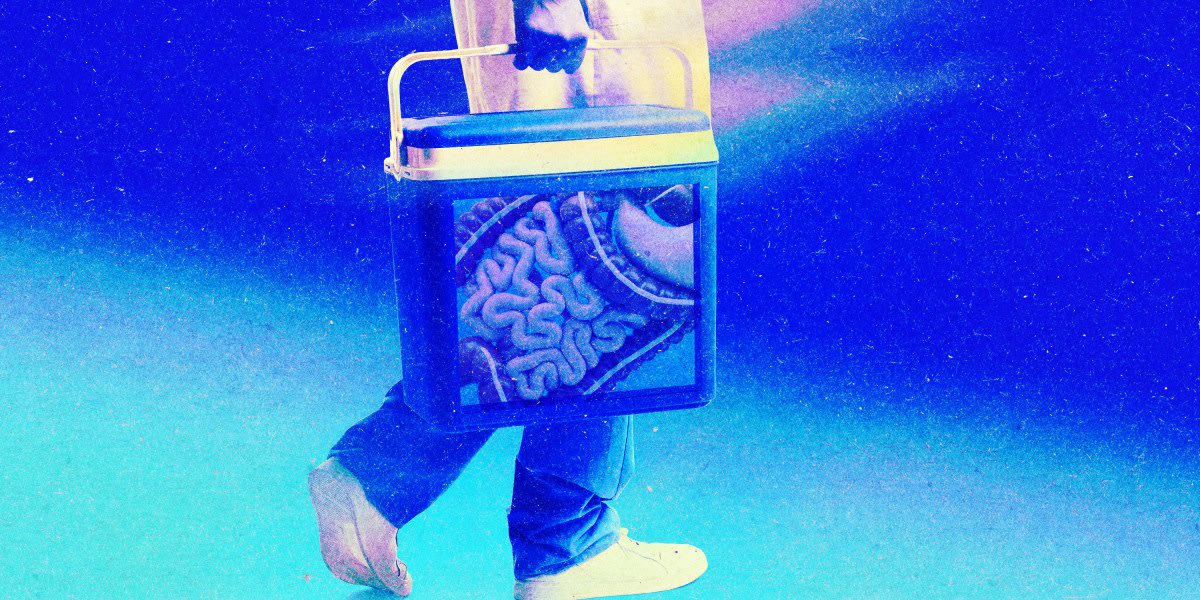
Researchers have successfully preserved pig kidneys for days at supercool temperatures and transplanted them back into living pigs. This breakthrough could help solve the critical shortage of donor organs by buying precious time for testing and matching.
Imagine if doctors could store donor organs for days instead of hours, giving them time to find the perfect match and save more lives. Scientists just took a giant leap toward making that dream real.
A team led by Matthew Powell Palm at Texas A&M has successfully preserved pig kidneys at minus 4 degrees Celsius (25 degrees Fahrenheit) for multiple days. The kidneys not only survived the supercooling process but worked when transplanted back into pigs, performing better than organs stored on ice.
This matters because time is the enemy in organ donation. Today, kidneys survive only hours outside the body, even when packed in ice. That narrow window means fewer successful transplants and thousands of lives lost.
The challenge has always been ice crystals. When ice forms inside organs, it creates damage that makes them unusable for transplantation. For decades, this has stopped researchers from preserving organs the way we now routinely preserve eggs, sperm, and embryos.
Powell Palm's approach doesn't require cryoprotective chemicals, unlike other preservation methods. His team managed to keep the organs in a supercooled state without ice formation, described by experts as "a landmark achievement."
Other researchers are exploring different paths to the same goal. Some teams are testing chemical cocktails that could allow even longer storage at lower temperatures. Others are perfecting machines that keep organs "alive" by perfusing them with nutrients, mimicking what happens inside the body.
These perfusion devices have already extended liver and kidney lifespans to about 24 hours. Scientists are now adapting the technology for more organs, including a recent breakthrough with eyeballs that might enable whole-eye transplants. In Valencia, researchers even kept a human uterus alive for a full day using a device they nicknamed "Mother."
THE RIPPLE EFFECT
The ability to preserve organs longer would transform transplantation worldwide. Doctors could run compatibility tests, transport organs across continents, and create organ banks where supplies wait for the patients who need them most. More time means more lives saved and fewer families losing loved ones while waiting for donors.
Every minute gained in organ preservation opens doors that could help the 100,000 Americans currently waiting for transplants.
Based on reporting by MIT Technology Review
This story was written by BrightWire based on verified news reports.
Spread the positivity!
Share this good news with someone who needs it