Scientists Link Two Brain Diseases to Same Genetic Root
Two researchers independently discovered that ALS and frontotemporal dementia can share the same genetic cause, transforming how doctors treat these devastating conditions. Their breakthrough won them a 2026 Breakthrough Prize in Life Sciences.
Two neurogeneticists spent years hunting for answers in families struck by devastating brain diseases, never knowing they'd unlock a discovery that would change medicine forever.
Bryan Traynor studies ALS, a disease that steals people's ability to move and speak as nerve cells die. Rosa Rademakers focuses on frontotemporal dementia, which transforms personalities and language as brain regions controlling decision-making fade away. On the surface, these conditions look completely different.
But both researchers noticed something puzzling. Some families had members with ALS, others with dementia, and some with both diseases. Could the same gene be responsible?
For four years, they scoured the genomes of affected families, searching chromosome 9 for clues. Traditional methods found nothing because they were looking for a single letter change in the genetic code. Then Rademakers' team pivoted to hunt for something unusual: repeat expansions, where snippets of DNA copy themselves over and over.
They developed a new method to detect these repeats. Healthy people have a six-letter sequence (GGGGCC) repeated just three times in a gene called C9ORF72. But patients had hundreds, even thousands of copies stacked together.
The moment of discovery came through a phone call. "I called Bryan to say, 'Hey, I think we found it,'" Rademakers recalls. "And then he's like, 'Yeah, I think we found it as well!'" Working independently, both teams had cracked the same puzzle.
Their 2011 discovery revealed that ALS and frontotemporal dementia aren't separate conditions but part of the same disease spectrum. The same protein, TDP-43, builds up in different parts of the body. In ALS it affects the spinal cord. In dementia it strikes the brain.
Why This Inspires
This breakthrough did more than solve a genetic mystery. It fundamentally changed how doctors understand and treat these conditions, opening doors to therapies that could help both diseases at once.
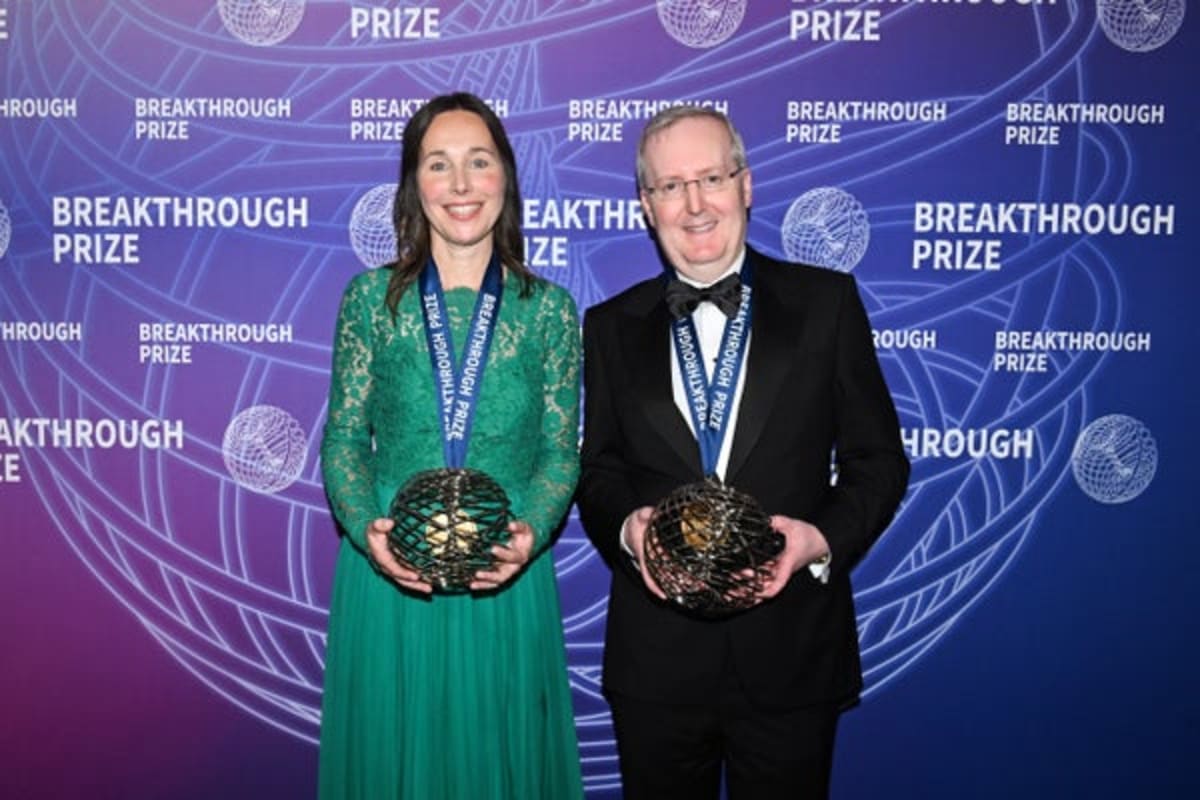
Last weekend in Los Angeles, Traynor and Rademakers received a portion of the 2026 Breakthrough Prize in Life Sciences for their discovery. But the real prize is what their work means for families facing these diagnoses.
Knowing the genetic root helps doctors identify at-risk family members earlier and gives researchers a clear target for developing treatments. What once seemed like two unrelated tragedies now has a unified path forward.
Sometimes the most powerful discoveries come from scientists who dare to question whether diseases that look different might actually be connected at their core.
More Images

Based on reporting by Scientific American
This story was written by BrightWire based on verified news reports.
Spread the positivity!
Share this good news with someone who needs it