Cutting Alcohol Could Lower Your Dementia Risk
New research shows that even moderate drinking may harm brain health and increase dementia risk. The good news? It's a risk factor you can actually control.
Find uplifting stories about heroes, innovations, and solutions
104 results for "dementia"

New research shows that even moderate drinking may harm brain health and increase dementia risk. The good news? It's a risk factor you can actually control.

You don't need to spend hours at the gym to dramatically lower your risk of chronic disease. A new study of nearly 500,000 people shows that short bursts of intense exercise slash risks of diabetes, dementia, and heart disease by up to 63 percent.

Scientists discovered that combining natural molecules from grapes and turmeric with existing drugs treats Alzheimer's more safely and effectively. This breakthrough could help nearly a million Canadians expected to have dementia by 2030.

New research from Japan reveals that cooking just one meal from scratch each week could reduce dementia risk by up to 67%. The mental workout of planning, preparing, and creating meals keeps your brain sharp in ways scientists are just beginning to understand.

A major study of 93,000 adults reveals that eating whole plant foods can lower dementia risk by 12%, and it's never too late to start. Even people who switched to healthier diets after 60 saw real benefits.
Scientists discovered that combining natural compounds found in grapes and berries with existing Alzheimer's drugs could make treatments safer and more effective. The breakthrough could help nearly a million Canadians expected to face dementia by 2030.

Scientists are discovering that getting your hands dirty in the garden isn't just good for growing vegetables. It might be one of the best things you can do for your aging brain.

A major study found that older adults who received high-dose flu vaccines showed a 55% lower risk of developing Alzheimer's disease over two years. The finding offers new hope for millions facing dementia while doing something many already do each fall.

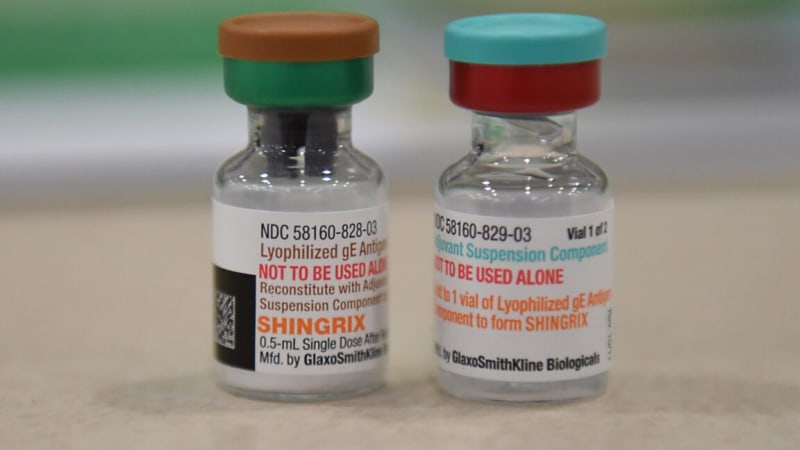
New research reveals the shingles vaccine does more than prevent painful rashes. Scientists found it may protect against dementia and slow biological aging at the molecular level.

Researchers discovered how two key brain proteins might work together to trigger Alzheimer's disease, potentially explaining decades of conflicting research. This breakthrough could redirect treatment efforts toward protecting brain cells rather than just clearing protein buildup.

New research reveals nearly half of dementia patients showed signs through 29 common medical conditions years before diagnosis. The discovery could help doctors catch warning signs much earlier.

A new AI-powered smart glasses system just won £1 million for helping people with dementia remember daily tasks and stay independent longer. Early tests show users could name 82% of household items with the glasses, and the benefit lasted even after taking them off.

A study of 96,000 people found that brief bursts of breathless activity each day could slash your risk of heart disease, dementia, and diabetes by up to 63%. The best part? You don't need a gym membership to get the benefits.
New research reveals that hospital-treated infections like urinary tract infections may increase dementia risk by 19%, offering hope that prevention could delay cognitive decline. The good news? Simple steps like staying current on vaccinations might help protect brain health.
A new study reveals that staying mentally active throughout life could slash your risk of Alzheimer's disease by 38%. The research shows it's never too early or late to start building a more resilient brain.

A London team just won £1 million for creating smart glasses with an AI companion that helps people with dementia stay independent at home. The technology recognizes objects in real time and gently guides users through everyday tasks like making tea.

After her dad was diagnosed with early onset dementia as a teenager, Wambūi Karanja transformed her family's heartbreak into a mission to help other caregivers in Kenya. Her groundbreaking work just earned her the Alzheimer's Association's "One to Watch" award.

Scientists used artificial intelligence to create tiny antibody fragments that can function inside human cells, targeting proteins that cause Alzheimer's, Parkinson's, and other brain diseases. This breakthrough overcomes a major limitation in medicine development and could lead to new treatments for conditions affecting over one million people in the UK alone.

Swedish researchers found that older adults with Alzheimer's gene variants who ate more unprocessed meat showed significantly slower cognitive decline over 15 years. The discovery offers new hope for protecting brain health in genetically at-risk populations.
%2Ffile%2Fdailymaverick%2Fwp-content%2Fuploads%2F2025%2F06%2Fpic-5-2.jpg)
Financial adviser Kenny Meiring offers families a roadmap for managing a loved one's finances when dementia arrives. His practical advice helps families balance dignity, care costs, and complex property decisions.
Showing 20 of 104