Scientists Map 1,000 Hidden Brain Proteins
Researchers discovered over 1,000 previously unknown tiny proteins in the human brain that could unlock new ways to understand and treat Alzheimer's disease. This breakthrough atlas shows how these "microproteins" behave differently in healthy versus diseased brains.
Scientists just revealed an entire hidden layer of the brain's protein universe, and it could change how we fight Alzheimer's disease.
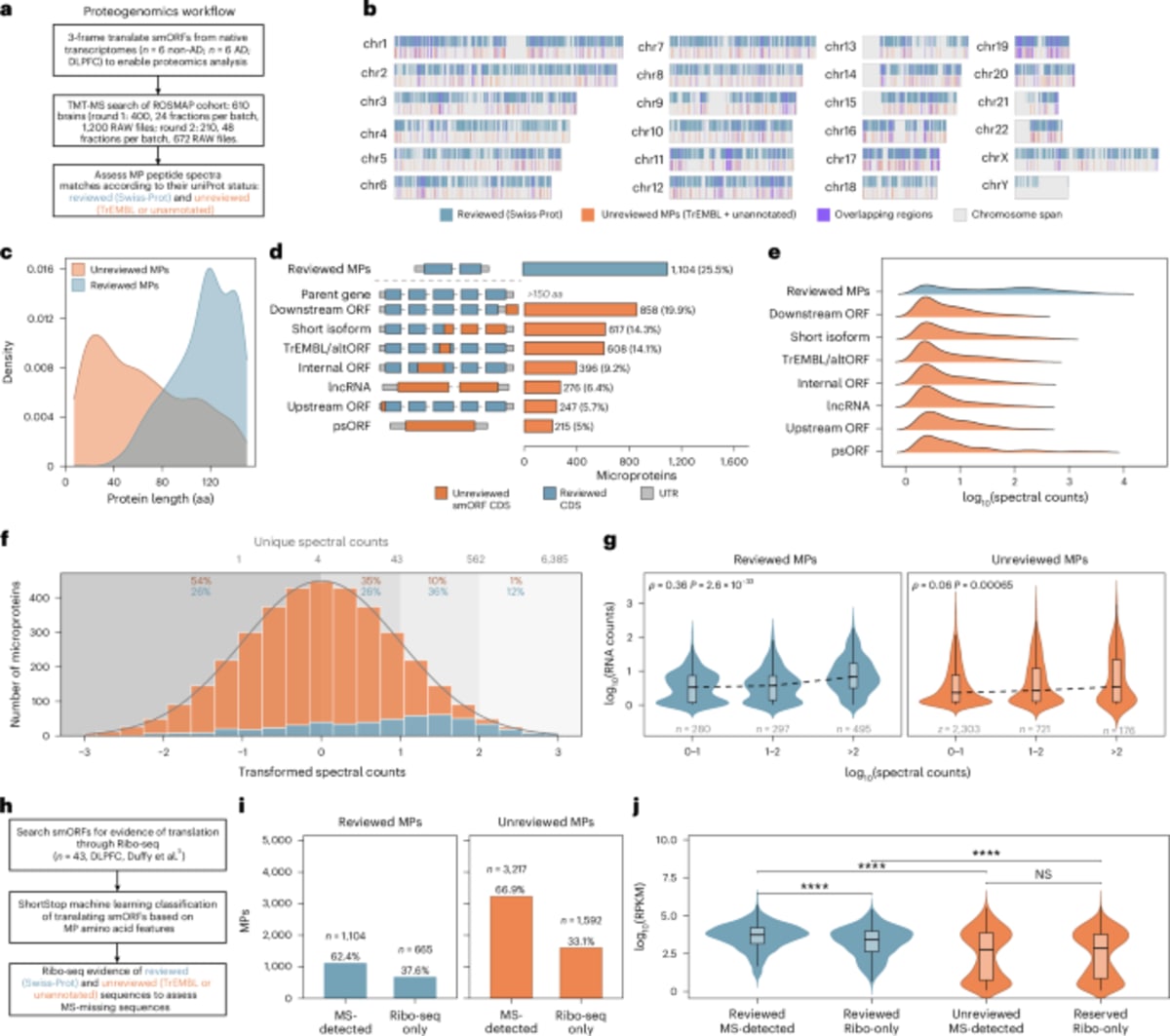
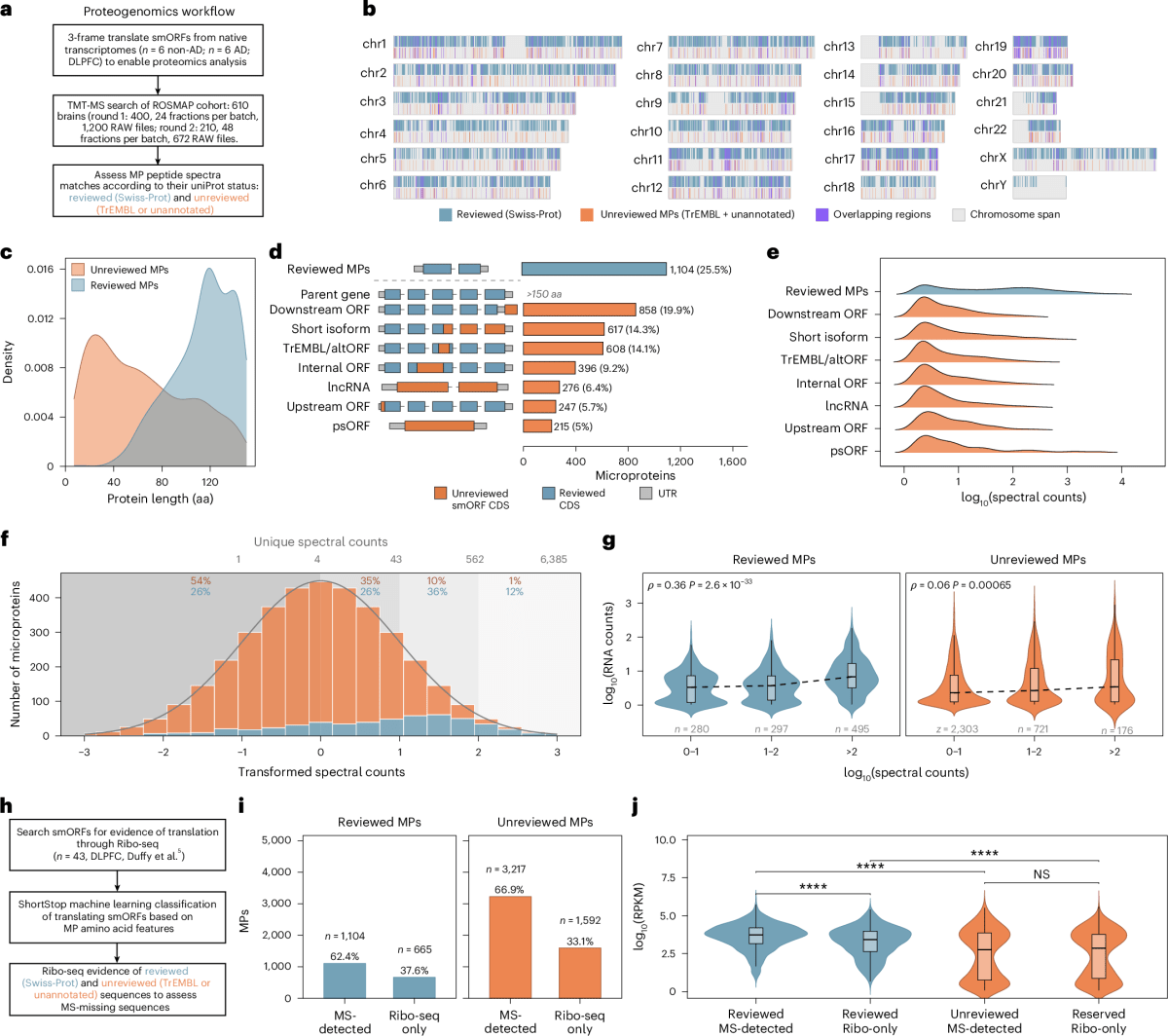
Researchers at Nature analyzed over 600 postmortem brain tissue samples and discovered 1,067 microproteins that weren't in any official medical database. These tiny proteins, each containing 150 amino acids or fewer, have been hiding in plain sight because their small size made them nearly impossible to detect with traditional tools.
Think of microproteins as the brain's secret messengers. They're so small that conventional testing methods kept missing them, like trying to spot fireflies with a telescope designed for planets.
The team combined advanced brain scanning techniques with artificial intelligence to finally catch these elusive proteins in action. What they found was remarkable: some of these microproteins behave completely differently in brains with Alzheimer's disease compared to healthy brains.
One standout discovery involves a 63-amino-acid microprotein produced by a gene called MKKS. This tiny protein drops to much lower levels in people with Alzheimer's, and when researchers removed it from brain cells in the lab, the cells' energy-producing mitochondria struggled to function properly.
This matters because brain cells need enormous amounts of energy to work correctly. When their power plants fail, cognitive decline can follow.
The Ripple Effect
This brain microprotein atlas gives scientists 1,000 new starting points for research. Each newly identified protein could potentially become a target for future treatments or a way to detect disease earlier.
The research team made their entire database freely available online so scientists worldwide can explore these findings. Any researcher can now look up specific microproteins, see how they change with Alzheimer's, and investigate whether they might play roles in other brain conditions.
The discovery nearly doubles the number of short proteins officially recognized in the human body. It's like scientists just added 1,000 new streets to a city map they thought was complete.
What makes this especially promising is that microproteins are already showing distinct patterns in diseased versus healthy brains. That means they could eventually help doctors diagnose Alzheimer's earlier or track whether treatments are working.
The human brain keeps revealing its secrets, one tiny protein at a time.
More Images
Based on reporting by Google News - Science
This story was written by BrightWire based on verified news reports.
Spread the positivity!
Share this good news with someone who needs it