Scientists Map 62 Quadrillion Miles of Underground Fungi
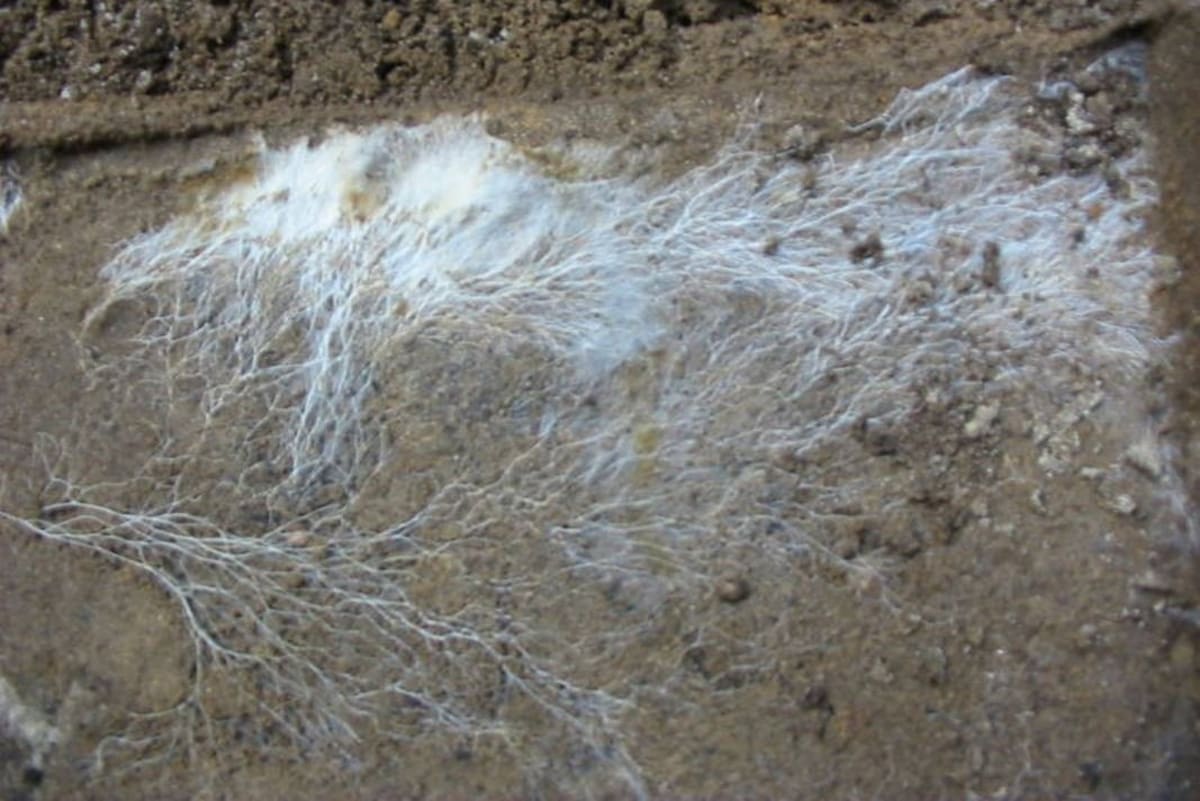
Scientists just mapped an invisible world beneath our feet and discovered fungal networks stretching 62 quadrillion miles in the top six inches of soil alone. This "wood wide web" connects plants and fungi in a partnership that could transform how we protect ecosystems.
Beneath every step you take lies a hidden universe of cooperation that makes life on Earth possible.
Scientists studying underground fungal networks just revealed something extraordinary. The threadlike filaments connecting plants and fungi in just the top six inches of soil stretch 62 quadrillion miles. If spun into a single thread, it would reach from Earth to the Sun and back one billion times.
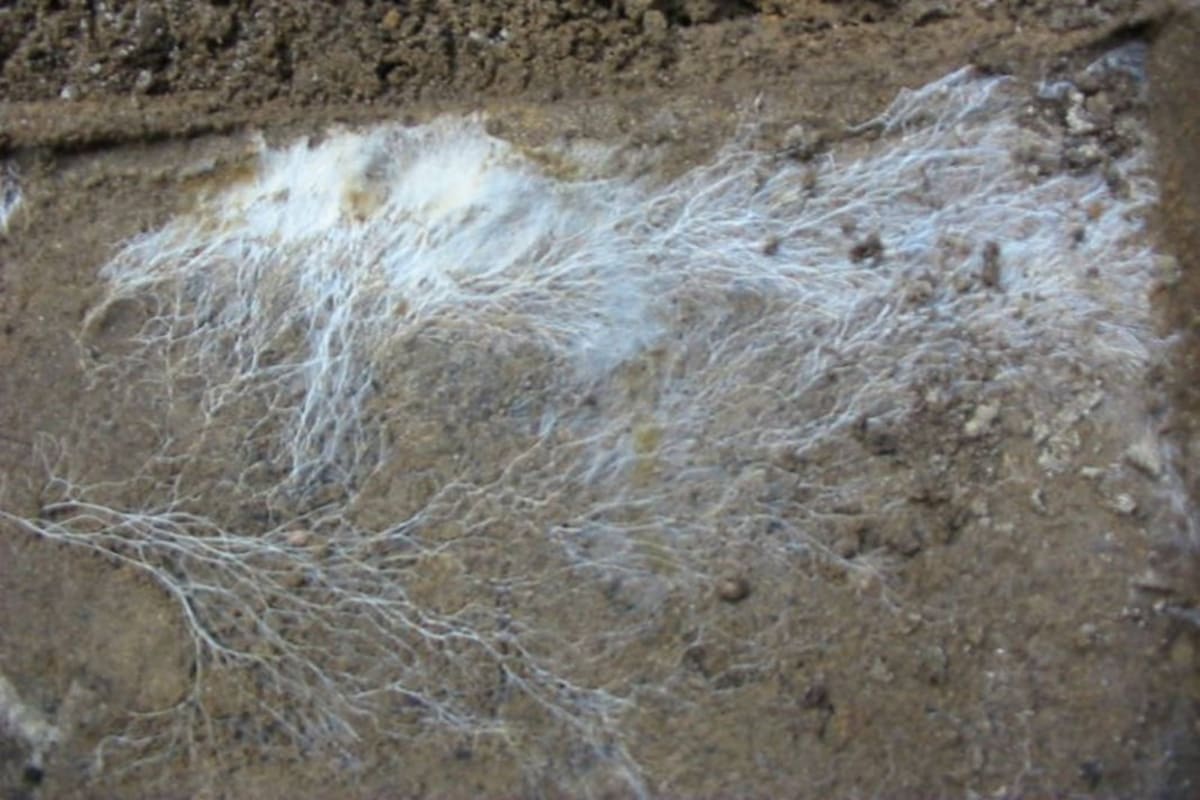
These networks form what researchers call the "wood wide web." It's a biological partnership where plants share sugars they make from sunlight with fungi that can't photosynthesize. In return, fungi provide water and crucial nutrients like phosphorous and nitrogen that their roots can't reach alone.
The team created an interactive map showing where these networks are densest around the world. Surprisingly, grasslands and wetlands show the highest concentrations, not forests. Hotspots include the Tibetan plateau, North American prairies, the Everglades, and African wetlands.
The reason makes perfect sense. Grasses and small plants have shallow roots, so they depend more heavily on fungal partners to reach deeper soil. Trees with their extensive root systems need the network less.
The scientists published their findings as part of a mission to protect these vital ecosystems. They discovered that less than 10% of the densest fungal networks currently sit within protected areas. Of more than 8,000 species participating in these networks, virtually none have been assessed for endangered status.
The map also reveals a troubling pattern. Where human agriculture is most intensive, fungal networks have drastically thinned. These partnerships are essential for maximizing carbon storage in soil, making their protection increasingly urgent.
The Ripple Effect
The Society for the Protection of Underground Networks argues that conservation efforts have a major blind spot. When governments designate protected areas, they focus on visible plants and animals. The invisible fungal networks that make those ecosystems function get overlooked entirely.
This new map gives conservationists a powerful tool. They can now identify where fungal networks need protection and restoration. As countries work toward conserving 30% of land for ecosystem health, this data ensures the foundation of those ecosystems gets included.
The fungi beneath our feet have been quietly supporting life for millions of years, and now they're finally getting the recognition they deserve.
More Images
Based on reporting by Good News Network
This story was written by BrightWire based on verified news reports.
Spread the positivity!
Share this good news with someone who needs it