Scientists Map Brain Protein to Help 20+ Memory Diseases
Researchers created the first complete molecular map of a key brain protein, opening doors to better diagnoses and treatments for over 20 memory-robbing diseases. The breakthrough could transform how doctors detect and treat conditions from Alzheimer's to chronic traumatic encephalopathy.
Scientists at Boston Children's Hospital just cracked a code that could change the future for millions living with memory-robbing brain diseases.
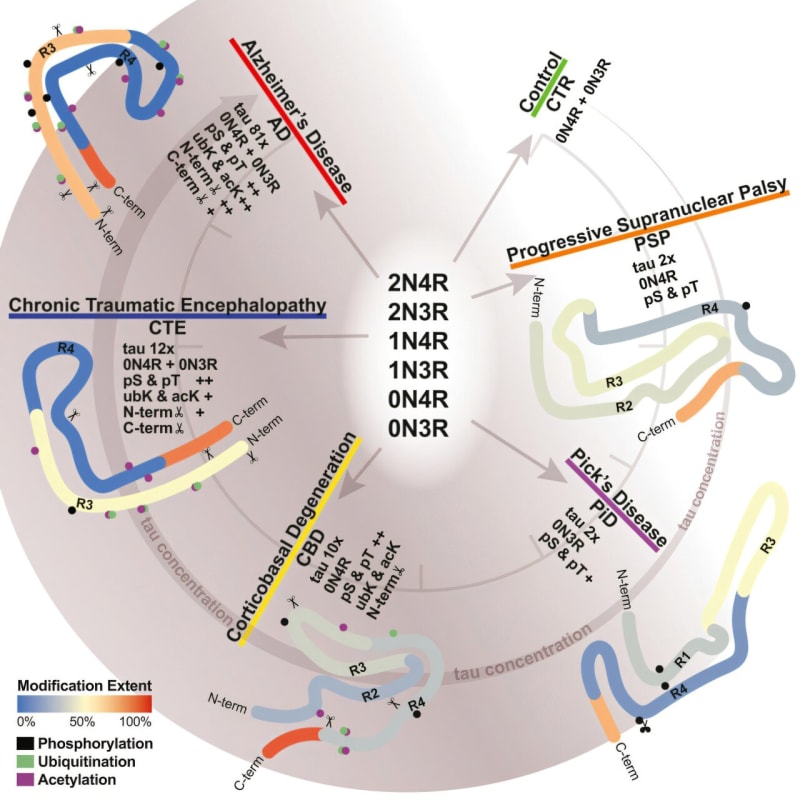
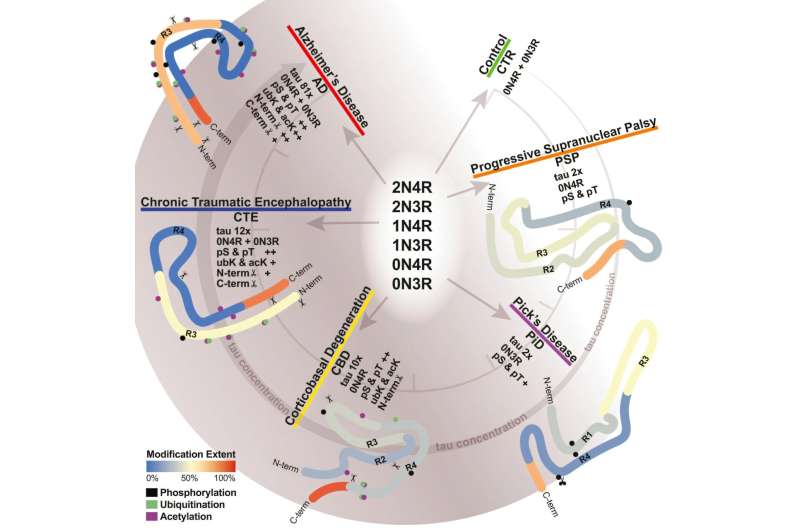
For the first time ever, researchers have created a complete molecular atlas of tau, a protein that goes rogue in over 20 neurodegenerative diseases including Alzheimer's and chronic traumatic encephalopathy (CTE). The study, published in the journal Cell, analyzed brain tissue from 203 patients to reveal exactly how this protein misbehaves differently in each disease.
Think of it like finally getting a detailed roadmap instead of fumbling in the dark. The team used a breakthrough tool called FLEXITau that identified 145 chemical modifications and 195 cutting points across the tau protein. Machine learning then ranked which changes matter most for each specific disease.
"For the first time, we can tell diagnostics and drug developers exactly which modifications to target across tauopathies, where they are on the protein, and how abundant they are in each disease," said Dr. Judith Steen, who led the research team. "Instead of guessing which tau forms matter, we now have a precise molecular roadmap."
The discovery builds on the team's previous Alzheimer's work that identified the p217 modification, now an FDA-approved diagnostic marker. But this new atlas goes much further, covering dozens of brain diseases that share tau protein problems but need different approaches.
Here's why this matters for real people: doctors have been using a one-size-fits-all approach to diagnose and treat these diseases, even though each one involves different chemical signatures. Now they can pinpoint exactly which version of tau they're dealing with and target it specifically.
The research also revealed that different enzymes drive tau problems in different diseases. That means scientists can now develop drugs that target the specific enzymes causing trouble in each condition, rather than taking wild guesses.
The team validated their findings in an independent group of patients, proving the atlas works in the real world. Even better, the FLEXIQuant platform they developed can be adapted to study other disease-causing proteins in conditions like Parkinson's disease and ALS.
The Ripple Effect
This breakthrough ripples far beyond the lab. For families watching loved ones fade from Alzheimer's or other tauopathies, precision diagnostics mean catching disease earlier and matching treatments to specific disease types. Drug developers now have clear targets instead of shooting in the dark, potentially speeding up the creation of effective therapies.
The atlas also solves a critical problem: knowing how much of each molecular target exists helps scientists design proper drug doses and predict how treatments will work. If a modification is rare, it's not worth targeting. This data tells researchers exactly where to focus their energy and funding.
Perhaps most exciting, the same approach can now be applied to other neurological diseases, creating a new standard for how scientists study and treat brain conditions across the board.
Within a few years, this molecular roadmap could help doctors give patients and families something precious: accurate answers and personalized treatment plans for diseases that once seemed impossible to tell apart.
More Images


Based on reporting by Medical Xpress
This story was written by BrightWire based on verified news reports.
Spread the positivity!
Share this good news with someone who needs it