Scientists Map DNA 'Fingerprints' to Protect Cancer Survivors
Researchers at St. Jude Children's Research Hospital discovered how childhood cancer treatments leave traceable patterns in DNA that could help doctors prevent second cancers decades later. This breakthrough opens doors to safer treatments and better monitoring for the 500,000 childhood cancer survivors in America.
Scientists just figured out how to protect childhood cancer survivors from a threat that's haunted them for decades.
Researchers at St. Jude Children's Research Hospital in Memphis discovered that lifesaving cancer treatments leave unique "fingerprints" on DNA. These molecular signatures appear in second cancers that develop 20 to 30 years after the original treatment, finally revealing the direct link between specific therapies and later health risks.
The team analyzed tumor tissue from 160 survivors who developed second cancers like breast cancer, thyroid cancer, and brain tumors. They compared the genetic mutations to similar cancers in people who never had childhood cancer, and the patterns were unmistakable.
"We are the first to show direct causality between childhood cancer treatments and second neoplasms," said Dr. Jinghui Zhang, who co-led the study published in Cancer Discovery. The DNA-mutating effects of treatments from childhood remained imprinted in genomes decades later.
Each treatment type left its own distinctive mark. Radiation therapy caused the largest DNA changes and carried the highest risk for thyroid cancer. Chemotherapy drugs like platinum agents left smaller but equally telling signatures, sometimes preferentially damaging a gene called NF2, which increased the risk of brain tumors called meningiomas.
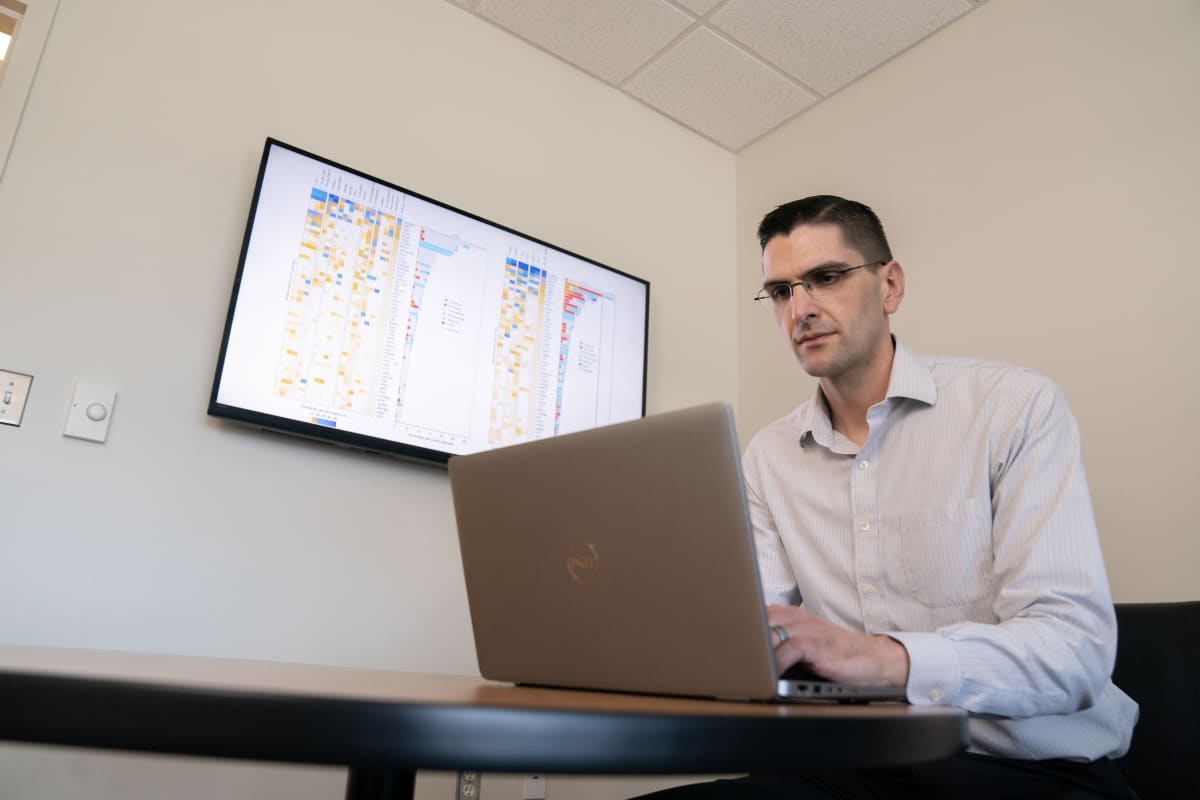
Dr. Samuel Brady, who led the research, emphasized what this means for future patients. Doctors can now rethink how they deliver therapies to reduce risk while improving screening protocols to catch secondary cancers earlier when they're most treatable.
Why This Inspires
This discovery transforms how doctors can protect the roughly 500,000 childhood cancer survivors living in the United States today. Instead of generic monitoring, survivors can receive personalized surveillance based on their specific treatment history. Doctors will know exactly which second cancers to watch for and when.
The research also gives scientists a roadmap for developing safer treatments. By understanding which therapies cause the most harmful DNA changes, researchers can modify drugs to avoid high-risk pathways or develop targeted alternatives that don't leave dangerous fingerprints behind.
"By linking specific treatments to future risk, we can better protect survivors not just during therapy, but throughout their lives," said Dr. Greg Armstrong, chair of St. Jude's Department of Epidemiology and Cancer Control.
Childhood cancer survival rates have soared in recent decades, with more than 85% of children now surviving five years or more. This breakthrough ensures those survivors can live longer, healthier lives without the shadow of second cancers hanging over them.
Based on reporting by Google News - Cancer Survivor
This story was written by BrightWire based on verified news reports.
Spread the positivity!
Share this good news with someone who needs it