CAR T Therapy Helps Kidney Patients Get Life-Saving Transplants
Two patients who spent years waiting for kidney transplants with nearly zero chance of finding a match just received new organs thanks to cancer-fighting cells repurposed for transplant medicine. The breakthrough could help 5,000 highly sensitized Americans waiting for kidneys.
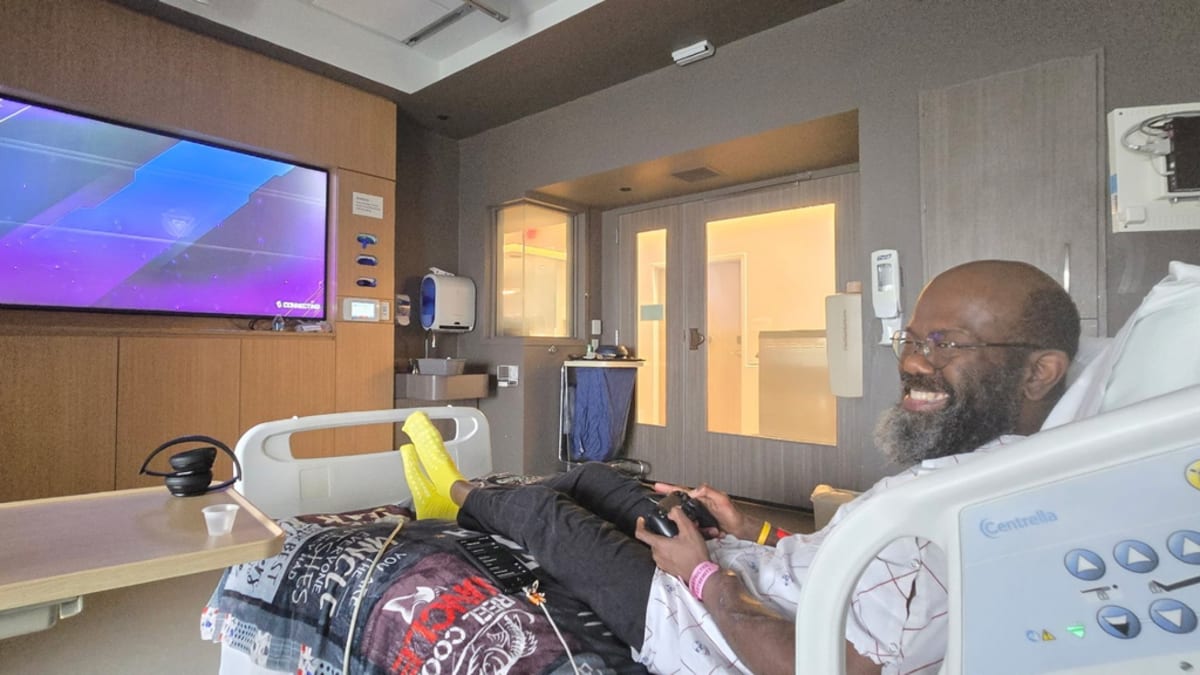
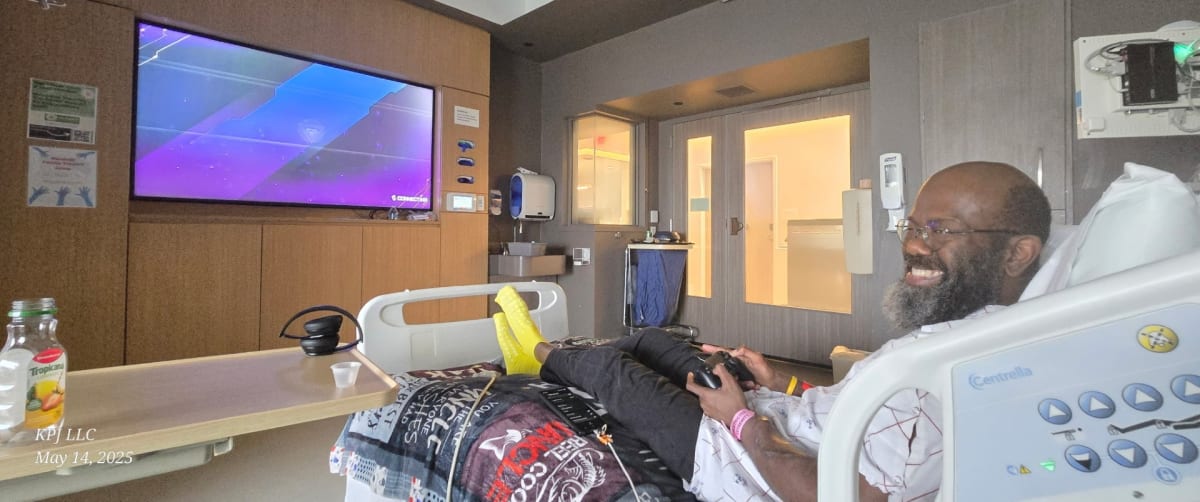
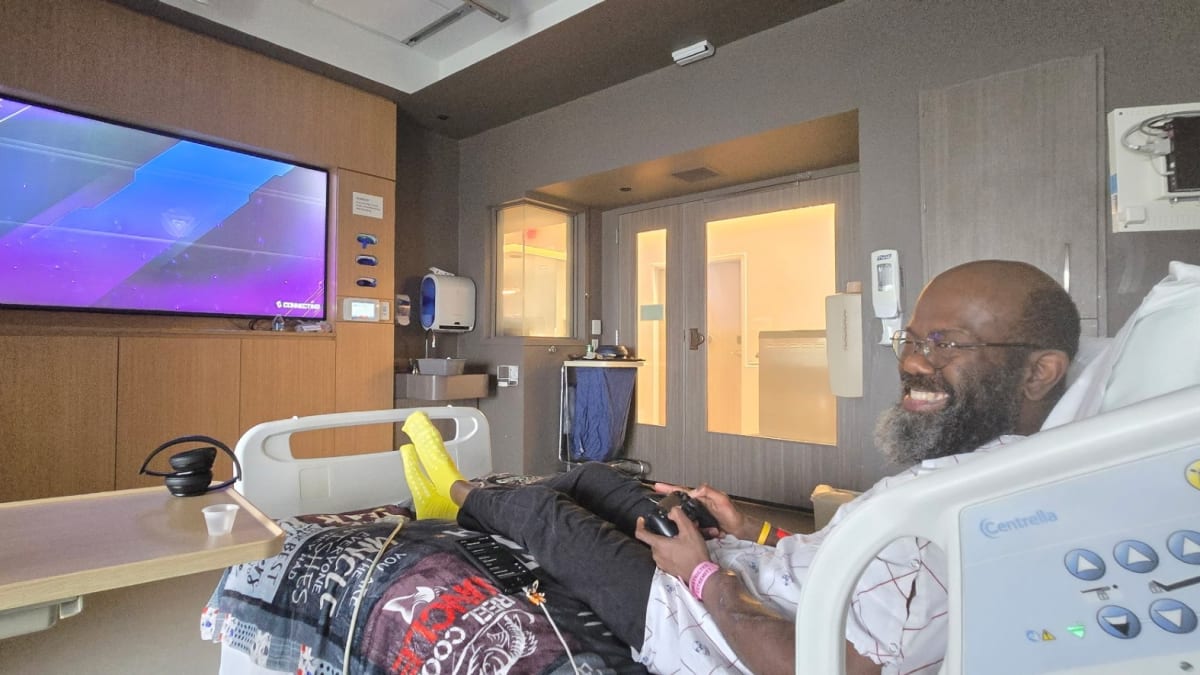
After 40 years of kidney disease and two failed transplants, Andrew Boyd thought his chances of getting a third kidney were gone. His antibody levels were so high that he was compatible with fewer than 1 in 1,000 donor kidneys.
Then doctors at the University of Pennsylvania tried something revolutionary. They used CAR T-cell therapy, originally designed to fight blood cancer, to reset his immune system and make transplantation possible.
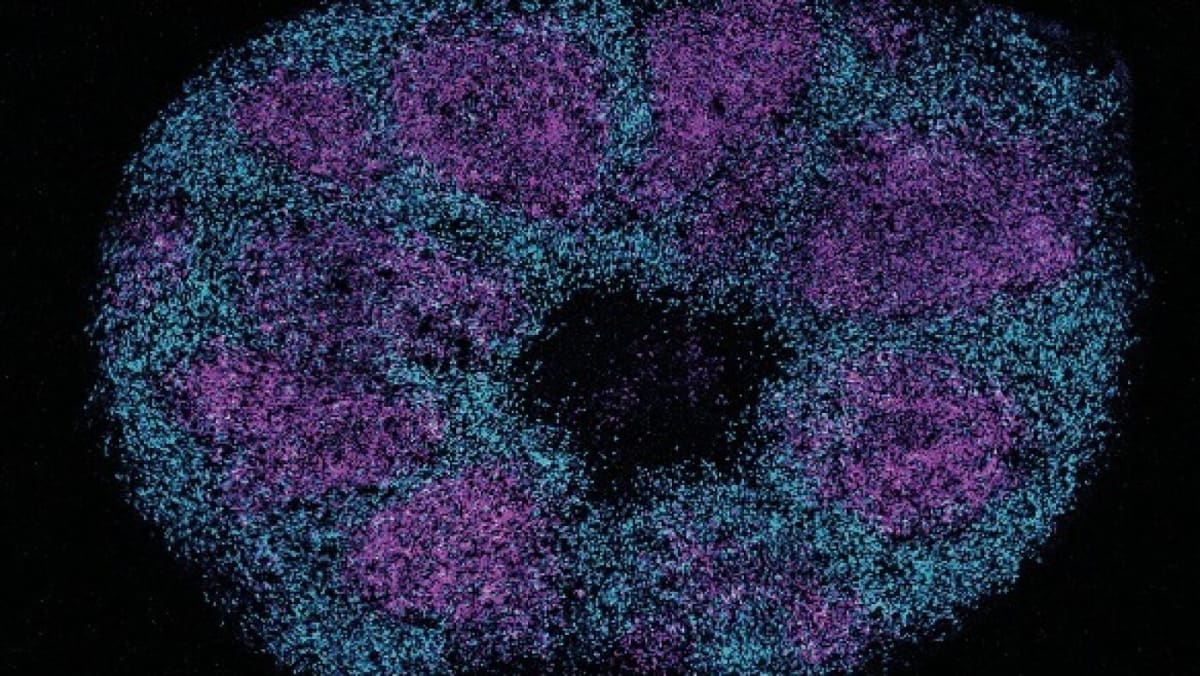
CAR T therapy works by reprogramming a patient's own immune cells. Doctors at Penn Medicine used two types of engineered cells to remove the specific immune cells responsible for making anti-donor antibodies. Within weeks of treatment, Boyd's antibody levels began to fall dramatically.
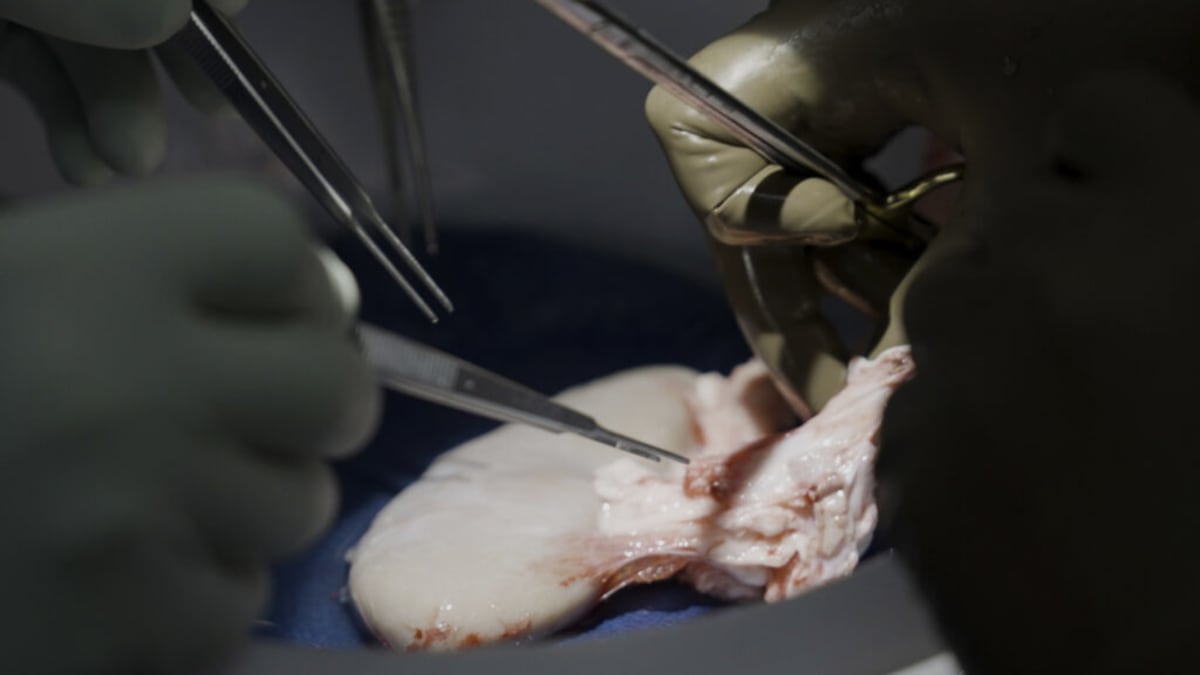
By August 2025, Boyd received the news he once thought impossible: a viable kidney match. He successfully received his third transplant at age 47 and shows no signs of rejection.
Boyd was one of two highly sensitized patients in this pioneering Phase I clinical trial. Both received transplants after the CAR T treatment lowered their antibody levels enough to make new donor matches possible. Neither patient has experienced antibody rebound or organ rejection.
More than 91,000 Americans are currently waiting for a kidney transplant. About 5,000 of them are highly sensitized, meaning their immune systems harbor extremely high levels of antibodies that would attack most donor kidneys. Many never find a match and wait years for a suitable organ.
Traditional methods like plasma exchange or antibody-blocking drugs often fail in the most sensitized patients. This new approach offers hope where none existed before.
Why This Inspires
The treatment was tolerated well, with no severe side effects. Neither patient developed the serious complications sometimes seen in cancer patients treated with CAR T therapy. The depletion of immune cells was temporary, and healthy cell populations gradually recovered over time.
This collaboration between Penn Medicine, NYU Langone, and Mass General represents the first demonstration that CAR T cells can help patients beyond cancer treatment. The team is now planning to study higher doses and enroll more patients to assess long-term safety and effectiveness.
For Boyd, who spent years wondering if a third transplant would ever come, the breakthrough means a second chance at life. For thousands of other highly sensitized patients, it could mean the same.
More Images
Based on reporting by Google News - New Treatment
This story was written by BrightWire based on verified news reports.
Spread the positivity!
Share this good news with someone who needs it