Scientists Map First Human Mission to Saturn's Moon Titan
Researchers gathered in Colorado to seriously plan the first crewed mission to Titan, Saturn's largest moon, marking it as humanity's next frontier after Mars. The moon's thick atmosphere and abundant resources make it surprisingly ideal for human exploration.
Scientists are no longer just dreaming about sending humans to Saturn's largest moon. They're actually mapping out how to do it.
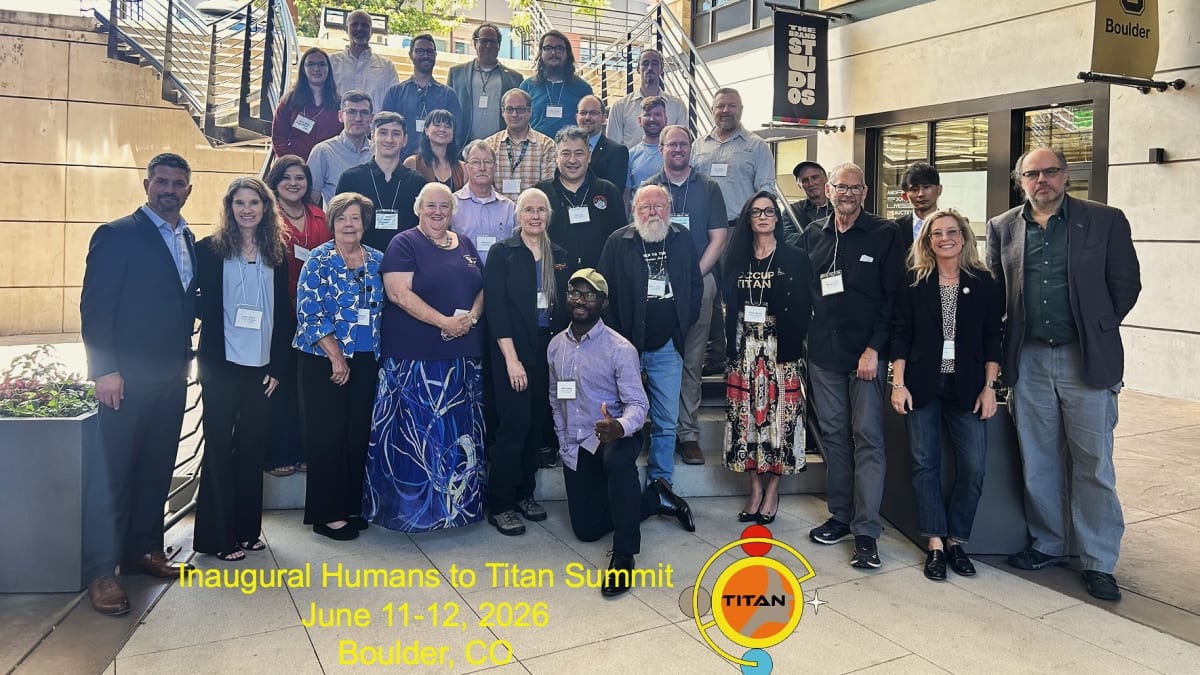
The first ever "Humans to Titan Summit" brought together top experts in Boulder, Colorado this June to tackle a bold question: where do humans go after Mars? Their answer surprised even some space exploration veterans.
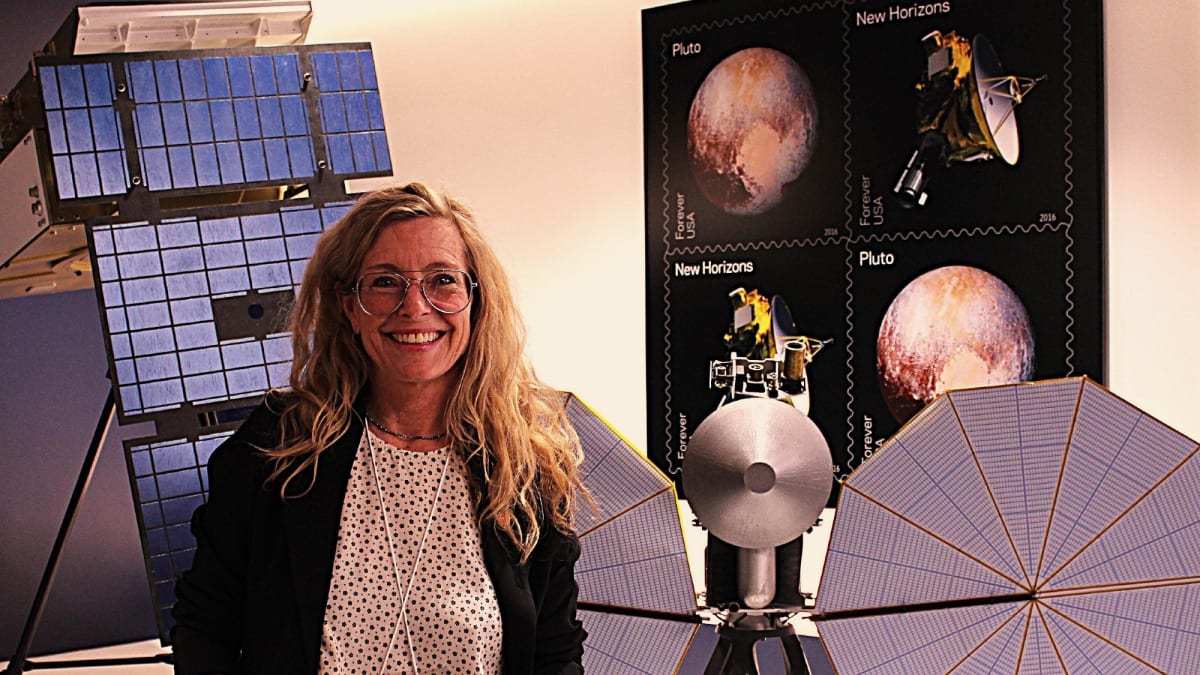
"Titan is actually a very reasonable destination for humans," said Amanda Hendrix, director of the Planetary Science Institute and president of Explore Titan. The two-day gathering marked a turning point from fantasy to serious planning.
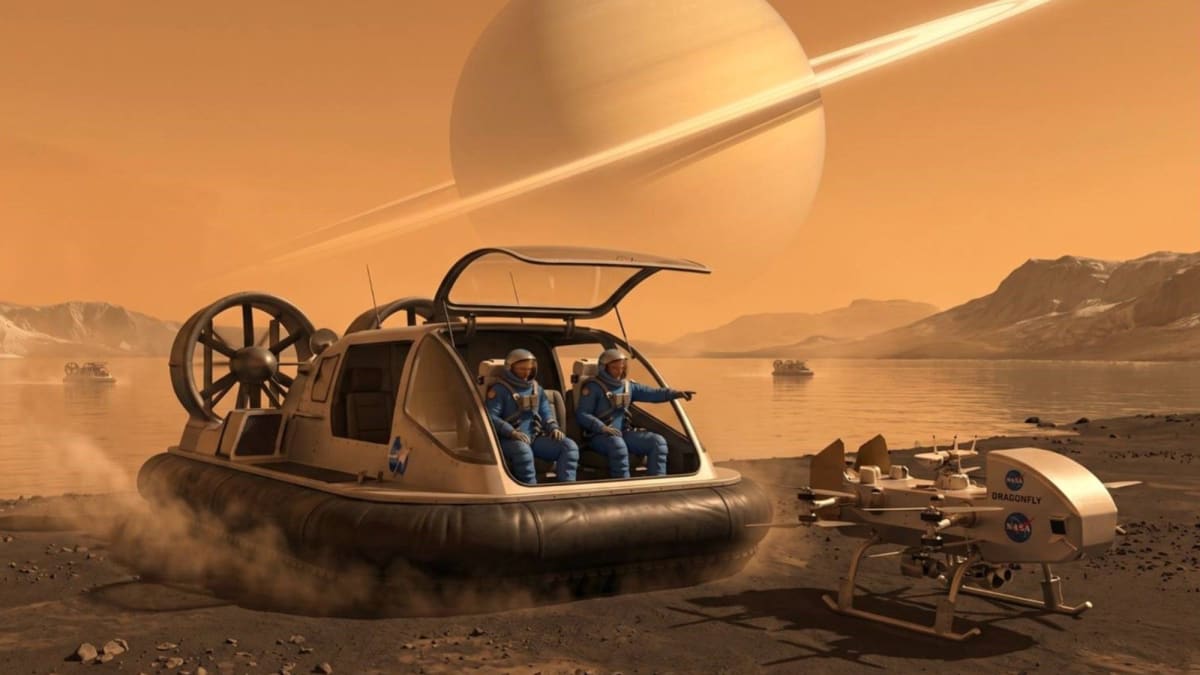
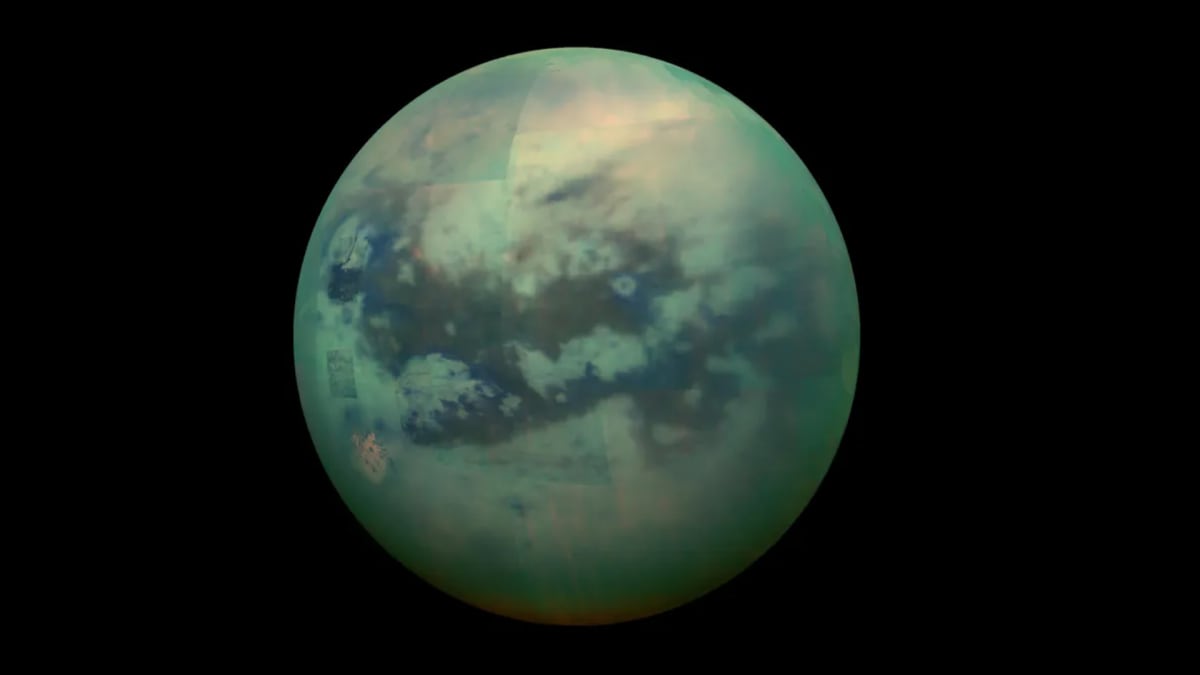
What makes Titan so special? Its thick nitrogen atmosphere acts like a natural shield against dangerous radiation. That same dense air could make landing spacecraft easier and even allow humans to fly with simple wings attached to their suits.
The moon offers another massive advantage for explorers. Titan's surface is rich with methane, nitrogen, and oxygen that future astronauts could harvest as fuel, making it a perfect launching pad for missions deeper into our solar system.
Scientists also discussed the practical challenges ahead. Experts examined everything from spacesuit designs to how astronauts might navigate Titan's exotic weather system, which features hydrocarbon rain instead of water and temperatures that plunge to minus 290 degrees Fahrenheit.
NASA's Dragonfly rotorcraft, scheduled to launch in 2028, will pave the way. The nuclear-powered vehicle will spend over three years flying across Titan's surface, collecting samples and scouting locations for future human visitors.
The Ripple Effect
This ambitious goal does more than plan one mission. Scot Rafkin from the Southwest Research Institute explained that pursuing Titan accelerates technology development that will benefit exploration throughout our solar system.
"Human exploration of Titan is not a question of physics," Rafkin said. "It is a question of time, technology, and commitment." The conference identified the biggest hurdle: either shortening the six-year journey time or finding ways to protect astronaut health during the long voyage.
Researchers even explored using Titan as a hub for sample-return missions to nearby moons like Enceladus. The moon's resources could fuel decades of discovery across the Saturn system.
Everyone at the summit acknowledged this mission won't happen soon. But by taking the idea seriously now, scientists are keeping momentum alive for humanity's next giant leap beyond the Mars frontier.
More Images
Based on reporting by Google News - Science
This story was written by BrightWire based on verified news reports.
Spread the positivity!
Share this good news with someone who needs it