Scientists May Have Found Quantum Computing Gold in a Rock
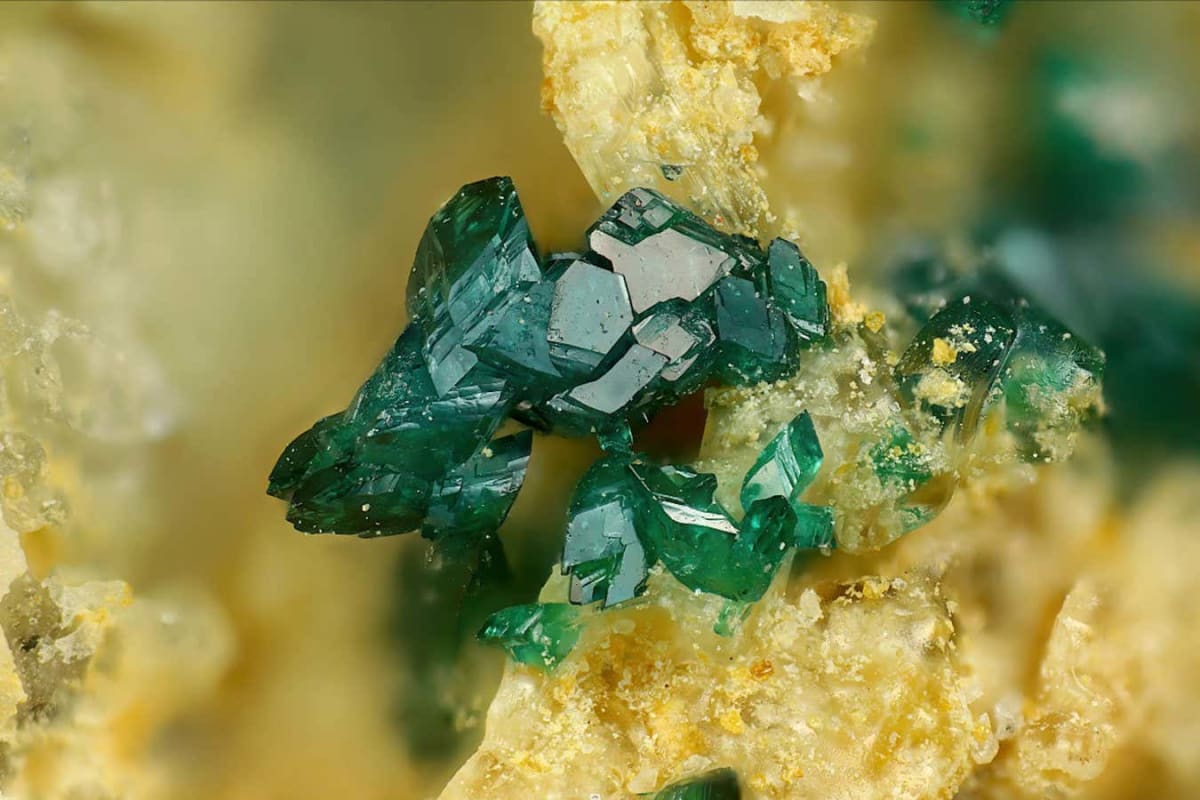
A bluish-green mineral discovered in an Iranian mine 50 years ago might hold the key to revolutionizing quantum computers. Physicists now have evidence that this rare crystal naturally creates quantum entanglement, something scientists have struggled to engineer in labs.
A dusty mineral pulled from an Iranian desert in the 1970s might solve one of quantum computing's biggest problems.
Back then, mineralogists Joachim Otteman and Darius Adib spotted an unusual bluish-green glow in the Kali Kafi mine near Anarak, Iran. They collected samples of the glassy mineral, named it anarakite, and moved on with their lives.
What they didn't know was that their discovery, later renamed herbertsmithite, could be harboring a quantum secret that physicists have chased for half a century.
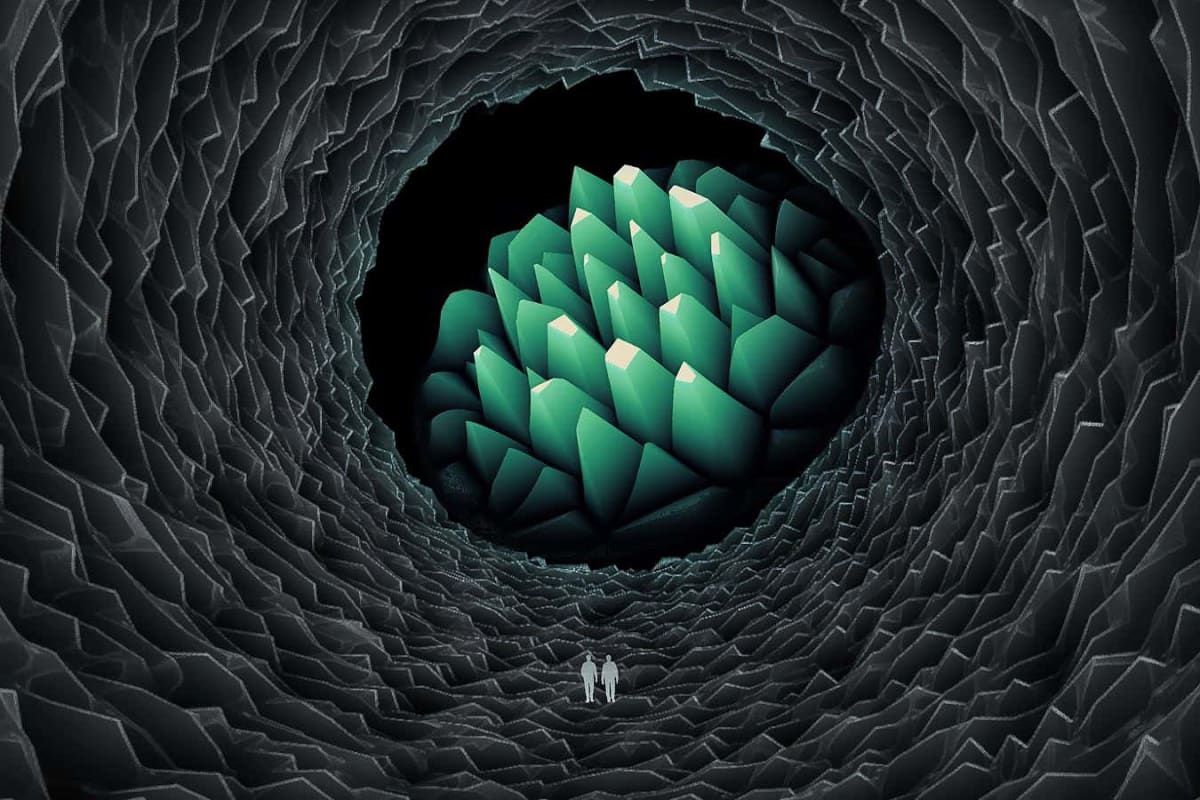
The mineral might be a naturally occurring quantum spin liquid, a rare state of matter where particles stay connected through quantum entanglement. While scientists can entangle individual particles like photons or ultracold atoms in labs, creating entanglement within solid materials has remained frustratingly out of reach.
"The whole machine is sort of like an entangled network, sort of like a hive mind," says Michael Norman at Argonne National Laboratory. "If nature does it better than us, that would be great."
Finding quantum entanglement in a naturally occurring rock would be like striking gold for quantum computing. Current quantum computers struggle with errors that cascade through their systems, requiring engineers to painstakingly connect many components and figure out how to entangle them.
Starting with a quantum spin liquid would flip that script entirely. Instead of building entanglement from scratch, scientists could simply harness what nature already created.
Young Lee at SLAC National Accelerator Laboratory has spent his career studying herbertsmithite. His team recently found solid evidence of the mineral's quantum properties, thanks to its unique atomic structure.
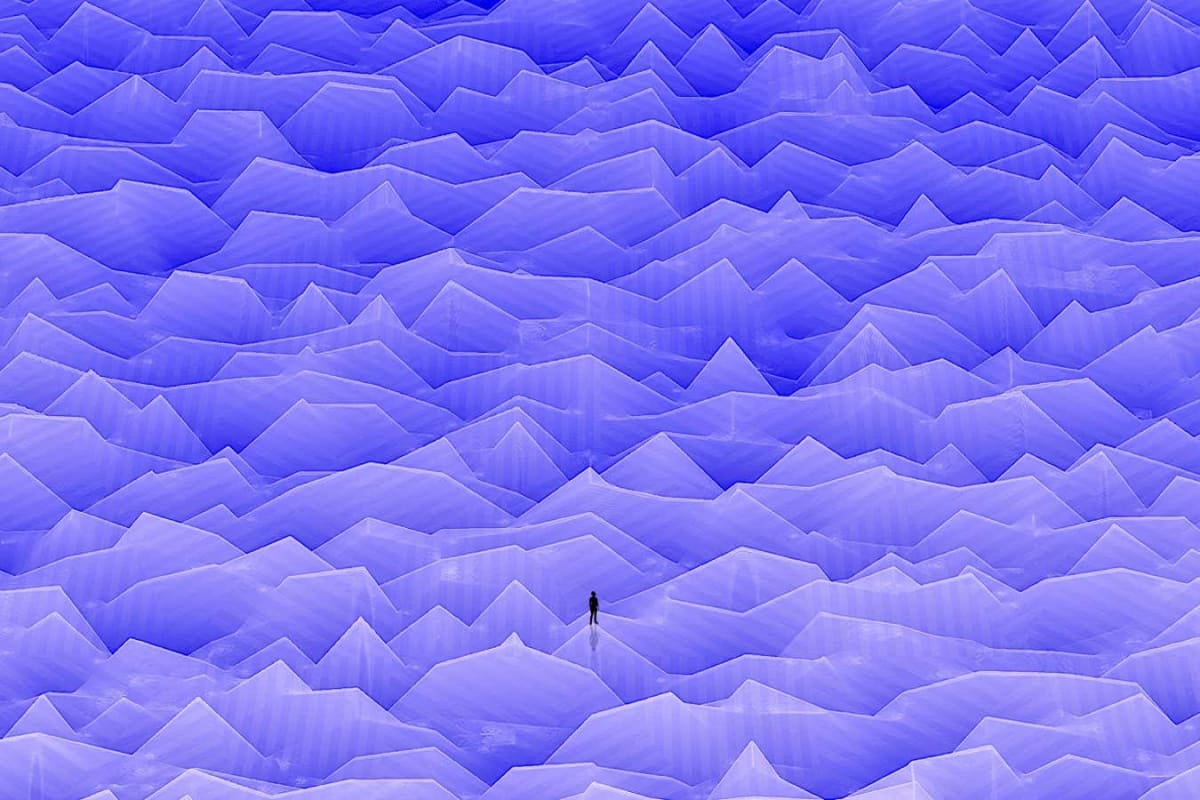
The mineral contains flat layers of magnetic copper atoms arranged in a pattern called Kagome, rows of interlinked six-pointed stars. This geometric arrangement prevents the atoms from settling into stable positions, keeping them in constant quantum motion even at extremely cold temperatures.
The Ripple Effect
The breakthrough could transform how we build quantum computers. Instead of adding more components to combat errors, engineers might use naturally entangled materials as their starting point.
The discovery also shows how patient scientific detective work pays off. A mineral sat forgotten in labs for decades before physicists recognized its potential to revolutionize computing.
And it all started because two mineralogists followed a bluish-green glow into a desert mine, curious about what secrets the earth might reveal.
Nature might have been creating quantum computers all along, just waiting for us to notice.
More Images


Based on reporting by New Scientist
This story was written by BrightWire based on verified news reports.
Spread the positivity!
Share this good news with someone who needs it