Scientists Name 'Darkwaves' That Harm Ocean Life
Researchers just gave a name to mysterious ocean events that plunge underwater ecosystems into darkness for weeks or months. The new framework helps protect marine life by tracking when and where these "darkwaves" strike.
Imagine entire patches of ocean going dark for months, and scientists not even having a name for it until now.
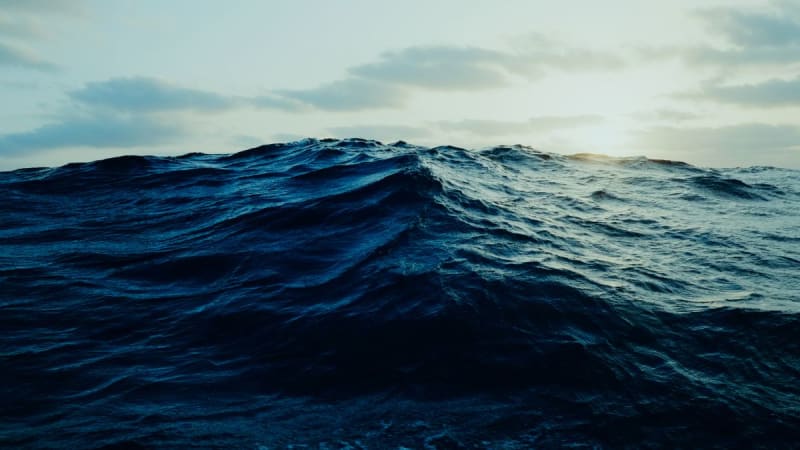
Researchers in New Zealand just created the first framework to track "marine darkwaves," intense periods when ocean waters lose so much light that entire ecosystems suffer. These events can last anywhere from five days to over two months, casting underwater habitats into a darkness that stops photosynthesis and disrupts marine life from kelp forests to coral reefs.
"Light is a fundamental driver of marine productivity all the way up to the upper food chain, yet until now we have not had a consistent way to measure extreme reductions in underwater light," says marine scientist François Thoral of Waikato and Canterbury Universities. His team gave this critical phenomenon its first official name and measurement system.
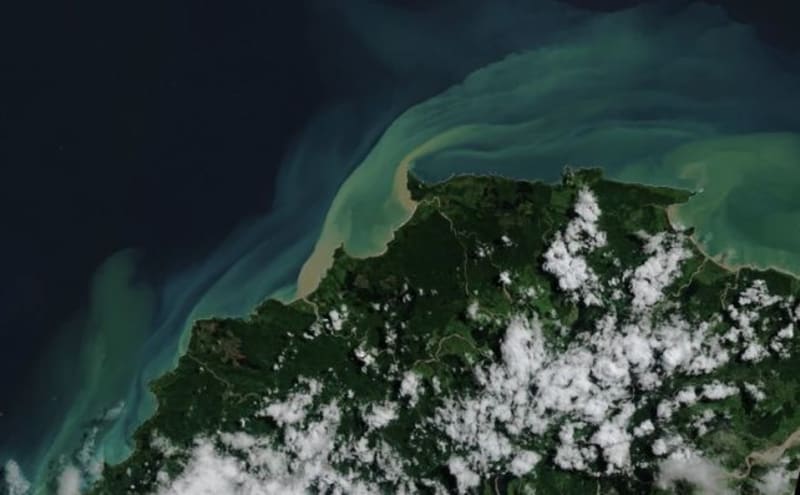
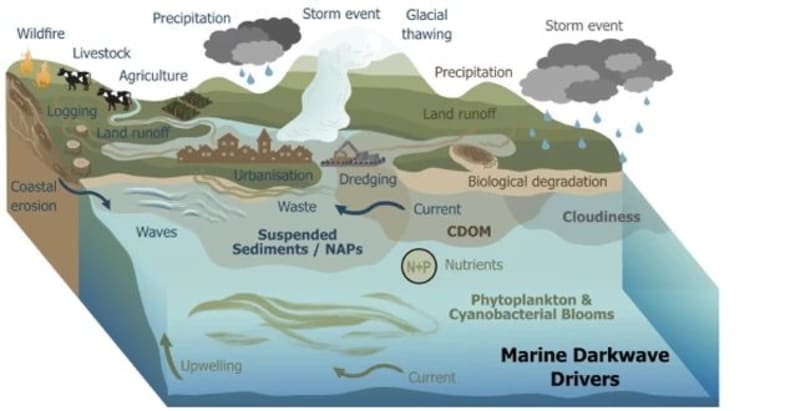
The discovery fills a major gap in ocean science. Researchers have long tracked slow ocean darkening over decades, but these sudden darkwave events were invisible to monitoring systems. Storms, wildfires, algal blooms, and sediment dumps can trigger them, yet nobody could consistently identify when or where they happened.
The team analyzed 21 years of satellite data from New Zealand's East Cape and found between 25 and 80 darkwaves between 2002 and 2023. The longest lasted 64 days. Many followed major storms, including Cyclone Gabrielle in 2023, which dumped massive amounts of sediment into coastal waters.
California's coast showed similar patterns in 16 years of underwater light measurements. The darkwaves appeared repeatedly at depths where kelp forests, seagrass meadows, and coral reefs depend on sunlight to survive.
Why This Inspires
This breakthrough gives coastal communities and conservationists their first real tool to protect vulnerable ocean habitats. Indigenous groups, marine managers, and scientists can now spot darkwave threats early and respond before ecosystems collapse.
The framework works like the systems that detect marine heatwaves, setting clear parameters for minimum duration and light loss. That means anyone monitoring ocean health can identify darkwaves using standard measurements, turning an invisible threat into something we can track and manage.
"Coastal ecosystems are increasingly exposed to storm-driven sedimentation and higher climate variability," says coastal scientist Chris Battershill. "This framework will be invaluable for coastal communities and marine conservationists who need accurate information to guide decision making."
The research shows how naming something can be the first step toward solving it.
More Images

Based on reporting by Google News - Scientists Discover
This story was written by BrightWire based on verified news reports.
Spread the positivity!
Share this good news with someone who needs it