Sweden Plans Nuclear and Wind Power to Double Clean Energy
Sweden has found the cheapest path to meet its surging electricity demand: expanding nuclear power and onshore wind farms. By 2045, the nation aims to double its electricity supply while keeping emissions at net zero.
Sweden just mapped out how to power its clean energy future without breaking the bank.
A new report from the OECD's Nuclear Energy Agency reveals that combining nuclear power with onshore wind farms offers the most affordable way for Sweden to meet skyrocketing electricity demand. The country expects to need twice as much power by 2045 as industries like steel manufacturing and transportation switch to cleaner energy sources.
The winning combination looks impressive. By 2050, Sweden plans to have 13 gigawatts of nuclear capacity paired with 30 gigawatts of onshore wind, all for an annual system cost of around $18 billion.
Right now, Sweden runs on 7 gigawatts of nuclear and 17 gigawatts of onshore wind. The country's electricity already comes from almost entirely clean sources: 40% hydroelectric, 29% nuclear, 21% wind, 8% thermal, and 2% solar.
Here's where the math gets interesting. Building onshore wind costs about $1,500 per kilowatt, making it the cheapest option upfront. Nuclear comes in at $7,000 per kilowatt, more than four times higher.
But nuclear's superpower is consistency. Unlike wind farms that depend on weather conditions, nuclear reactors generate steady electricity around the clock. That reliability cuts down on backup systems and balancing costs across the entire grid.
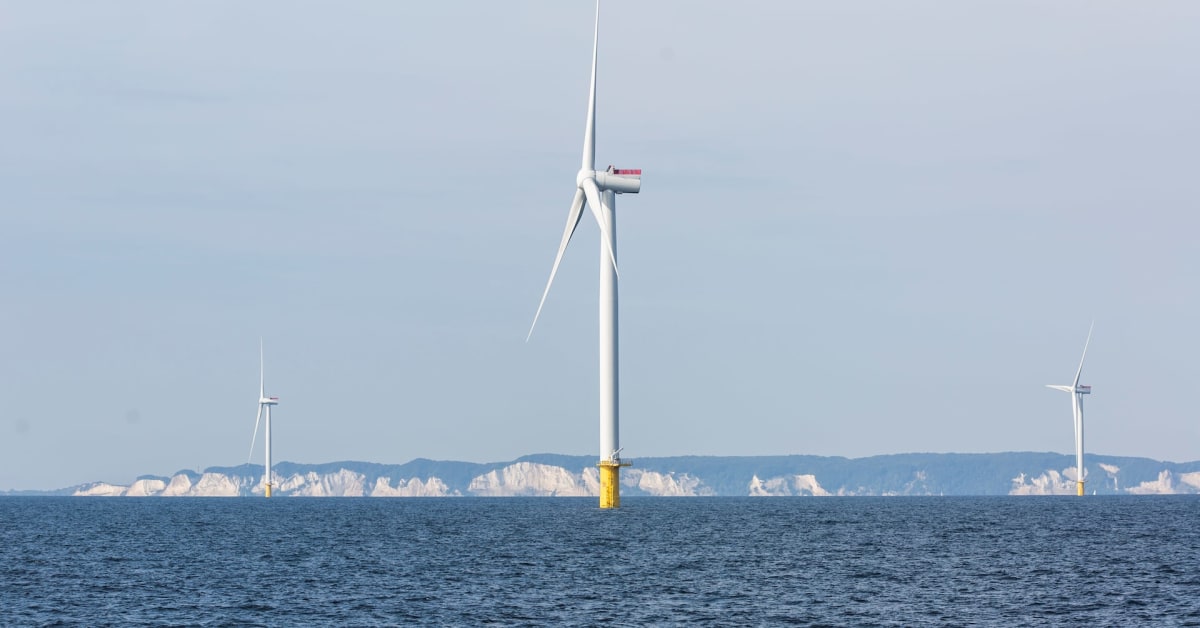
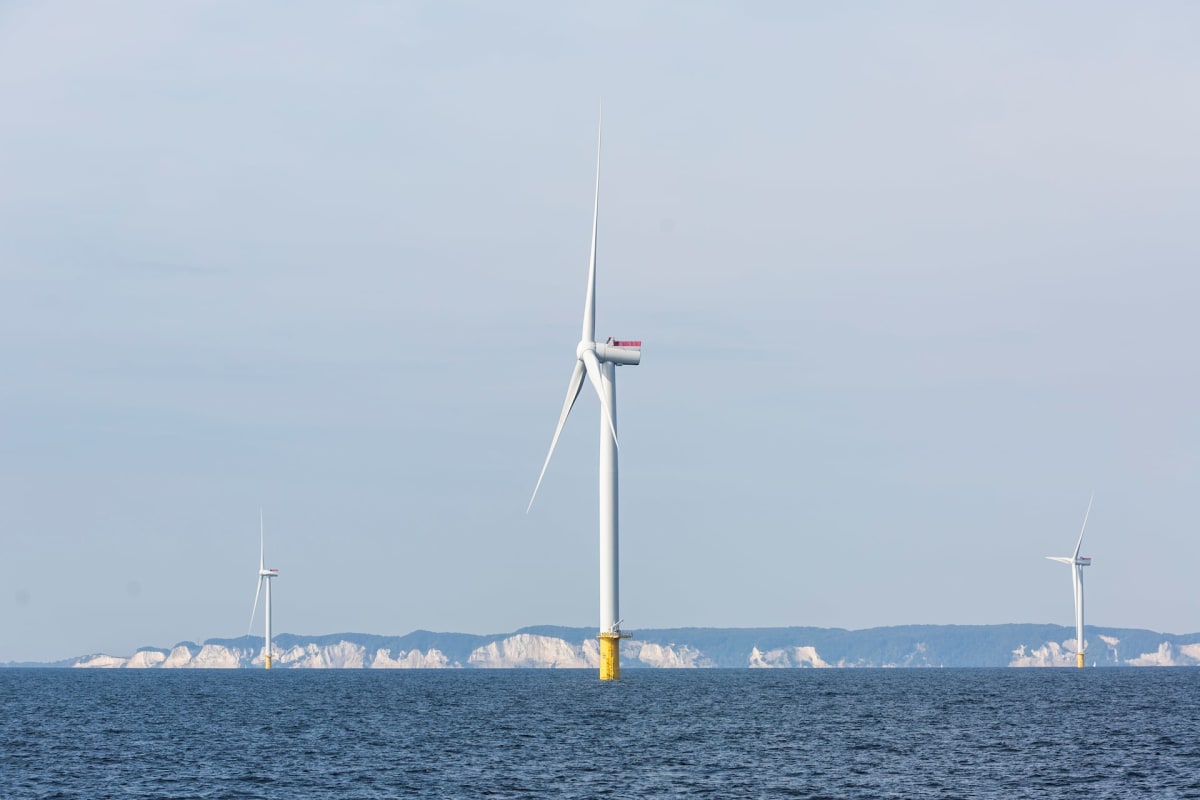
Offshore wind didn't make the cut. At $3,000 per kilowatt to build and unable to match nuclear's reliability advantages, it couldn't compete economically with the nuclear-onshore wind partnership.
The Bright Side
Sweden's government is backing up this plan with real support. Officials have offered cheap loans and price guarantees to developers for 2,500 megawatts of new nuclear capacity. The goal is to build the equivalent of 10 new full-size reactors by 2045, adding to the six already running.
This strategy shows how different clean energy sources can work together rather than compete. Wind provides affordable capacity during favorable conditions, while nuclear fills the gaps and keeps the lights on when the wind dies down.
The approach also proves that reaching net zero emissions doesn't require choosing just one technology. Sweden is building on its existing hydroelectric foundation and adding the best combination of nuclear and wind to meet future needs.
By 2045, Sweden expects to power twice as many homes, factories, and electric vehicles while maintaining its commitment to clean air and climate goals.
More Images
Based on reporting by Google News - Wind Energy
This story was written by BrightWire based on verified news reports.
Spread the positivity!
Share this good news with someone who needs it