Scientists Name First New Penguin Species in 100 Years
Researchers have discovered a completely new species of penguin on a remote island chain, the first penguin species identified in over a century. The groundbreaking study also revealed that gentoo penguins are actually four distinct species, not one.
Scientists have discovered an entirely new penguin species hiding in plain sight on one of Earth's most isolated island chains.
An international research team led by scientists from Chile and the University of California, Berkeley identified the southeastern gentoo penguin on the Kerguelen Islands, located nearly 2,000 miles from the nearest permanent human settlement. It's the first new penguin species named in more than 100 years.
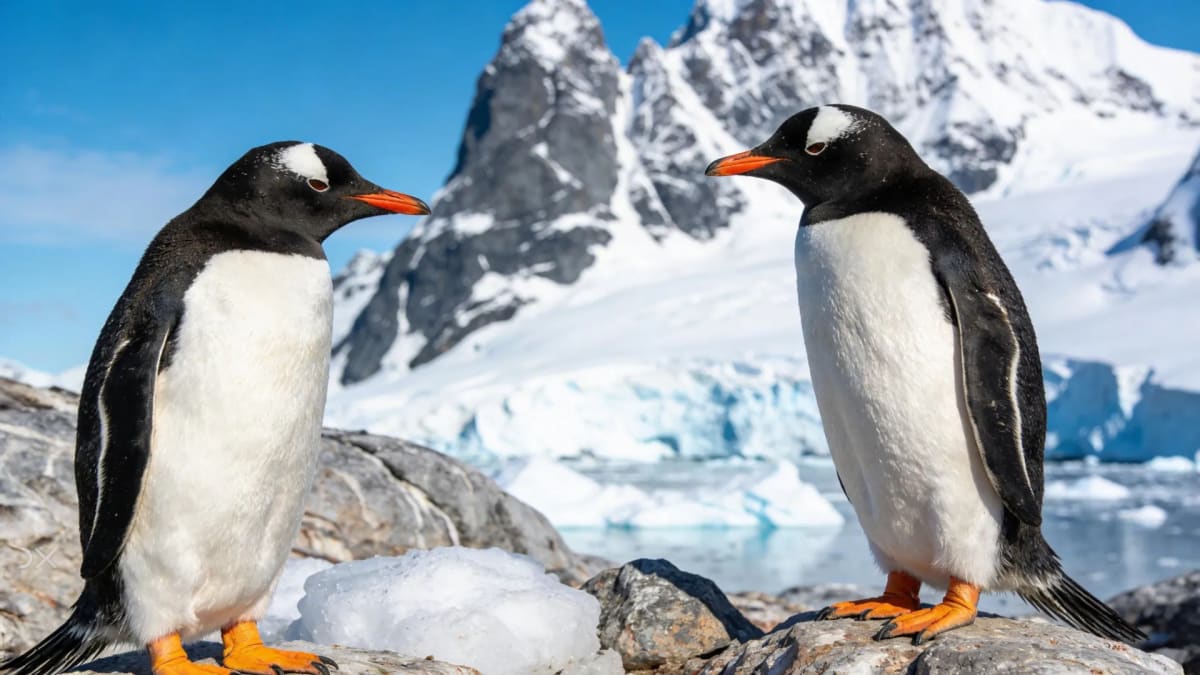
The discovery came as a surprise because these penguins look nearly identical to their gentoo relatives. They share the same distinctive black and white coloring that helps them hunt and avoid predators in the ocean. But DNA testing revealed they're genetically distinct enough to be classified as their own species, making them what scientists call a "cryptic species."
The team analyzed whole-genome sequences from 64 penguins across 10 breeding colonies, covering nearly the entire geographic range of gentoo populations for the first time. This comprehensive approach settled a debate that's raged among penguin experts for over a century.
The research revealed even more exciting news. What scientists previously thought was a single widespread gentoo penguin species is actually four separate species. Three populations that were considered subspecies turned out to be different enough genetically to earn full species status.
Why This Inspires
This discovery shows how much we still have to learn about our planet, even when it comes to animals as beloved and studied as penguins. The Kerguelen Islands' extreme remoteness helped an entire species remain unrecognized for so long, reminding us that nature still holds wonderful secrets.
The breakthrough also highlights how modern genetic tools are revolutionizing our understanding of wildlife. By bringing together penguin specialists from around the world and combining cutting-edge DNA analysis with traditional observations of behavior and physical traits, researchers achieved what decades of previous studies couldn't.
Professor Rauri Bowie, a curator at UC Berkeley's Museum of Vertebrate Zoology, noted that gentoo penguins have sparked more taxonomic debate than probably any other penguin species. This comprehensive study finally brings clarity and consensus to the scientific community.
The timing matters too. Understanding exactly which penguin populations qualify as distinct species helps conservation efforts become more targeted and effective. Each species has unique genetic traits and adaptations that deserve protection.
One bright spot in the findings: gentoo penguins are flexible eaters who can adapt their diet to whatever prey they can catch underwater. While other penguins like Emperors and Adélies rely heavily on specific food sources and face population declines in some areas, gentoos show remarkable resilience by consuming almost anything they can find.
This adaptability, combined with newfound scientific attention, gives these newly recognized species a fighting chance for the future.
Based on reporting by Google News - Scientists Discover
This story was written by BrightWire based on verified news reports.
Spread the positivity!
Share this good news with someone who needs it