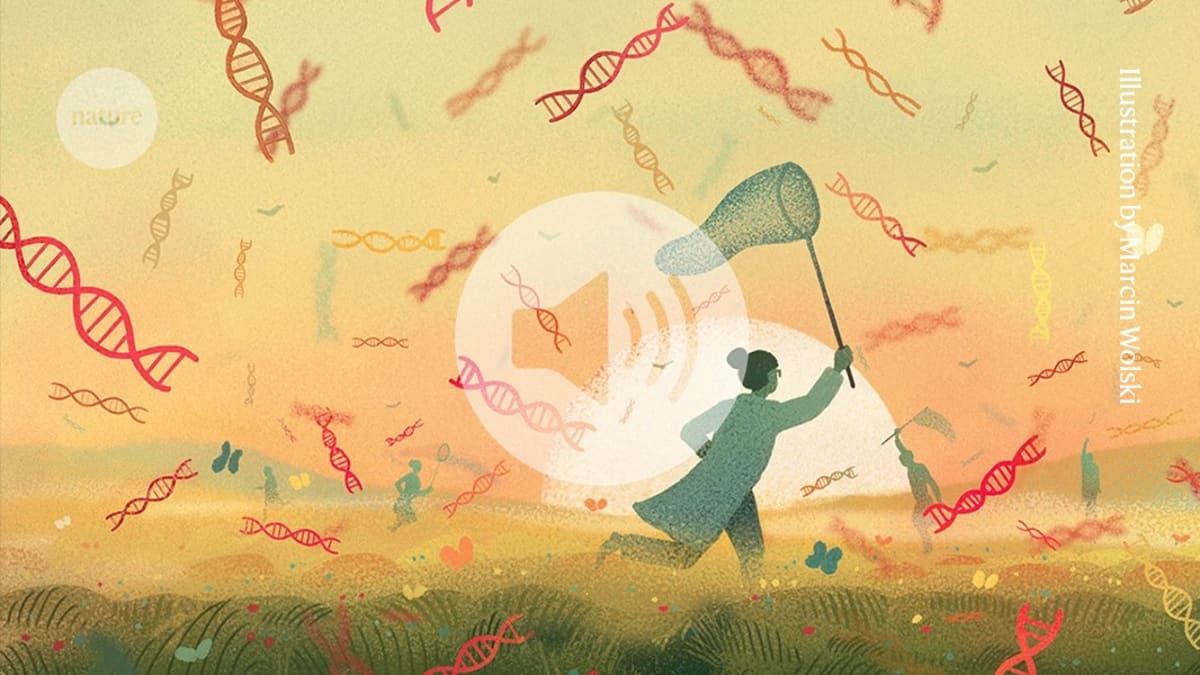
Scientists Now Track Wildlife Using DNA Floating in Air
Researchers have discovered they can monitor endangered species and biodiversity by collecting DNA samples from the air we breathe. This breakthrough could revolutionize conservation efforts and help protect ecosystems without disturbing wildlife.
The air around us is full of invisible clues about the animals, plants, and ecosystems nearby, and scientists just figured out how to read them.
Researchers have recently started collecting DNA samples directly from the air, opening up exciting new possibilities for tracking wildlife and protecting endangered species. While scientists have long gathered genetic information from water and soil, airborne DNA represents a completely new frontier in conservation science.
The technique works by capturing tiny genetic particles that float through the atmosphere. Every living thing sheds DNA into its environment through skin cells, pollen, fur, feathers, and even breath.
Scientists are already using airborne DNA to monitor individual species in their natural habitats. The method is particularly promising because it doesn't require disturbing animals or invading their space with cameras, traps, or tracking devices.
Conservation teams hope this abundant genetic information will help them measure the success of their protection efforts more accurately than ever before. Instead of relying on visual surveys or camera traps that might miss hidden or nocturnal species, they can now sample an entire ecosystem just by testing the air.
The technology could also help identify rare birds and other elusive creatures that are difficult to track using traditional methods. One recent study successfully detected a rare bird species just from airborne genetic material, proving the technique works even for animals present in very small numbers.
The Ripple Effect
Beyond wildlife conservation, this discovery could transform how we understand and protect entire ecosystems. Scientists believe airborne DNA monitoring could help track biodiversity across large areas quickly and affordably, making it easier for communities worldwide to protect their natural resources.
The technique might even have applications in detecting biological threats or monitoring the health of forests and other critical habitats. As researchers continue developing the technology, they're also working through important questions about ethics and privacy, particularly around the potential to identify human genetic information from air samples.
Scientists are still learning crucial details, like how far DNA can travel through the air and how long it remains detectable. But the early results show tremendous promise for giving conservationists a powerful new tool in their mission to protect our planet's incredible biodiversity.
This invisible library of genetic information has been floating around us all along, just waiting to reveal its secrets.
More Images


Based on reporting by Nature News
This story was written by BrightWire based on verified news reports.
Spread the positivity!
Share this good news with someone who needs it
%2Ffile%2Fattachments%2F2998%2F14147038_376896.jpg)