Scientists Propose Reuniting 4 Million Years of Human Family
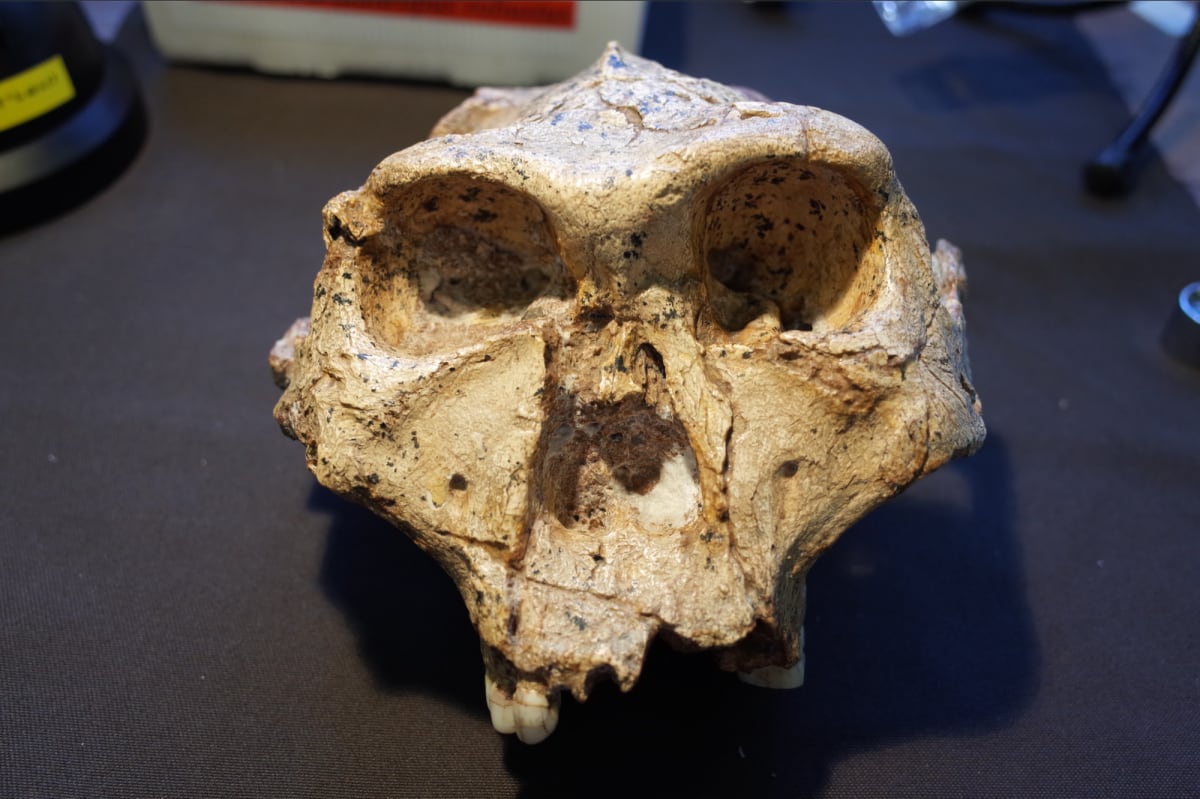
New research suggests our ancient relatives like Australopithecus and Paranthropus should be reclassified as part of the Homo genus, potentially uniting 4 to 5 million years of human evolution under one family name. The proposal aims to fix outdated labels that no longer match what fossils actually reveal about our ancestry.
The names we've been using to sort our ancient ancestors may finally be getting an overhaul that better reflects how we're actually related.
Dr. Ian Towle from Monash University is proposing something that sounds radical but could make human evolution easier to understand. He wants to bring Australopithecus, Paranthropus, and Kenyanthropus into the Homo genus, stretching our family name back roughly 4 to 5 million years instead of the current timeframe.
The reason? The old boundaries just don't work anymore.
For decades, scientists separated these groups based on brain size, tool use, and diet. Homo was supposed to be the smart one with big brains and fancy tools. Paranthropus had massive jaws for tough foods. Australopithecus sat somewhere in between.
But recent fossil discoveries keep blurring those lines. Some Homo species like Homo floresiensis had surprisingly small brains. Australopithecus garhi had teeth bigger than Paranthropus boisei, the supposed heavyweight chewer. Tool use shows up in unexpected places across different groups.
The bigger problem runs deeper than just mixed-up traits. Modern classification aims to group species by actual ancestry, not just similar features. Studies keep showing that some Australopithecus species are more closely related to Homo or Paranthropus than to other australopiths, creating a tangled family tree that the old labels can't handle.
"Recent fossil discoveries and advances in evolutionary and genetic analysis make this an ideal time to reconsider whether our traditional taxonomy still accurately reflects human evolution," Dr. Towle said in research published in the American Journal of Biological Anthropology.
The proposal wouldn't lump everything together carelessly. Earlier candidates like Sahelanthropus and Ardipithecus would stay separate because their exact positions remain debated. The expanded Homo would specifically cover a major group of closely related human ancestors and relatives.
Why This Inspires
This rethinking shows science doing what it does best: adapting when evidence demands it. Instead of clinging to century-old categories that made sense with limited fossils, researchers are building a system that can handle complexity and new discoveries without constant reshuffling.
The proposal also reminds us that understanding where we came from requires flexibility and honesty about uncertainty. Evolution wasn't neat and tidy, with clear dividing lines between groups. It involved branching, reconnecting, and gene flow across populations, much like we see in living primates today.
Whether or not the scientific community adopts this specific proposal, the conversation itself represents progress toward a clearer, more accurate picture of human origins.
Science is rewriting our family story to match the evidence, and that's exactly how it should work.
More Images


Based on reporting by Google: fossil discovery
This story was written by BrightWire based on verified news reports.
Spread the positivity!
Share this good news with someone who needs it