Scientists Prove Darwin Right 150 Years Later on Plant Eaters
Charles Darwin suspected certain plants ate insects over 150 years ago, but couldn't prove it in his lifetime. Now scientists have finally confirmed his hunch about meat-eating Saxifraga plants using modern research methods.
Sometimes the greatest scientists are proven right long after they're gone, and Charles Darwin just got a victory lap 150 years in the making.
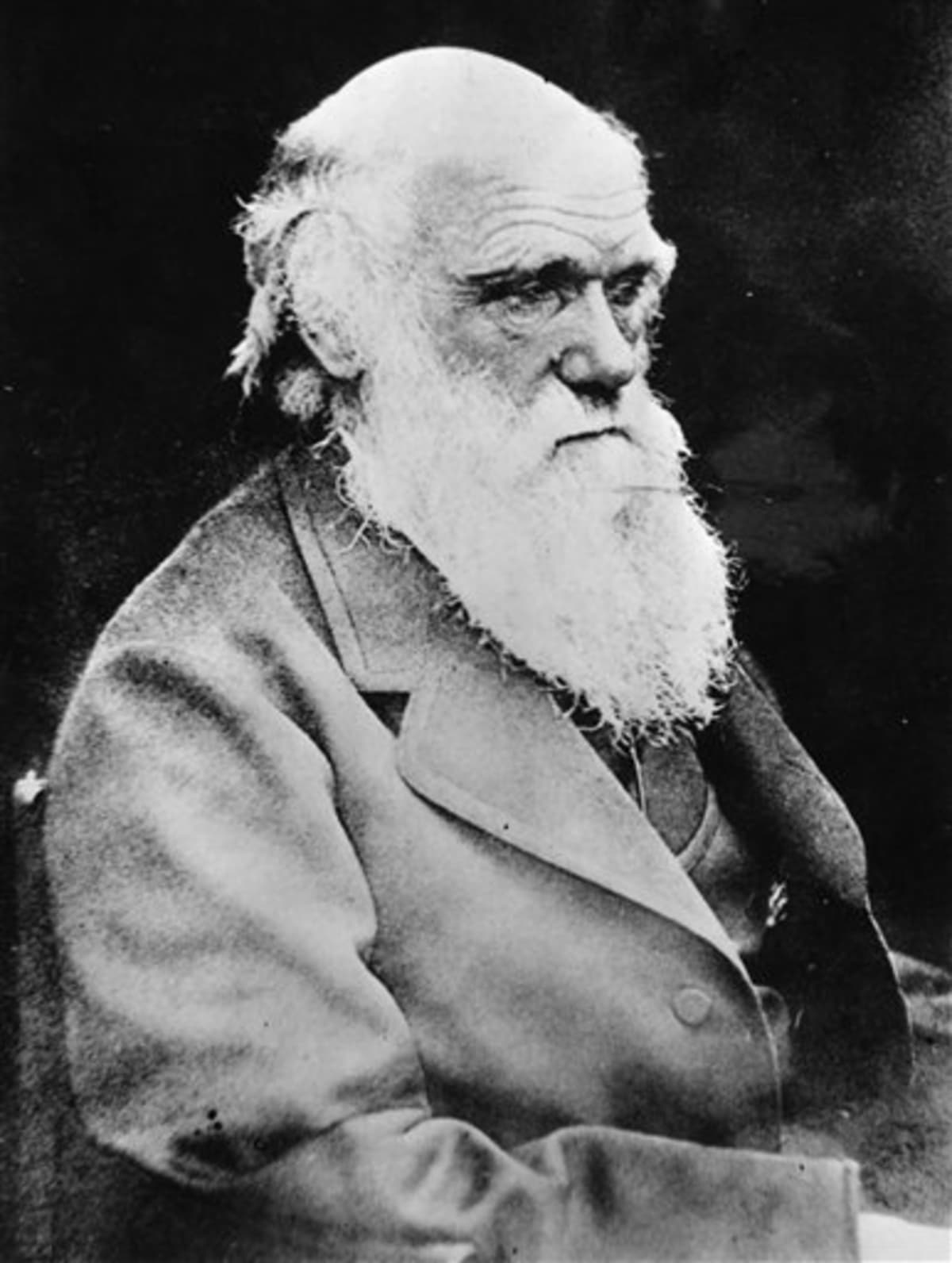
A new study published in Nature Communications confirms what Darwin suspected back in the 1800s: plants in the Saxifraga genus are actually carnivores. The legendary naturalist tried to prove this himself but didn't have the tools to do it.
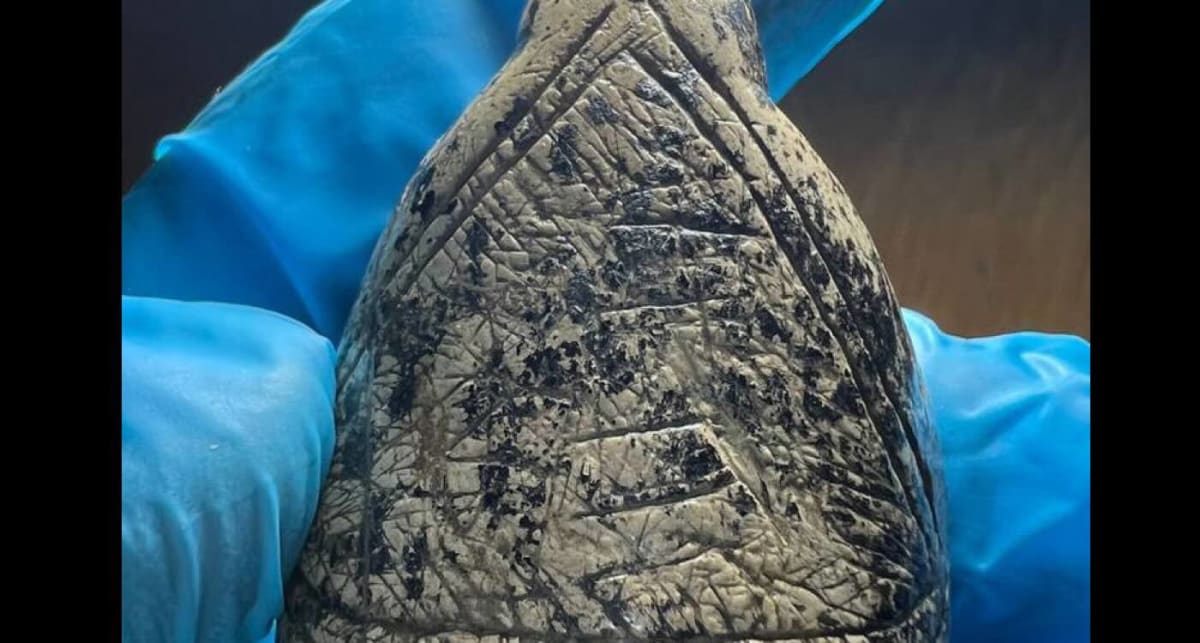
Researchers focused on a Saxifraga species native to China and discovered something remarkable. Mature plants with sticky, hair-covered branches caught an average of 71 insects each, turning them into nutritious meals.
The team proved these plants are true carnivores by checking all the boxes. They lure prey with scent, digest them using the same enzyme found in other meat-eating plants, and absorb their nutrients through their leaves.
Scientists even used nitrogen-labeled fruit flies to track exactly how the plants were feeding. The experiment left no doubt that these unassuming plants were secretly feasting on insects.
"Talk about an amazing feeling," said study co-author Doug Soltis from the University of Florida. "To have the opportunity to confirm a prediction of Darwin is both humbling and very exciting."
Genetic analysis added more proof to the discovery. The research hints that other Saxifraga relatives with similar sticky hairs might also be quiet insect hunters, just as Darwin suspected all those years ago.
The plants even show some sophistication in their hunting strategy. They mostly avoid catching their own pollinators, keeping the insects that help them reproduce safe while snacking on others.
Why This Inspires
This discovery reminds us that great questions can wait generations for answers. Darwin asked whether these plants were carnivores in an era without modern genetics or tracking technology, yet his careful observations pointed him in the right direction.
Today's scientists stood on his shoulders and used 21st-century tools to prove what one curious mind suspected over a century ago. It's a beautiful example of how science builds on itself, with each generation adding pieces to puzzles left by those who came before.
The finding also opens doors to discovering more carnivorous plants hiding in plain sight. If Darwin was right about this, what other hunches from history's greatest minds are still waiting to be confirmed?
Science keeps reminding us that patience and curiosity always pay off in the end.
More Images

Based on reporting by Google News - Science
This story was written by BrightWire based on verified news reports.
Spread the positivity!
Share this good news with someone who needs it