Scientists Prove Gondwana Kicked Off Life on Earth
A team of researchers just solved a 140-year mystery about an ancient supercontinent and discovered it may have triggered the explosion of life on our planet. Their finding connects buried mountain rocks across Asia to show Gondwana was 25% bigger than anyone thought.
Scientists just confirmed that a massive ancient continent called Gondwana truly deserves its "supercontinent" status, and the discovery reveals how life on Earth got its first big break.
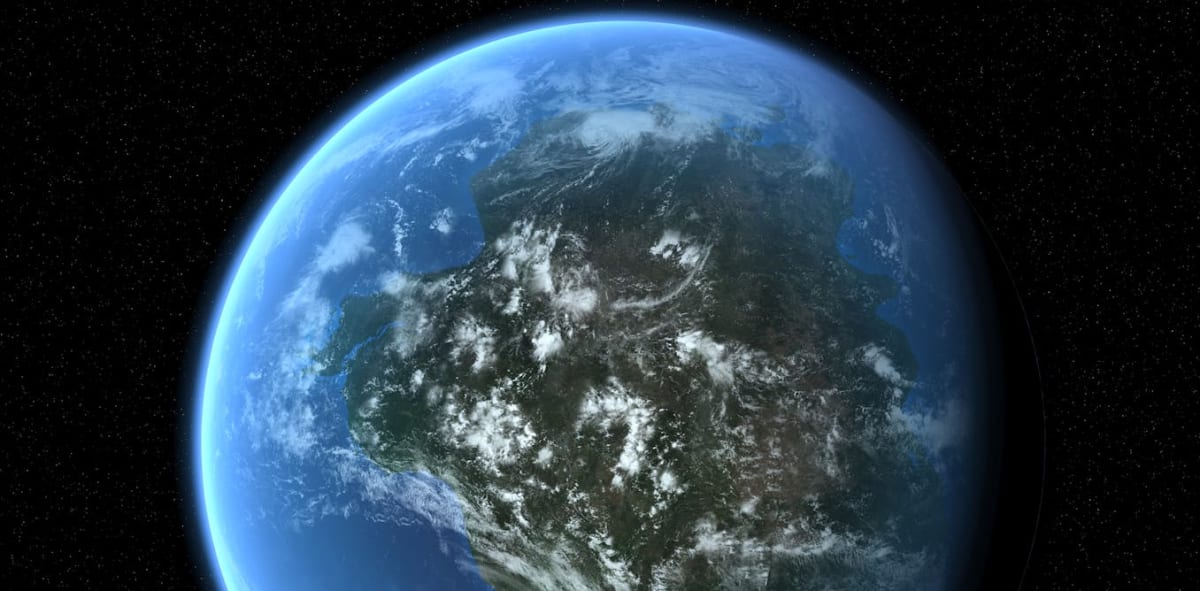
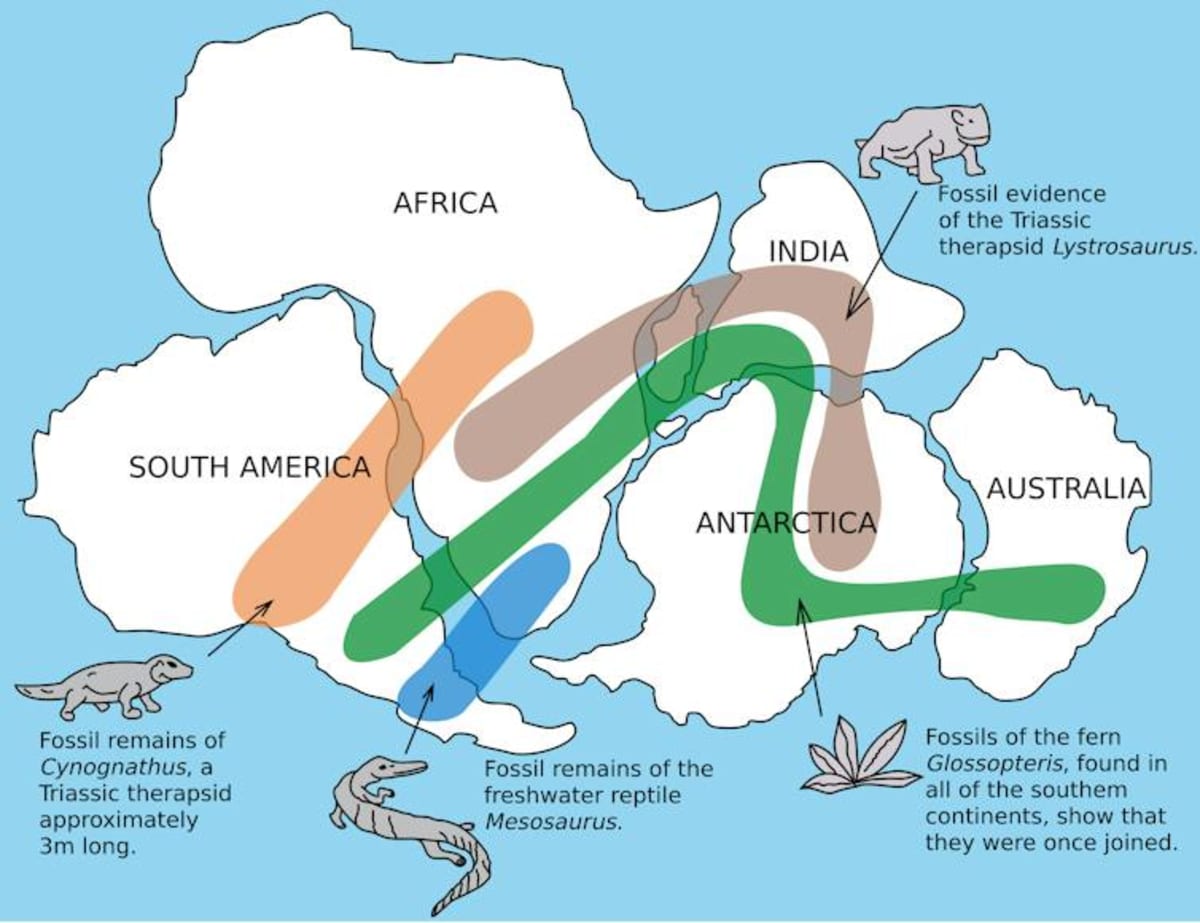
Gondwana existed 550 million years ago, dominating the Southern Hemisphere as a single enormous landmass. Austrian geologist Eduard Seuss first recognized it in 1885 after finding identical plant fossils in India, Australia, Africa, Antarctica, and South America, proving these continents were once connected.
But scientists have debated for decades whether Gondwana was big enough to be called a true supercontinent. The measurements kept falling short at just 64% of Earth's continental landmass, below the 75% threshold needed for official supercontinent status.
A research team making a global map of granite samples stumbled onto something extraordinary. Using radioactive isotope dating, they discovered that rocks buried deep under the Himalayas and stretching through China into Kazakhstan all came from the same ancient continental block.
This hidden piece of Gondwana had been covered by younger mountains and mistaken for ancient ocean floor. The new finding pushes Gondwana's size to roughly 80% of Earth's continental landmass, confirming it really was a supercontinent.
Why This Inspires
The timing of Gondwana's formation lines up perfectly with one of the most important events in Earth's history. Between 550 and 500 million years ago, life exploded across the planet in an event scientists call the Cambrian explosion.
When Gondwana's pieces finally came together, the planet had to reorganize its entire tectonic system. A massive chain of volcanoes formed around the supercontinent's edge, stretching nearly 35,000 kilometers like an ancient version of today's Pacific Ring of Fire.
These volcanoes pumped enormous amounts of water vapor and carbon dioxide into the atmosphere every single day for 50 million years. Present-day volcanoes release up to 4 million metric tons of water vapor and 370,000 tons of carbon dioxide daily, mostly from the Ring of Fire.
That constant volcanic activity transformed Earth's climate from a frozen icehouse to a warm greenhouse. The warming created conditions that allowed life to flourish and diversify for the first time in our planet's history.
Scientists can now connect the dots between continental collision, volcanic activity, climate change, and the birth of complex life. The same isotopes found in carbon, oxygen, and seawater all record this dramatic planetary shift happening at once.
What started as a geological puzzle about an ancient continent turned into the story of how our living world began.
More Images
Based on reporting by Google News - Science
This story was written by BrightWire based on verified news reports.
Spread the positivity!
Share this good news with someone who needs it