Scientists Pull 228-Meter Core From Beneath Antarctic Ice
A team of 29 researchers drilled through half a kilometer of ice in West Antarctica and extracted ancient mud containing fossils that prove the ice sheet completely disappeared in Earth's warmer past. The discovery could help predict how quickly seas will rise as our planet warms.
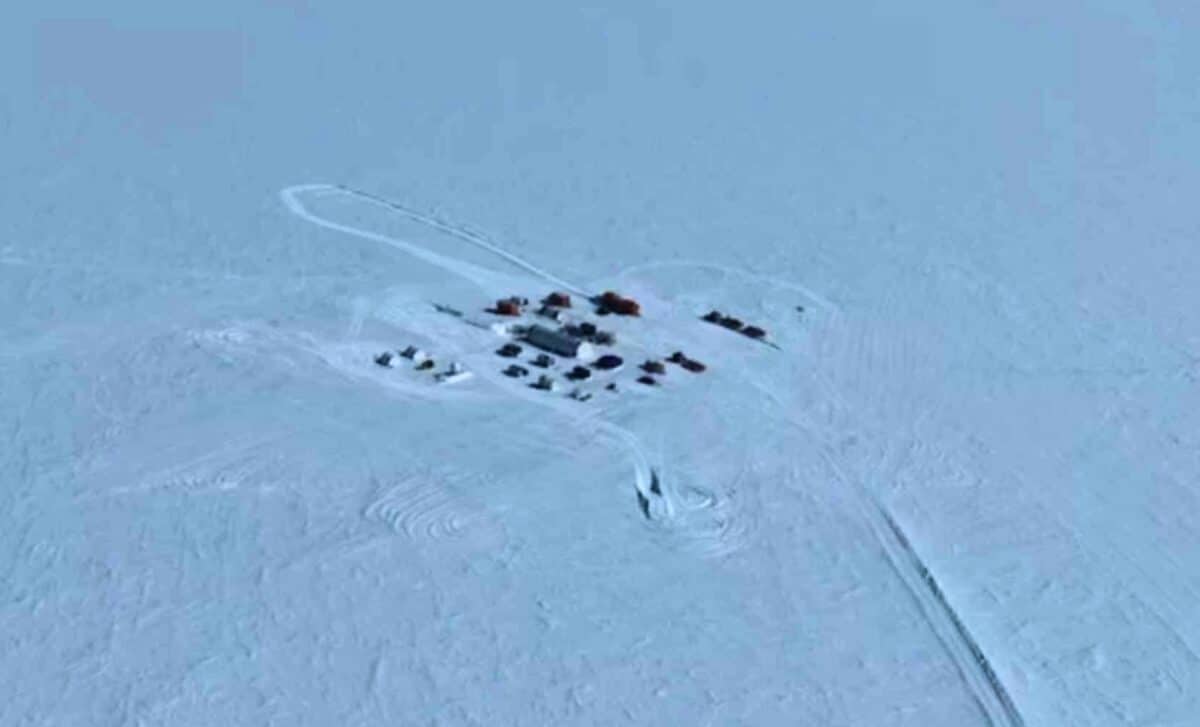
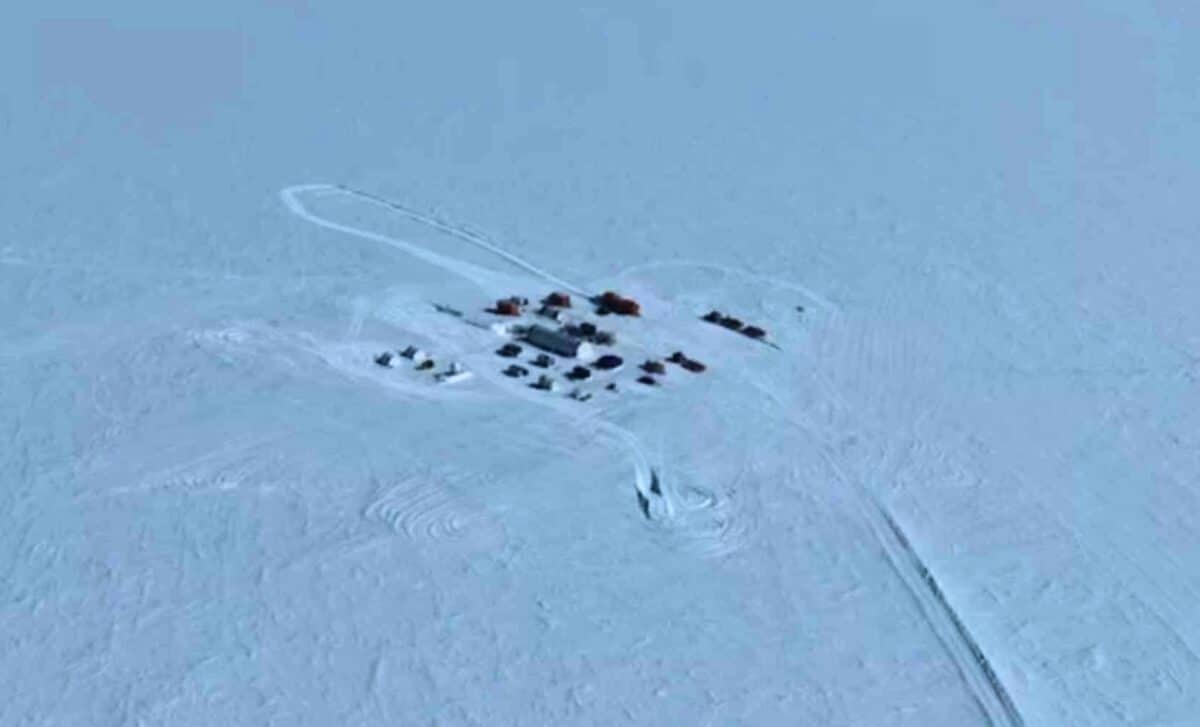
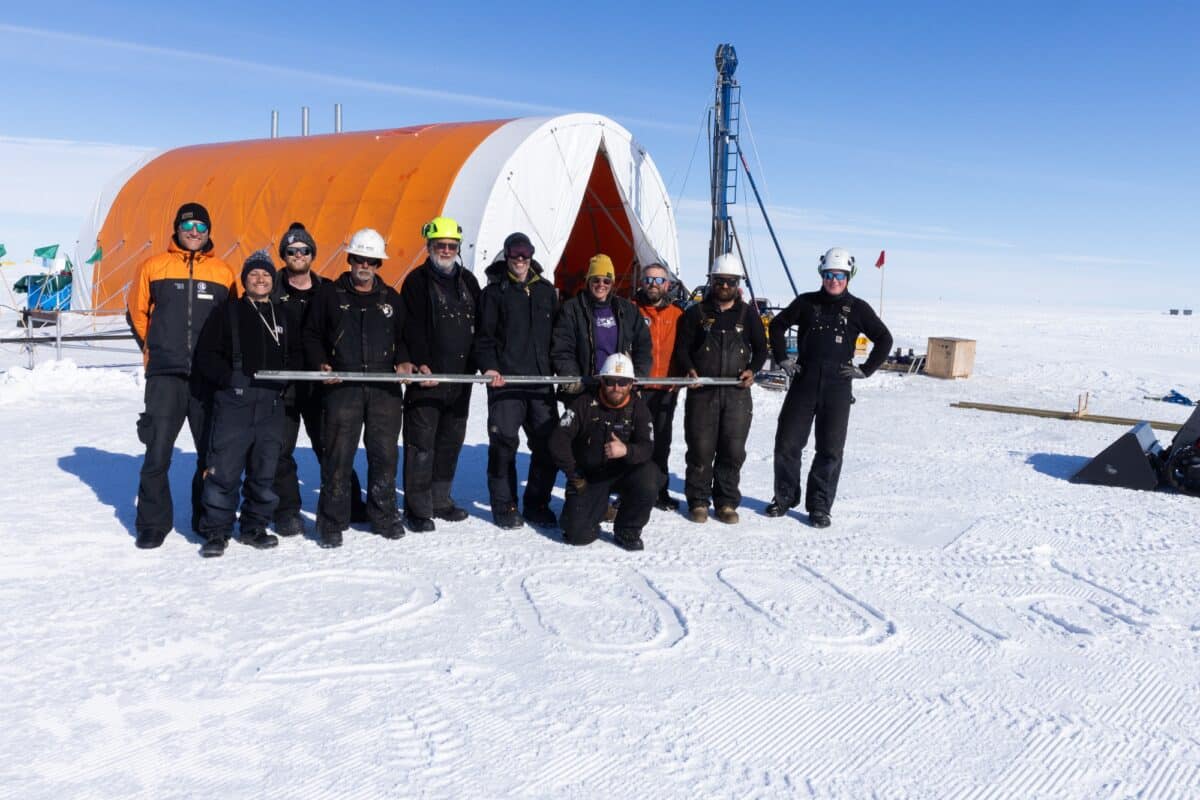
For ten weeks, 29 scientists camped on ice in one of Earth's most remote locations, more than 700 kilometers from the nearest Antarctic station. Their mission was to drill deeper into bedrock beneath Antarctic ice than anyone had before, and what they found changes our understanding of how the continent responds to heat.
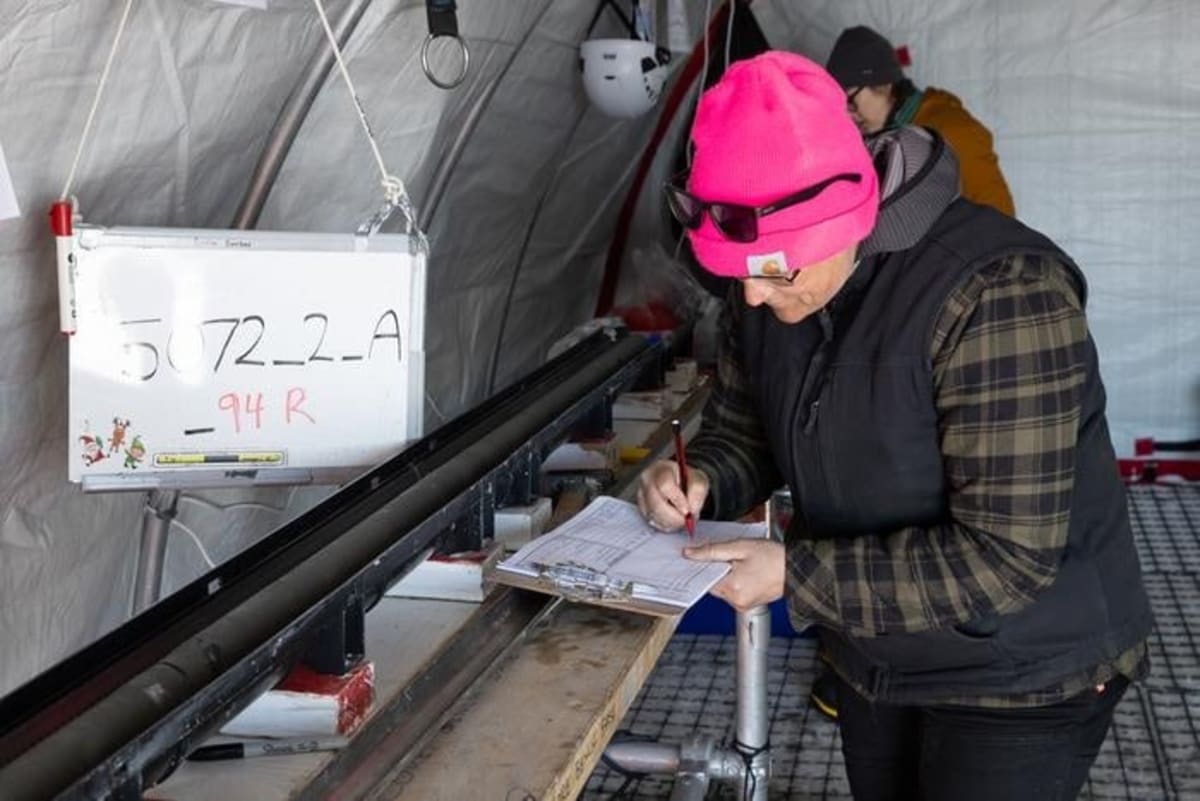
The SWAIS2C project team successfully extracted a 228-meter cylinder of mud and rock from beneath the Crary Ice Rise in West Antarctica. It's the deepest sediment core ever recovered from under an Antarctic ice sheet, and it holds 23 million years of climate history.
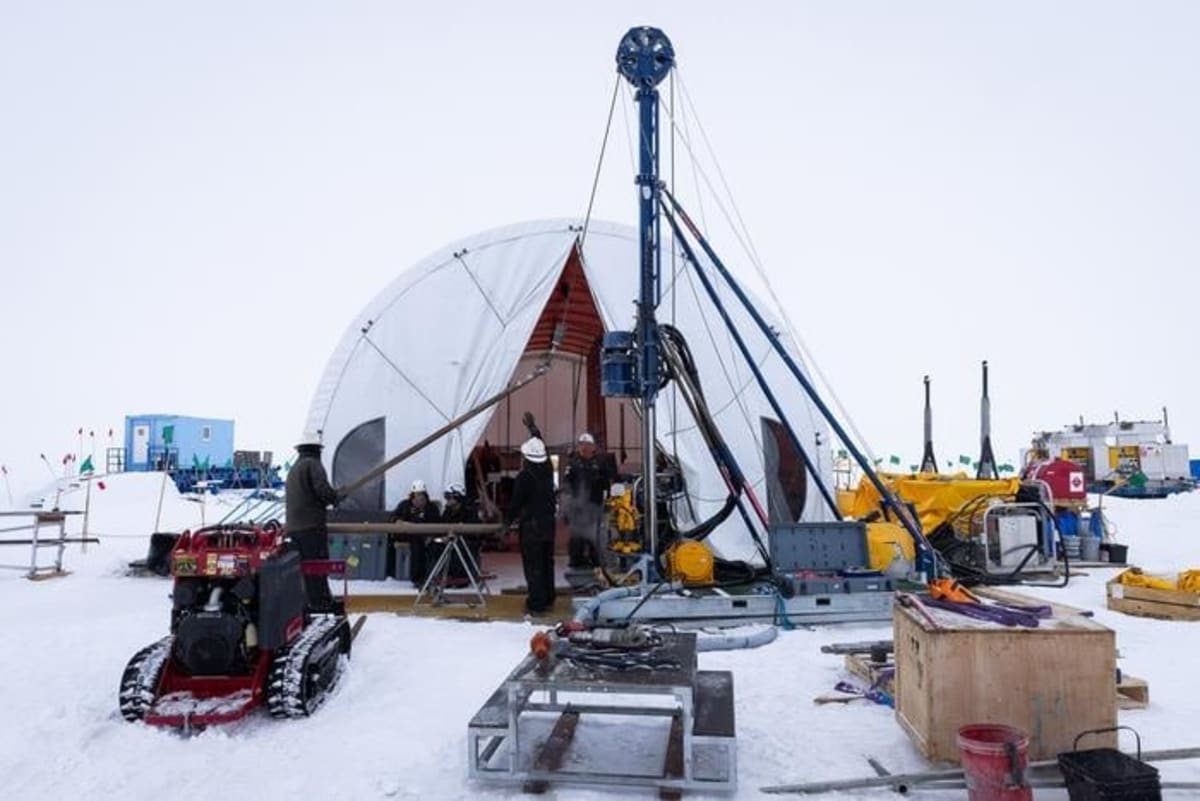
Getting there required melting through 523 meters of solid ice with hot water, then lowering over 1,300 meters of pipe to extract the sediment core three meters at a time. After two failed attempts on previous expeditions, the team finally succeeded on their third try.
The mud inside tells a story scientists didn't expect. Some layers contained coarse gravel typical of ice-covered ground, but other sections held fine mud with shell fragments and remains of marine organisms that need sunlight to survive.
"We saw material that's more typical of an open ocean," said Dr. Molly Patterson, co-chief scientist from Binghamton University. Where a 500-meter-thick ice sheet sits today, open ocean once existed under warmer skies.
The presence of light-dependent organisms proves the West Antarctic Ice Sheet has completely disappeared before during periods when Earth was only 2°C warmer than pre-industrial levels. That temperature threshold is alarmingly close to where we're headed today.
Why This Inspires
This breakthrough comes at exactly the right moment. The West Antarctic Ice Sheet holds enough frozen water to raise global sea levels by four to five meters if it melts completely, and satellite data shows Antarctica has been losing about 135 gigatons of ice every year since 2002.
Until now, climate models relied on geological records taken from coastlines or offshore drilling, not from directly beneath the ice itself. This core provides the ground truth scientists needed to improve their predictions.
The Crary Ice Rise location was chosen because ice rests directly on bedrock there, making it a sensitive indicator of ice sheet stability. The alternating layers of glacial debris and marine mud show the ice has advanced and retreated multiple times over millions of years, responding to temperature changes.
The core has been shipped to New Zealand, where more than 120 scientists from 50 research organizations across 10 countries will analyze it. They'll determine precise ages, measure past ocean temperatures, and identify exactly what conditions triggered previous ice sheet collapses.
"This record will give us critical insights about how the West Antarctic Ice Sheet is likely to respond to temperatures above 2°C," said Dr. Huw Horgan, co-chief scientist from Victoria University of Wellington. Understanding the past helps us prepare for the future, and this ancient mud gives us our clearest view yet of what happens when ice meets heat.
More Images
Based on reporting by Google News - Science
This story was written by BrightWire based on verified news reports.
Spread the positivity!
Share this good news with someone who needs it