Scientists Race to Save Okinawa's Ancient Seaweed Harvest
Researchers in Okinawa are using cutting-edge genomics and coral restoration to protect mozuku seaweed farming from rising ocean temperatures. The innovative approach combines traditional harvesting with modern science to secure a thriving future for this vital industry.
Scientists in Okinawa are pioneering a bold rescue mission to save an ancient seaweed harvest threatened by warming oceans.
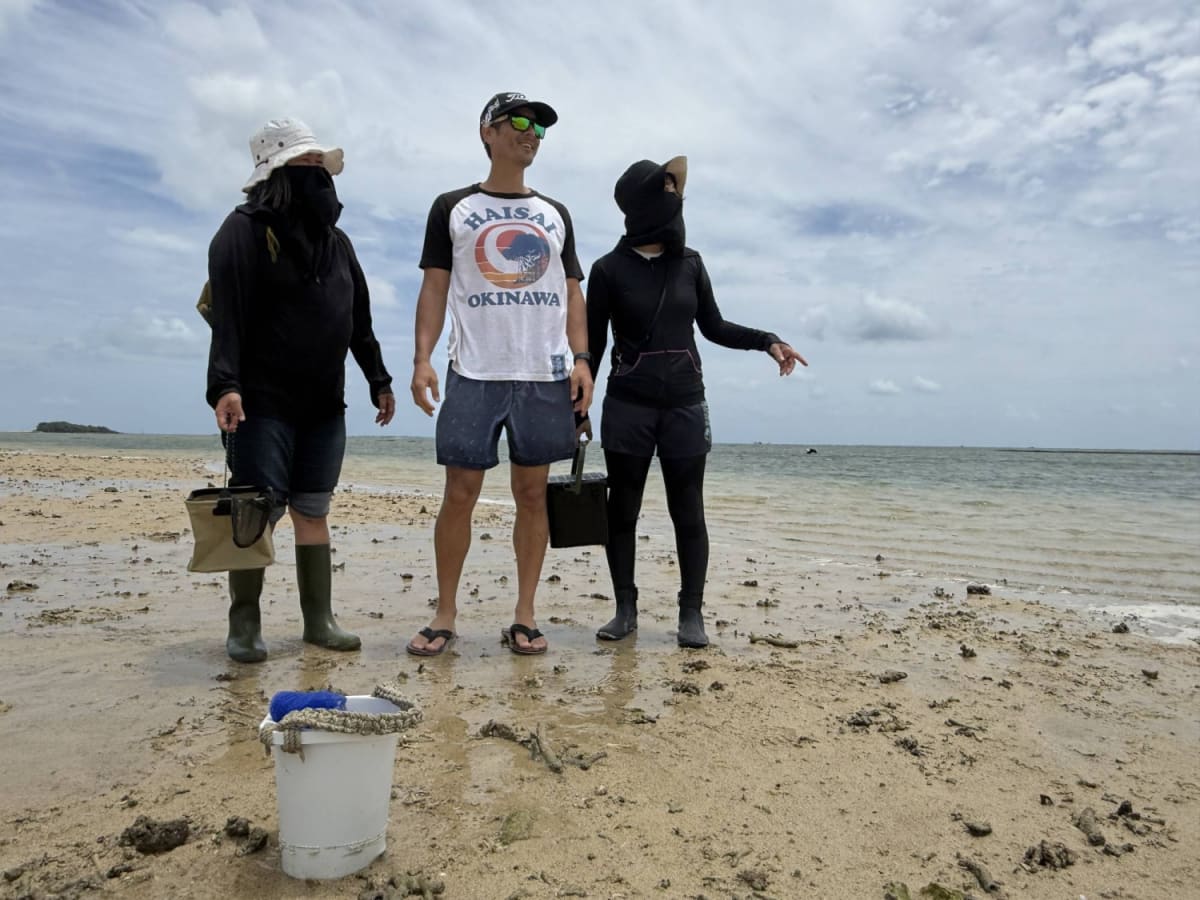
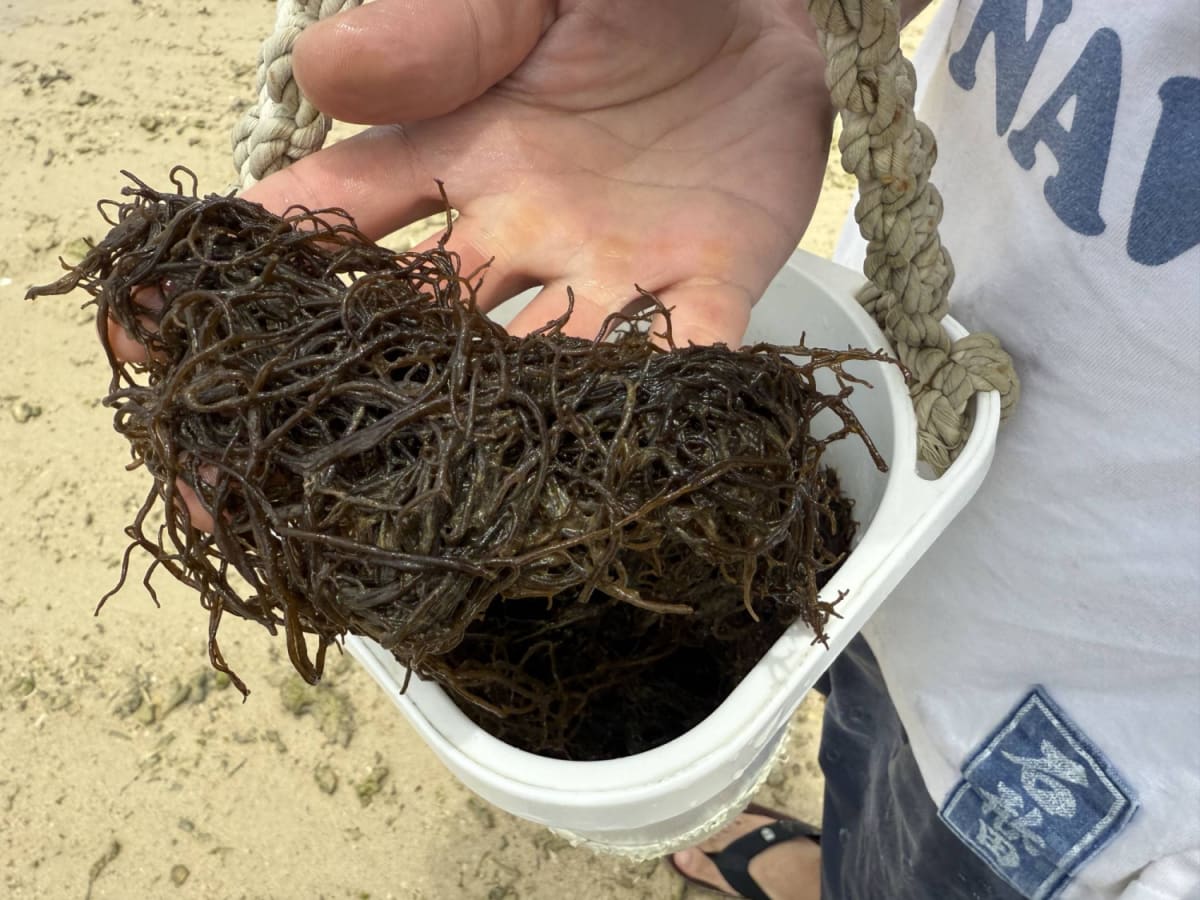
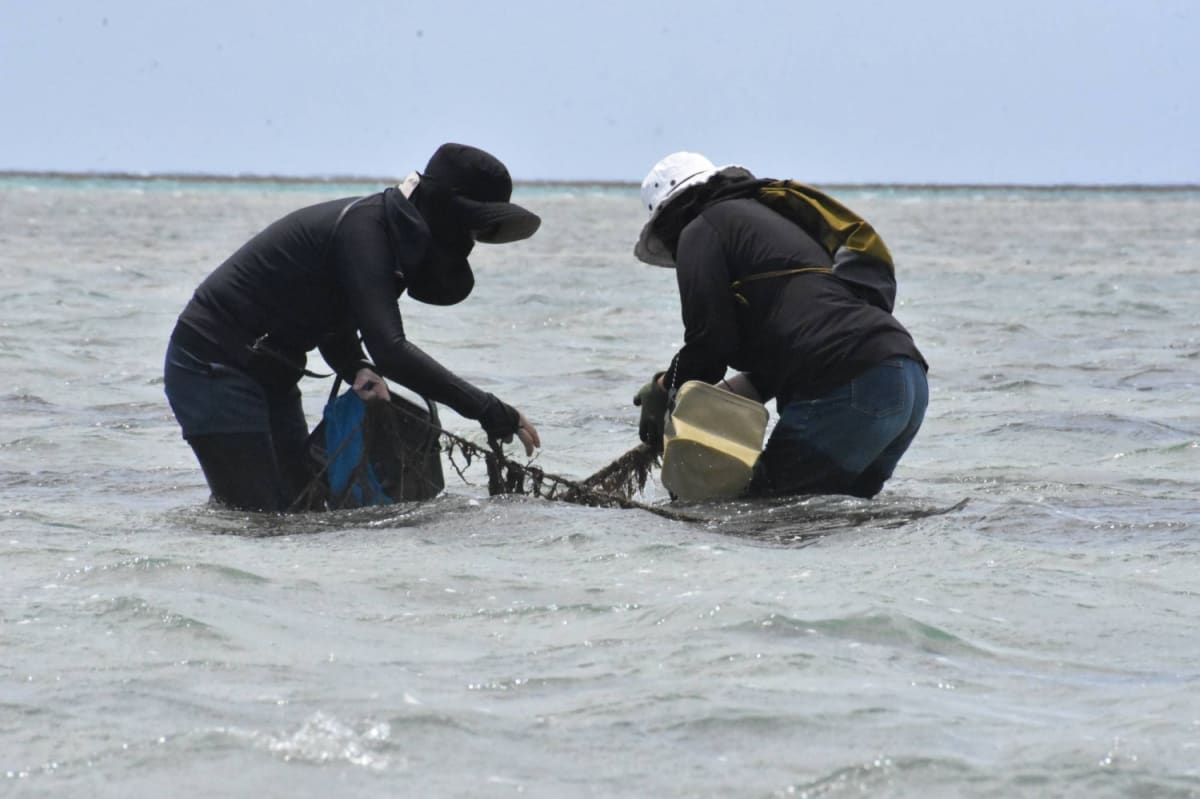
For generations, harvesters have waded through shallow reef waters collecting mozuku, the slippery brown seaweed that produces 99% of Japan's supply. But rising temperatures have made the tradition increasingly fragile, with harvests swinging wildly from 22,000 tons in good years to just 8,000 tons when waters heat up.
Now researchers are fighting back with an unexpected weapon: genomics. Koki Nishitsuji decoded the entire mozuku genome, making Okinawa a global leader in brown algae research. The breakthrough gives scientists tools to understand how the seaweed responds to temperature changes and potentially develop climate-resistant varieties.
"I realized that decoding the mozuku genome would allow us to address future climate change challenges," said Nishitsuji, now an associate professor at Fukui Prefectural University. When he started, only two brown algae species worldwide had been sequenced.
The work matters beyond preserving tradition. Mozuku contains high concentrations of fucoidan, a compound attracting interest from health food and cosmetics industries for its antioxidant properties. The seaweed also creates vital habitats for fish and other marine life throughout Okinawa's coastal waters.
The Ripple Effect
The rescue effort extends beneath the waves to the coral reefs that support mozuku cultivation. Fisheries cooperatives in Onna village now funnel seaweed profits into coral restoration projects, recognizing that healthy reefs create the stable conditions mozuku needs to thrive.
The strategy is working. Coral expert Parviz Tavakoli-Kolour noticed something encouraging during the severe 2024 bleaching event: some coral species showed greater tolerance than in previous years, suggesting they may be adapting to warmer conditions.
Local harvesters like Ken Mori, who has watched seasonal patterns grow more unpredictable over two decades, now have reason for optimism. The combination of genomic research, reef restoration, and emerging coral resilience offers multiple pathways to protect the harvest for future generations.
Science and tradition are joining forces to ensure that mozuku will continue appearing in bowls across Okinawa for decades to come.
More Images
Based on reporting by Japan Times
This story was written by BrightWire based on verified news reports.
Spread the positivity!
Share this good news with someone who needs it