Scientists Race to Save Prehistoric 'Biological Submarine
A creature that survived the asteroid that killed dinosaurs is getting a fighting chance in Northern Ireland, where scientists and communities are working together to protect the critically endangered European eel. These remarkable fish transform into living submarines for an epic Atlantic crossing that researchers are only beginning to understand.
A fish that outlived the dinosaurs is showing humans what true resilience looks like, and now scientists in Northern Ireland are making sure it survives our era too.
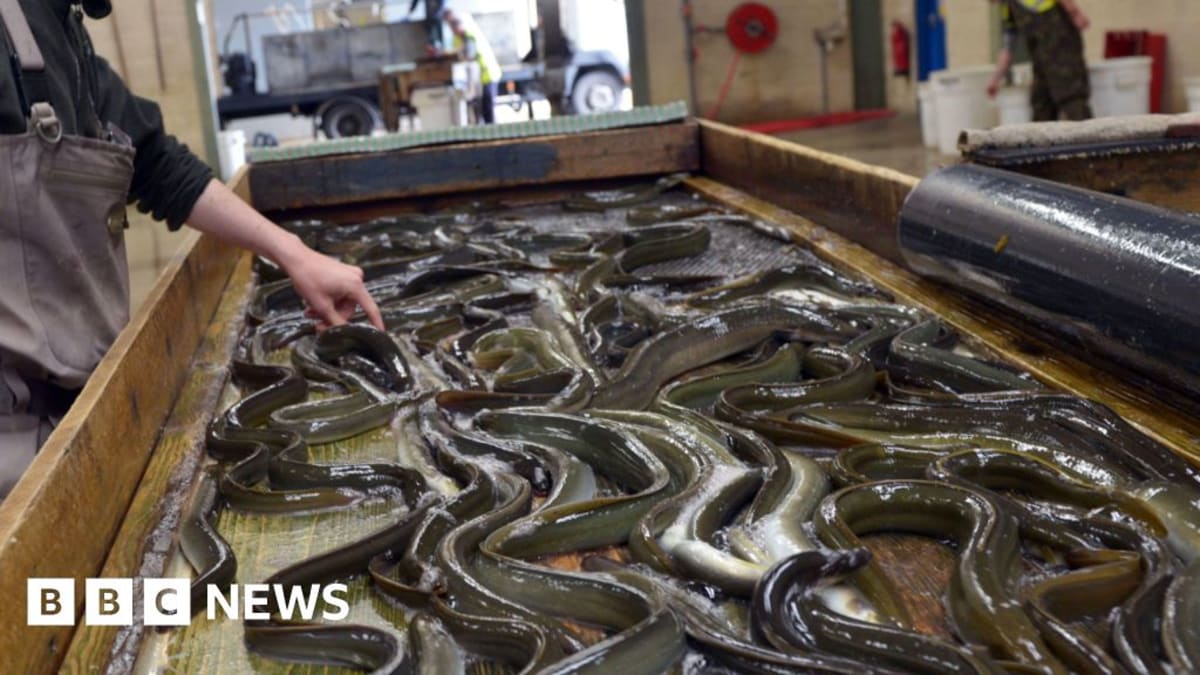
The European eel has been making an impossible journey for millions of years. It hatches in the Sargasso Sea near the United States, drifts across the Atlantic Ocean for up to three years as a tiny transparent baby, then finds its way to freshwater lakes like Lough Neagh where it grows for up to 20 years before swimming all the way back to spawn and die.
Professor Derek Evans from the Agri-Food and Biosciences Institute has spent years studying what he calls this "fascinating" species. What his team recently discovered makes the eel even more remarkable.
"As they prepare for their return journey, they go through incredible changes," Evans explained. "They become very dark on top, very white underneath. Their eyes get much bigger, their fins become rounded, and their backsides actually seal up like a biological submarine."
The transformation allows them to swim thousands of miles without eating, developing reproductive cells as they go. Norwegian researchers even found the eels have special cells in their eyes that detect Earth's magnetic field like a built-in GPS system.
But in the 1980s, something alarming happened. The number of young eels arriving at European freshwater bodies dropped from 14 million per year to just 200,000.
Scientists believe climate impacts, pollution, parasites, and overfishing combined to create the crisis. The species is now classified as critically endangered, prompting action across Europe.
Why This Inspires
Northern Ireland is stepping up to give this ancient survivor a chance. Agriculture Minister Andrew Muir announced new science-based protections for Lough Neagh's eel population last month, including temporary fishing restrictions to help stocks recover.
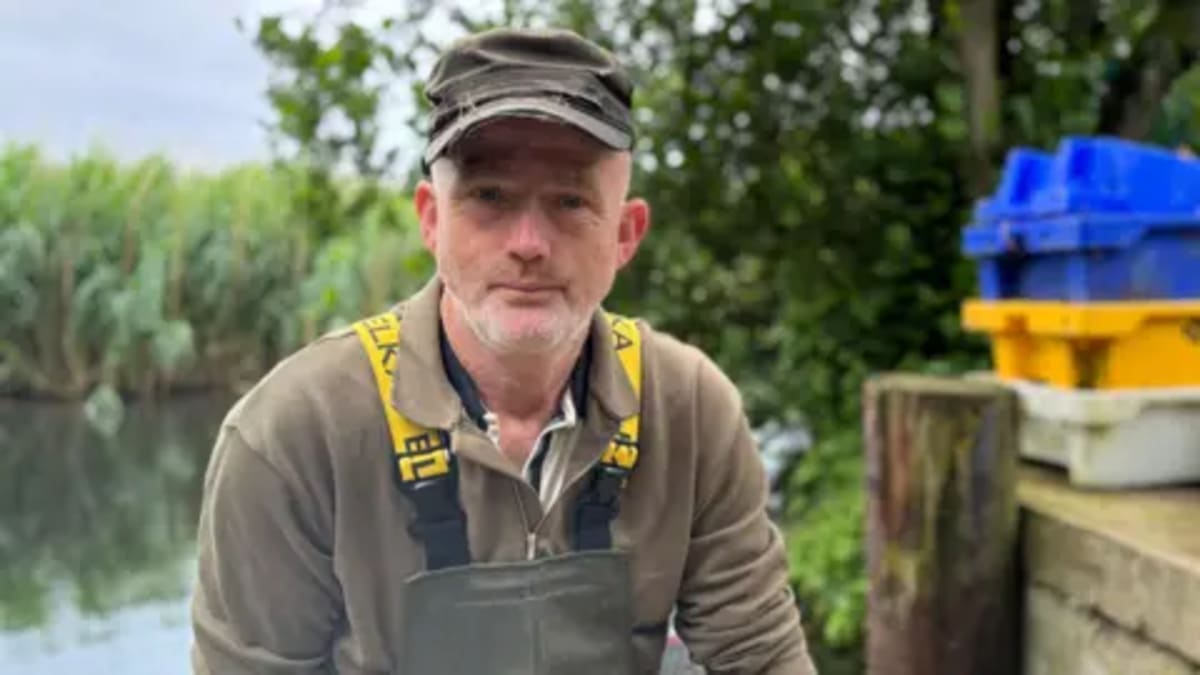
The Lough Neagh eel was Northern Ireland's first product to earn Protected Geographical Indication status from the EU, a point of pride for local fishing families. Gary McErlain represents the seventh generation of his family to fish these waters.
While the restrictions mean short-term sacrifice for fishing communities, the government is developing financial support to help families through the transition. Scientists, policymakers, and fishermen are working together on solutions that protect both the species and the people whose livelihoods depend on it.
The eel has survived ice ages and asteroid impacts over millions of years. Thanks to people who care enough to make hard choices, it's getting the protection it needs to survive the challenges of our time too.
More Images

Based on reporting by BBC Science
This story was written by BrightWire based on verified news reports.
Spread the positivity!
Share this good news with someone who needs it