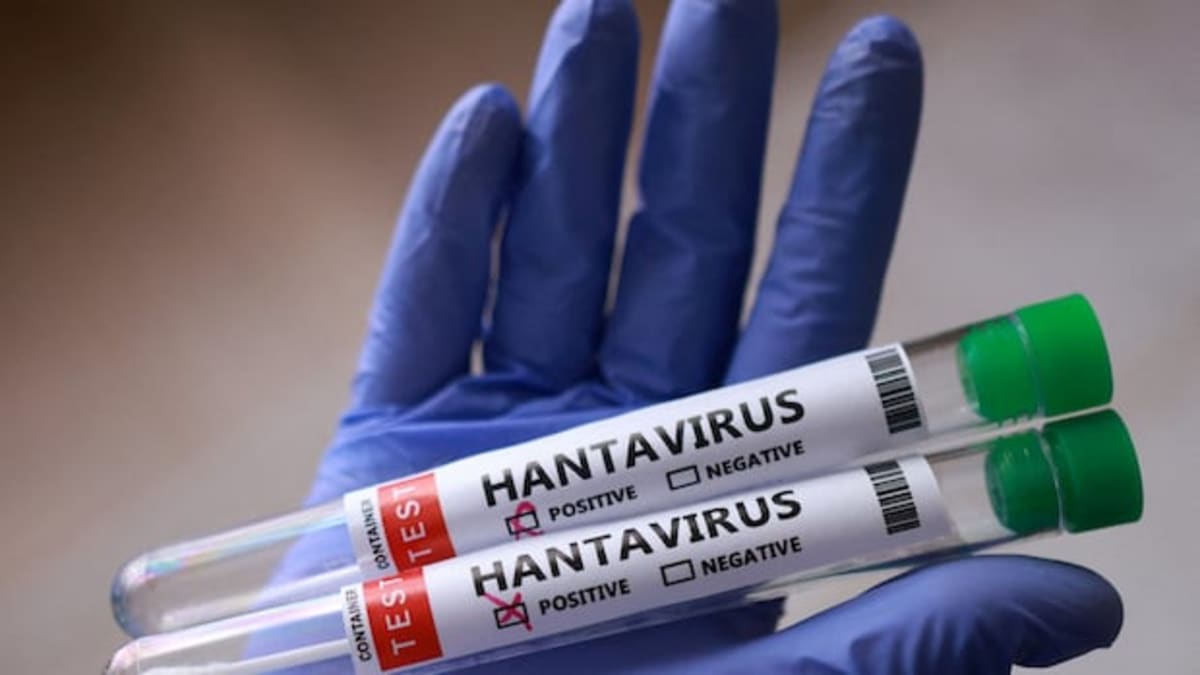
Scientists Race Toward First Hantavirus Vaccine
After decades of neglect, multiple research teams worldwide are finally developing vaccines for hantavirus, with some entering animal trials this summer. What was once considered uncommercial is now gaining momentum, potentially protecting millions in affected regions within years.
Scientists are closer than ever to creating the world's first hantavirus vaccine, bringing hope to communities where this rare but serious illness appears.
Multiple research teams across three continents are now racing to develop protection against a disease that has gone without a vaccine for decades. Some projects have already shown promising results in early testing.
Dr. Asel Sartbaeva's team at the University of Bath achieved a major milestone two years into their work. Their vaccine created strong immunity in laboratory tests with zero side effects, proving the concept actually works.
"If we can get something out in three to four years, I will be very happy," Sartbaeva said. Her team plans to begin the next phase of testing soon.
The momentum isn't limited to one lab. Moderna partnered with the U.S. Army Medical Research Institute and Korea University on their own hantavirus vaccine candidates. Meanwhile, researchers at Canada's Vaccine and Infectious Disease Organization will start animal trials this summer for strains found in the Americas.
Why This Inspires
For years, hantavirus vaccine development stalled because pharmaceutical companies saw no profit in helping populations who couldn't afford expensive treatments. That's changing now as researchers prioritize human need over commercial interest.
The shift represents something bigger than one disease. When scientists choose to tackle neglected illnesses affecting vulnerable communities, they're proving that medical progress doesn't have to follow only the money.
These vaccines could eventually protect people living in areas where hantavirus circulates naturally, plus travelers heading to those destinations. What seemed impossible just a few years ago is now moving from lab benches toward real-world protection.
Multiple pathways to a solution mean better odds that at least one approach will succeed, giving communities their first real defense against a disease that's threatened them for generations.
More Images


Based on reporting by Google News - Disease Cure
This story was written by BrightWire based on verified news reports.
Spread the positivity!
Share this good news with someone who needs it