Scientists Rally in 50+ Cities to Defend Research Funding
More than 2,000 scientists and supporters gathered in Washington, D.C., as part of a nationwide movement that spread to over 50 cities. The growing protests show researchers standing up for science amid funding threats and policy changes.
Scientists are taking to the streets in record numbers, and their message is resonating across America.
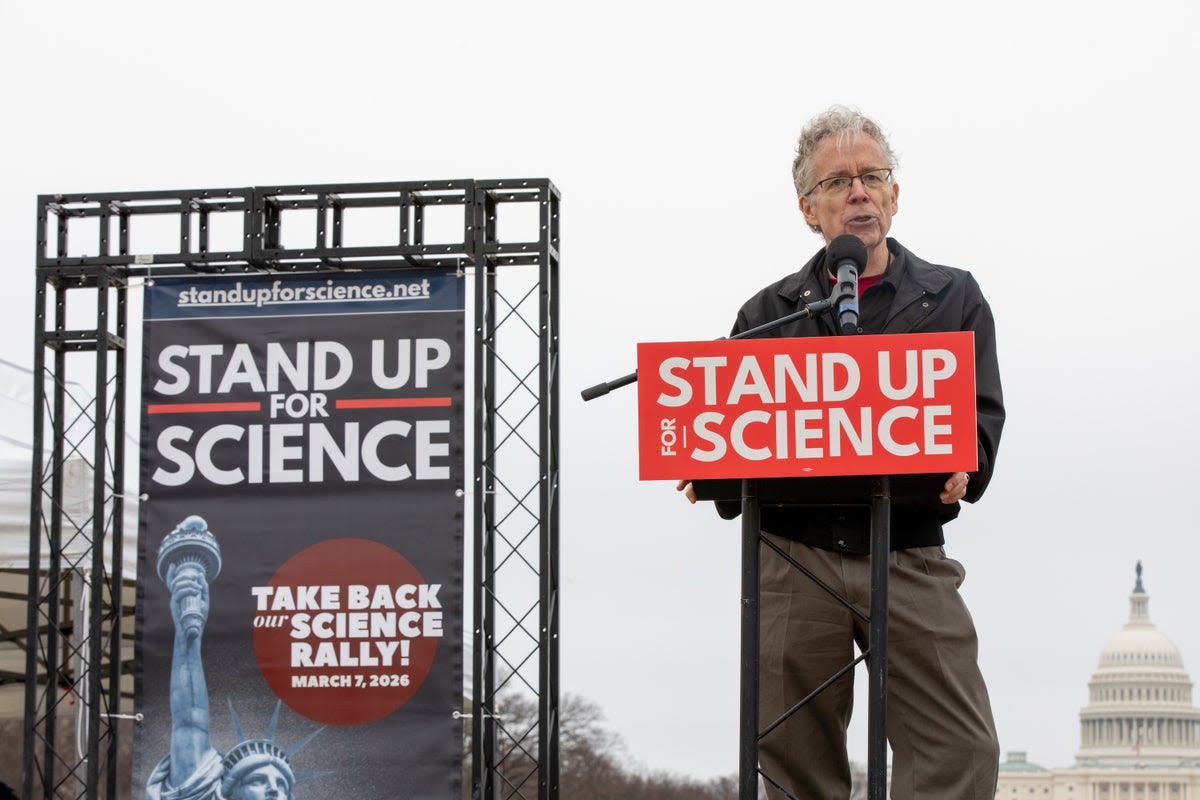
Over 2,000 people gathered on the National Mall in Washington, D.C., for the second annual Stand Up for Science rally on March 7, 2026. Similar protests took place in more than 50 cities nationwide, up from just a dozen cities last year, showing a growing movement of researchers, advocates, and citizens defending scientific integrity.
The rallies come as U.S. science agencies have lost more employees in the past year than in the previous two decades combined. An estimated 10,000 Ph.D.-level experts in technical fields have left federal positions through retirements, firings, or buyouts, according to Science magazine.
Speakers at the D.C. rally included government scientists like Jenna Norton from the National Institute of Diabetes and Digestive and Kidney Diseases. Norton, who filed a whistleblower complaint after being placed on administrative leave, told the crowd that speaking out about threats to scientific integrity matters for the country's future.
Steve Volz, former head of NOAA's satellite division, also addressed protesters about concerns over privatizing federal weather reports. Young researchers from the National Institutes of Health shared their experiences as their union faces potential derecognition.
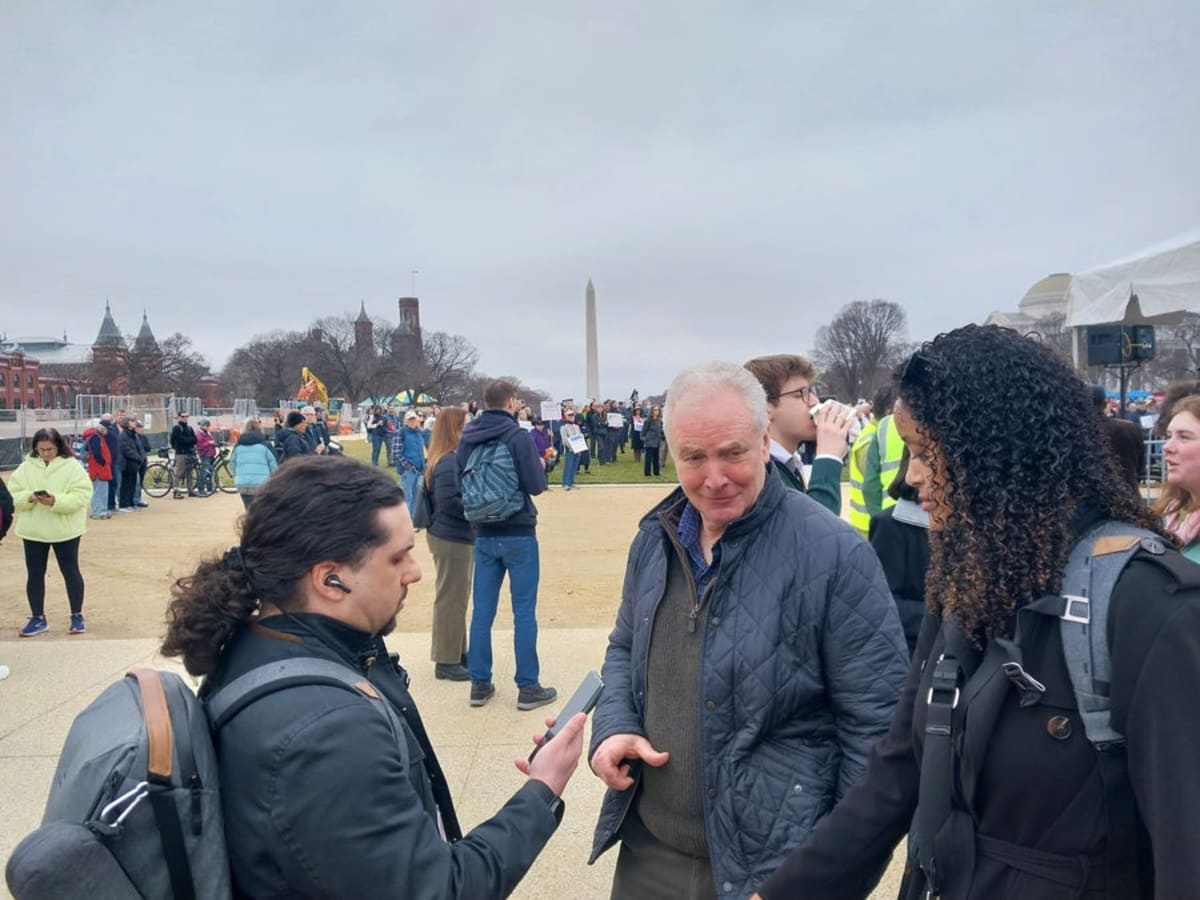
The protests featured creative touches like a giant inflatable duck symbolizing "quack" medicine and hundreds of handmade signs. Democratic Senator Chris Van Hollen of Maryland and conservative lawyer George Conway joined the speaker lineup, showing bipartisan concern for scientific research.
The Bright Side: The mobilization is working. Congress stepped back from catastrophic cuts to science funding that were proposed in 2025, calling it a "ray of sunshine" according to Van Hollen. Lawmakers have written protections into law requiring science funding be spent on its intended research purposes.
Dana Fisher, a sociologist at American University who studies protests, notes that scientists defending research has become a rallying cry for broader civic engagement. The movement reflects growing public awareness about the importance of independent scientific research.
The protests demonstrate something powerful: when researchers step out of their labs and into public squares, people listen. Communities across the country are showing up to support the scientists working to advance medical treatments, predict weather patterns, and tackle challenges from disease to climate.
This growing movement proves that science advocacy matters, and citizens care about protecting research that serves the public good.
More Images


Based on reporting by Scientific American
This story was written by BrightWire based on verified news reports.
Spread the positivity!
Share this good news with someone who needs it