Scientists Rally to Save Corals After 2023 Heat Wave
After losing 99.9% of transplanted corals in Florida's 2023 marine heat wave, researchers aren't giving up. They're using advanced science to build heat-resistant corals that can survive our warming oceans.
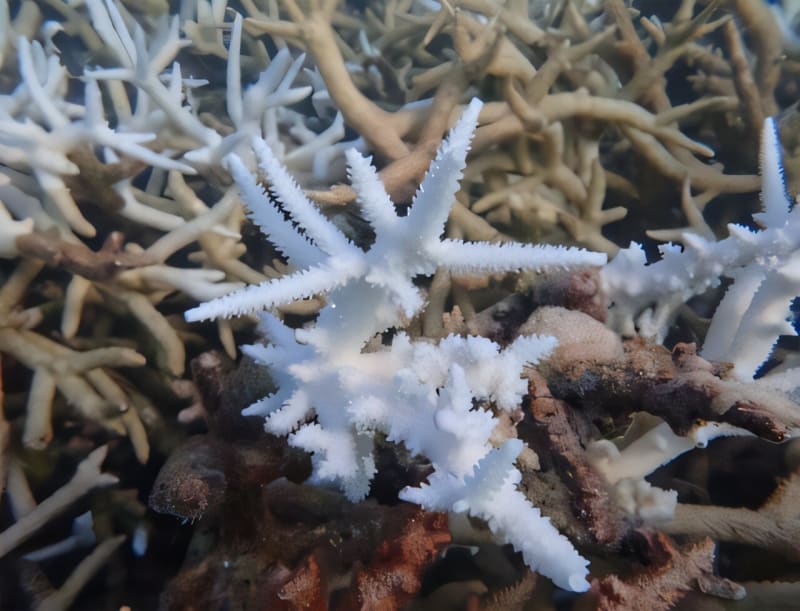
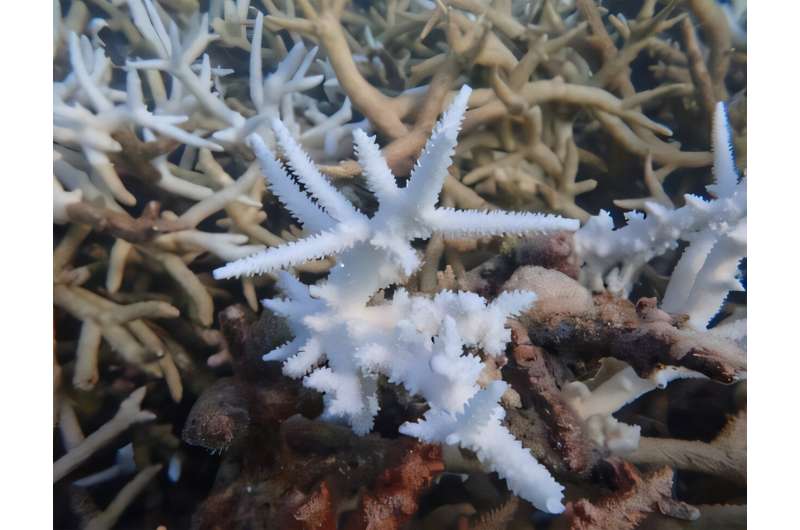
When Maya Gomez dove back to check on coral transplants in the Florida Keys in 2023, her heart sank. The vibrant orange-brown staghorn corals she and her team had carefully planted months earlier were bone white and dying.
A record-breaking marine heat wave had pushed ocean temperatures to their highest levels in over 150 years. The heat stressed the corals so badly they expelled the colorful algae that feed them, leaving behind ghostly white skeletons.
By November 2023, only three of the 200 corals planted in the Lower Keys survived. In Dry Tortugas National Park, 99.9% of more than 500 transplanted staghorn corals died.
The heat wave nearly wiped out two critical coral species—staghorn and elkhorn corals—across Florida's reefs. These fast-growing corals build the structures that shelter a quarter of all marine life and protect coastlines from storm damage.
Healthy coral reefs can absorb up to 97% of a wave's energy, safeguarding coastal communities from erosion and flooding. When corals die, entire ocean ecosystems and human communities lose vital protection.
Gomez, a PhD student at USC, described the devastation as "shock and heartbreak and dread." Years of painstaking work by passionate researchers vanished in weeks.
The Bright Side
But here's where the story takes a hopeful turn. Instead of abandoning coral restoration, scientists are getting smarter about it.
Researchers like Jenna Dilworth say the tragedy taught them a crucial lesson. Simply transplanting corals and hoping they survive isn't enough anymore.
Teams are now developing advanced strategies to breed and grow corals that can withstand higher temperatures. They're identifying heat-resistant coral strains and using scientific techniques to make future generations stronger.
The Cnidarian Evolutionary Ecology Lab at USC and partner institutions like Mote Marine Laboratory are leading this charge. They're combining years of field data with cutting-edge research to save these essential species.
Their goal is clear: create corals tough enough to survive in warming oceans. If they succeed, these resilient corals could rebuild Florida's reefs and restore the ecosystems that millions of marine species call home.
The 2023 heat wave was devastating, but it sparked a scientific revolution in coral conservation that could save these ancient animals for generations to come.
More Images


Based on reporting by Phys.org
This story was written by BrightWire based on verified news reports.
Spread the positivity!
Share this good news with someone who needs it