Scientists Record Borneo Rainforest Before City Transforms It
Researchers are capturing the sounds of gibbons, hornbills, and frogs in Indonesian Borneo before the country's new capital city changes the landscape forever. The recordings will preserve both wildlife data and Indigenous knowledge for future generations.
Deep in the forests of East Kalimantan, Indonesian Borneo, scientists are racing against time to capture something precious: the voice of a vanishing world.
Researchers from Cornell University have placed audio recorders across 20 sites around Pemaluan, from mountain peaks to cave entrances to mangrove swamps. Over 18 months, they've collected the calls of gibbons greeting the dawn, the booming cries of great argus pheasants, and the chorus of frogs and insects that fill the tropical nights.
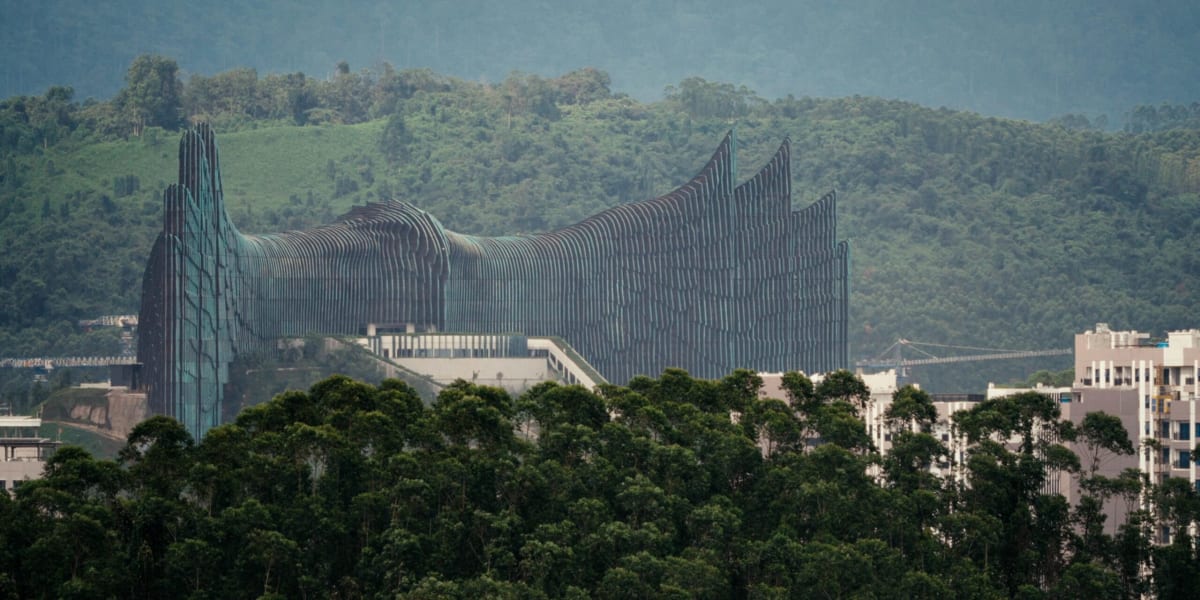
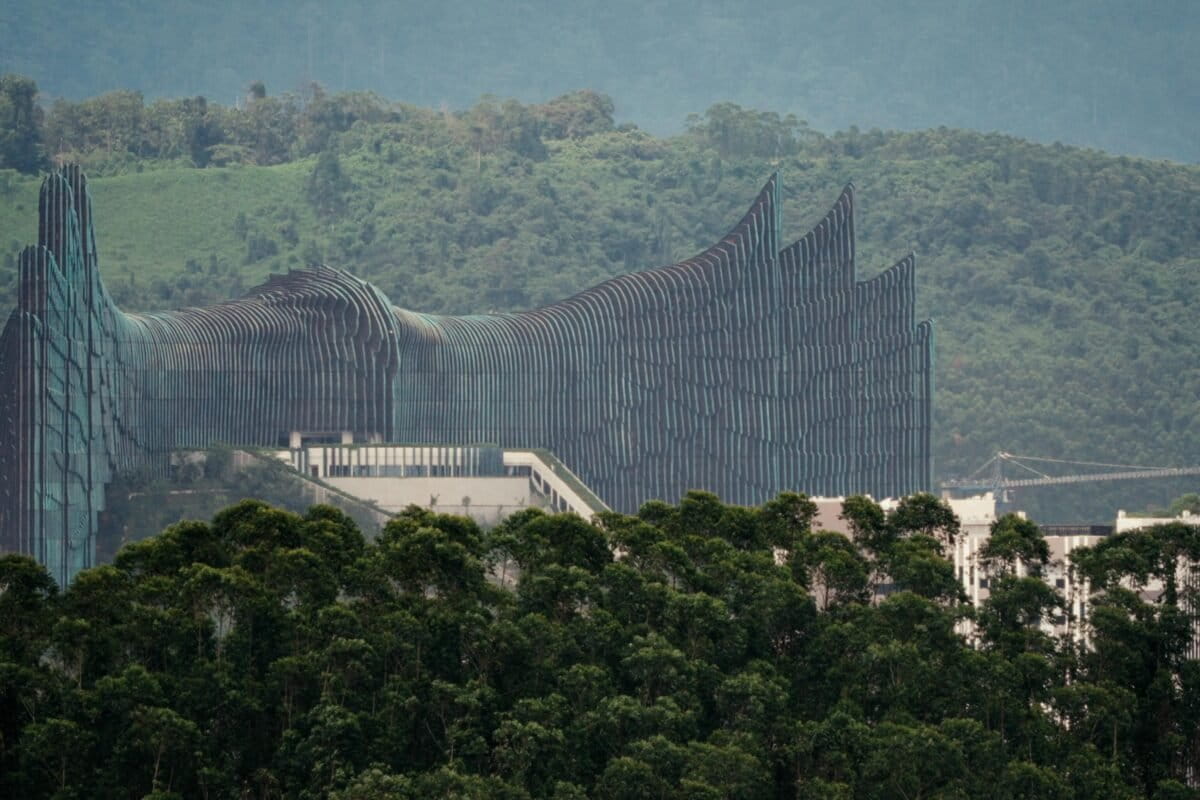
Their mission is urgent. Indonesia is building Nusantara, a brand new capital city designed to relieve pressure on sinking, overcrowded Jakarta. Roads now cut through former forest, apartment buildings rise where trees once stood, and the sounds of construction and chainsaws are replacing birdsong.
The timing of this project matters. These recordings create a baseline that scientists can compare against future conditions, showing exactly where species remain, where they decline, and whether wildlife is adapting by moving to new areas. The data could guide conservation efforts to the places that need protection most.
But the project is capturing something beyond science. The Indigenous Balik people have lived in these forests for generations, reading animal calls like a language. Gibbons told them when dawn approached, while the great argus pheasant held deep cultural significance in their traditions.
Abidin, a lifelong Pemaluan resident, helped researchers select recording sites and shared generations of forest knowledge. He worries his children may soon need to adapt to urban life without the skills or education to thrive there. He hopes these recordings will help him teach them about the forest they're inheriting.
Some younger Balik children no longer recognize the call of the great argus. By recording both animal sounds and the voices of elders explaining their meaning, the project preserves knowledge that risks disappearing as the forest transforms.
The Bright Side
The researchers are realistic about what they can achieve. They don't expect to stop the city's construction, and recordings can't replace a living forest. But they're creating something invaluable: evidence of what existed and documentation of how ecosystems respond to change.
Indonesia's planners envision Nusantara as a "smart forest city" where development and biodiversity coexist. These recordings will show whether that vision becomes reality. They'll reveal which species prove resilient, which habitats matter most, and what conservation strategies actually work when cities expand into wild places.
The data could inform urban planning not just in Indonesia but anywhere cities grow into natural landscapes.
For the Balik people, the recordings offer something equally precious: voices and knowledge preserved even if they become harder to encounter in the forest itself.
More Images
Based on reporting by Mongabay
This story was written by BrightWire based on verified news reports.
Spread the positivity!
Share this good news with someone who needs it