Scientists Recreate 3,500-Year-Old Egyptian Scents
Museums are bringing ancient history to life through smell, letting visitors experience the exact aromas used in Egyptian mummification 3,500 years ago. The breakthrough uses molecular archaeology to recreate scents from chemical traces left on ancient artifacts.
Imagine walking into a museum and smelling exactly what an ancient Egyptian noble experienced during their journey to the afterlife. Thanks to molecular archaeology, that sensory time travel is now possible.
Scientists at the Max Planck Institute have developed a groundbreaking way to recreate ancient scents from chemical fingerprints left on historical objects. Their first major project focused on the mummification balms used to embalm Senetnay, a noblewoman from 1450 BCE who was part of the pharaoh's inner circle.
Dr. Barbara Huber and her team analyzed residues from two canopic jars that once held Senetnay's organs. They discovered a sophisticated blend of beeswax, plant oils, larch resin, bitumen, and dammar tree resin. Many of these ingredients came from far beyond Egypt's borders, revealing extensive trade networks that existed over three millennia ago.
The real challenge came in translating molecular data into an actual smell people could experience. Perfumer Carole Calvez worked with the scientific team to create formulations that captured not just individual chemical components but the complete olfactory experience. "The perfumer must translate chemical information into a coherent experience that evokes the complexity of the original material," Calvez explained.
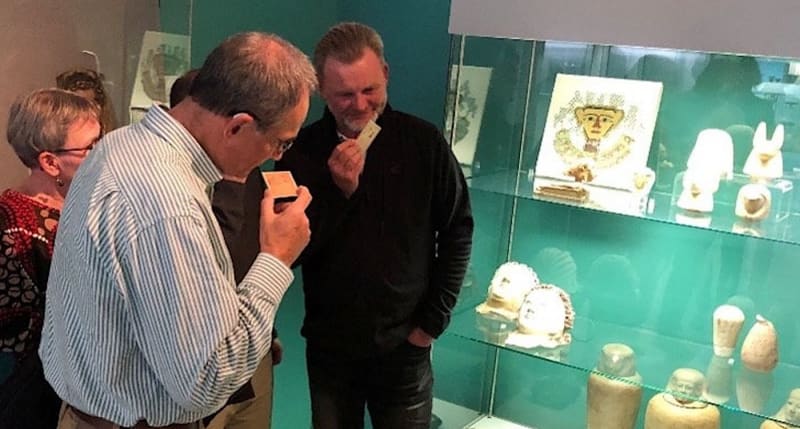
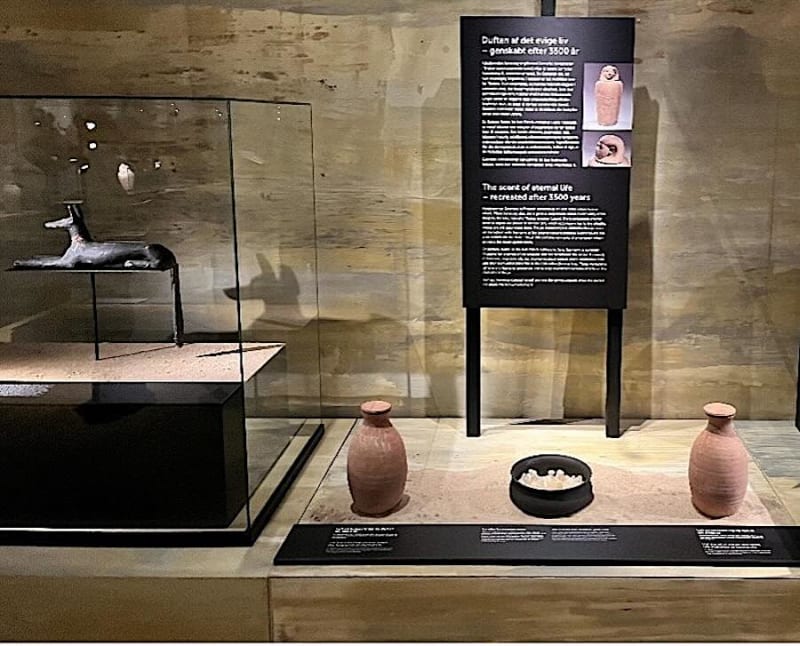
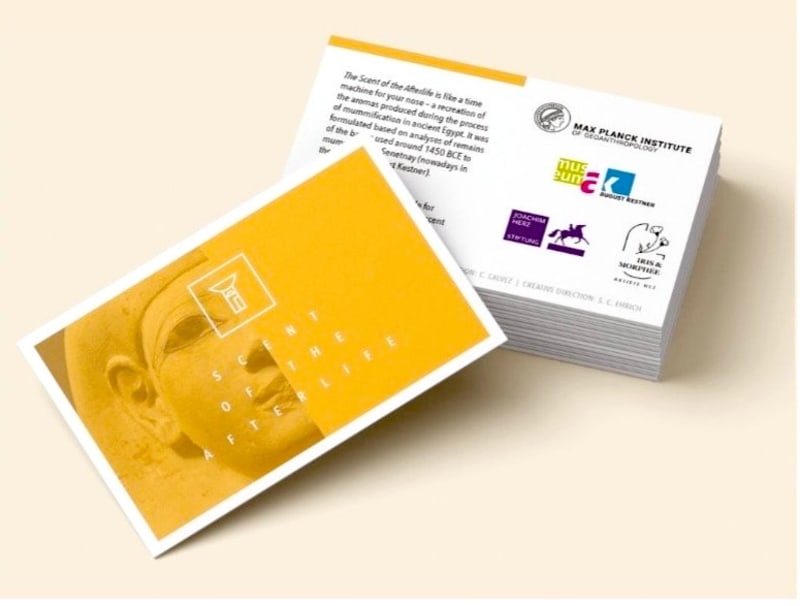
Two German museums now offer visitors this sensory journey into the past. The Museum August Kestner in Hanover created scented cards called "The Scent of the Afterlife" that have become essential parts of guided tours. The Moesgaard Museum in Aarhus installed a fixed scent diffusion station for their Ancient Egypt exhibition.
Why This Inspires
This innovation transforms how we connect with history. Instead of just reading about ancient practices or viewing artifacts behind glass, visitors can engage with the past through their senses.
Dr. Steffen Terp Laursen, curator at Moesgaard Museum, witnessed the impact firsthand. "The scent station transformed how visitors understood embalming. Smell added an emotional and sensory depth that text labels alone could never provide."
The approach also shifts perspectives on mummification itself. Rather than focusing on the macabre aspects often emphasized in popular culture, the scents help visitors understand the care, skill, and intention behind these ancient practices. The expensive imported ingredients used for Senetnay demonstrate how much ancient Egyptians valued the journey to the afterlife.
Professor Nicole Boivin notes that the international ingredients in Senetnay's balm highlight both her importance and Egypt's far-reaching connections. "The ancient Egyptians were sourcing materials from beyond their realm from an early date," she said.
The team's work opens possibilities beyond Egyptian mummification. Any ancient object that retained molecular traces of aromatic substances could potentially be recreated, from medieval perfumes to ancient incense used in religious ceremonies. Museums worldwide now have a powerful new tool for making history feel immediate and real.
Sometimes the most profound connections to our ancestors come not through words or images, but through a single breath of air that bridges thousands of years.
More Images


Based on reporting by Good News Network
This story was written by BrightWire based on verified news reports.
Spread the positivity!
Share this good news with someone who needs it