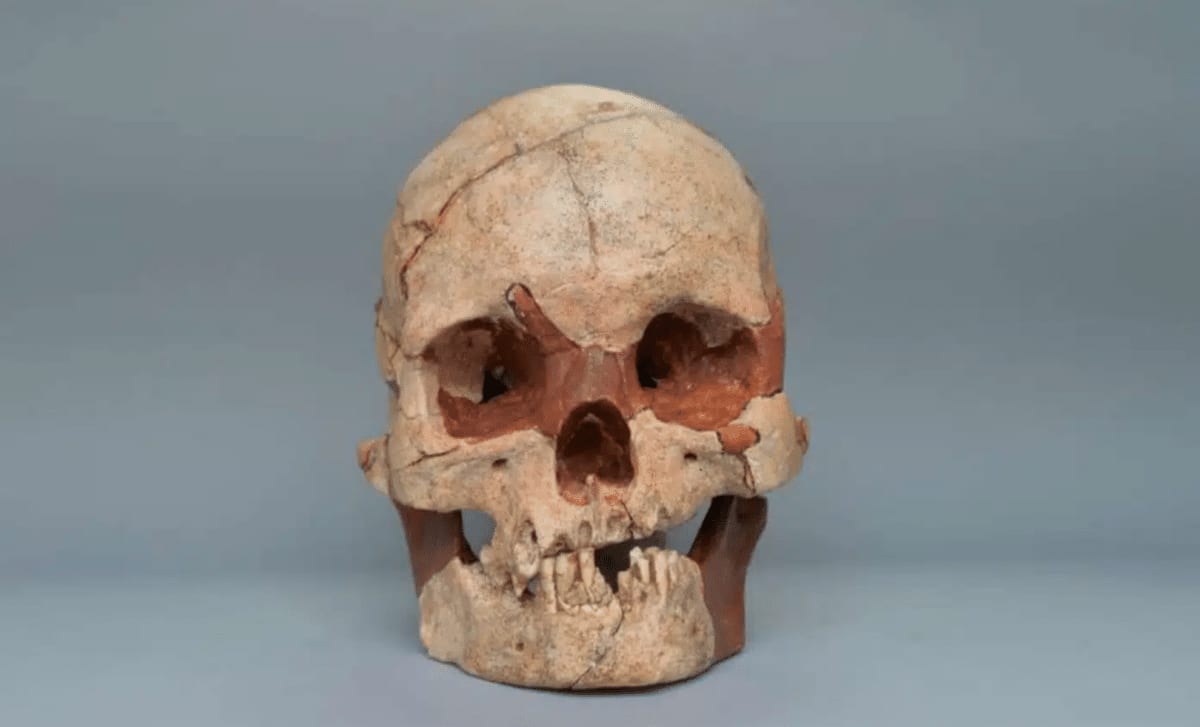
Scientists Reveal 16,000-Year-Old Face From Chinese Cave
Researchers have reconstructed the face of a woman who lived 16,000 years ago using a perfectly preserved skull found in southern China. The breakthrough reveals how our ancient ancestors looked and moved across Asia during the Stone Age.
A woman who walked the earth 16,000 years ago just got her face back, thanks to cutting-edge technology and a remarkably intact skull.
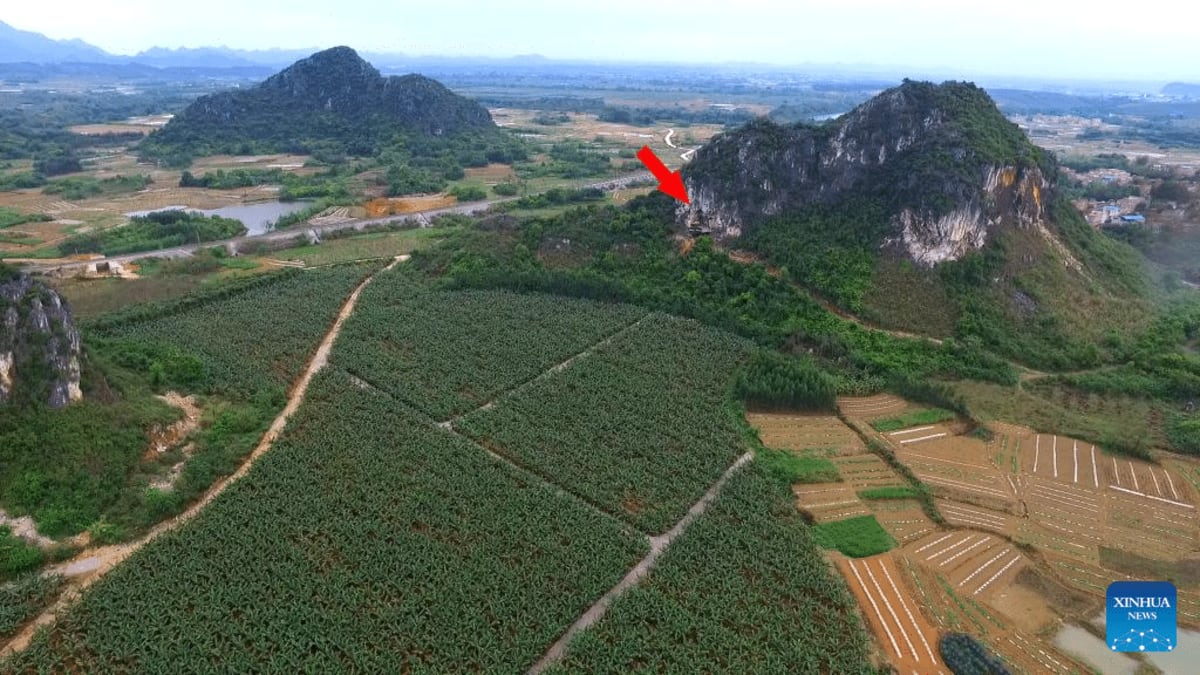
Scientists from China and the United Kingdom teamed up to recreate her appearance using 3D modeling software. The skull was discovered in Yahuai Cave in southern China's Guangxi region, the only complete human skull from the late Stone Age ever found in the area.
The woman had a high forehead, narrow eyes, and full lips. Her skull was larger than modern female skulls but smaller than male skulls from her time, revealing subtle differences between ancient and contemporary humans.
The team used advanced 3D modeling to analyze every curve and contour of the bone structure. Researchers from Guangxi Normal University, Beijing Normal University, and Alder Hey Children's Hospital in the UK collaborated on the digital reconstruction, bringing unprecedented detail to understanding our prehistoric ancestors.
Archaeologists uncovered the skull between 2015 and 2018 alongside other Stone Age artifacts. The near-perfect condition of the remains made this level of detailed study possible for the first time.
Why This Inspires
This discovery does more than show us a face from the distant past. It illuminates how early humans migrated throughout East and Southeast Asia, carrying technologies, languages, and cultural practices that would shape civilizations.
"The study of the skull fossil from the Yahuai Cave site is helpful in developing our understanding of the physical characteristics of early humans in south China," said Xie Guangmao, a researcher with the Guangxi Institute of Cultural Relics Protection and Archaeology.
The Guangxi region sits at a geographic crossroads between East and Southeast Asia. This strategic location suggests the area played a vital role in human movement across the continent thousands of years ago.
The findings, published in the Journal of Archaeological Science, help answer long-standing questions about how physical traits evolved in the region over millennia. Each detail in the reconstructed face offers clues about adaptation, survival, and the remarkable journey of humanity.
Looking at her reconstructed face reminds us that every person today carries the legacy of these brave early wanderers who shaped our shared human story.
More Images

Based on reporting by Google: archaeological discovery
This story was written by BrightWire based on verified news reports.
Spread the positivity!
Share this good news with someone who needs it