Scientists Reveal Origins of 8,000 Freed Slaves in 1800s
New DNA and chemical analysis has finally identified where more than 150 liberated Africans came from before dying on a remote island after the British Navy freed them from slave ships. The breakthrough helps restore identities erased by history and honors lives lost during a forgotten chapter of abolition.
Scientists have used cutting-edge technology to uncover the childhood origins of enslaved people who died shortly after being freed by the British Navy in the 1800s. The discovery helps restore dignity and identity to thousands whose stories were nearly lost to time.
After Britain banned the slave trade in 1807, the Royal Navy intercepted slave ships and freed captives. The Navy brought about 27,000 liberated Africans to St. Helena, a tiny island in the Atlantic Ocean. Tragically, around 8,000 people died there from malnutrition and poor health before they could truly experience freedom.
These burials were forgotten for nearly two centuries. Construction workers preparing to build an airport rediscovered the graves in 2007 and 2008, finding thousands of skeletons that told a heartbreaking story.
Researchers studied the teeth of 152 individuals, measuring unique chemical signatures that form during childhood. When children eat and drink, elements from their local environment become locked into their tooth enamel forever, creating a permanent record of where they grew up.
The team discovered that most people came from coastal regions of West and Central Africa, particularly areas near modern-day Gabon and Angola. Some had traveled thousands of kilometers from deep inland before being captured and forced onto ships.
One young man's teeth revealed he was transported from inland Angola to the coast between ages seven and nine. He died between 19 and 25, never making it home. At least 10 others showed evidence of being moved as children or early teens.
Why This Inspires
This research does more than uncover historical facts. It restores humanity to people whose names, families, and stories were deliberately erased by slave traders who kept minimal records.
"This study is especially impactful because it investigates instances of slavery, where knowledge of individuals' ancestors and descendants have been erased from history," geneticist Steven Micheletti told Live Science. The work helps fill crucial gaps that historical documents left behind.
The findings align with eyewitness accounts from Royal Navy personnel who reported hearing multiple African languages among the freed captives. DNA analysis revealed considerable diversity, confirming these people came from many different communities and cultures.
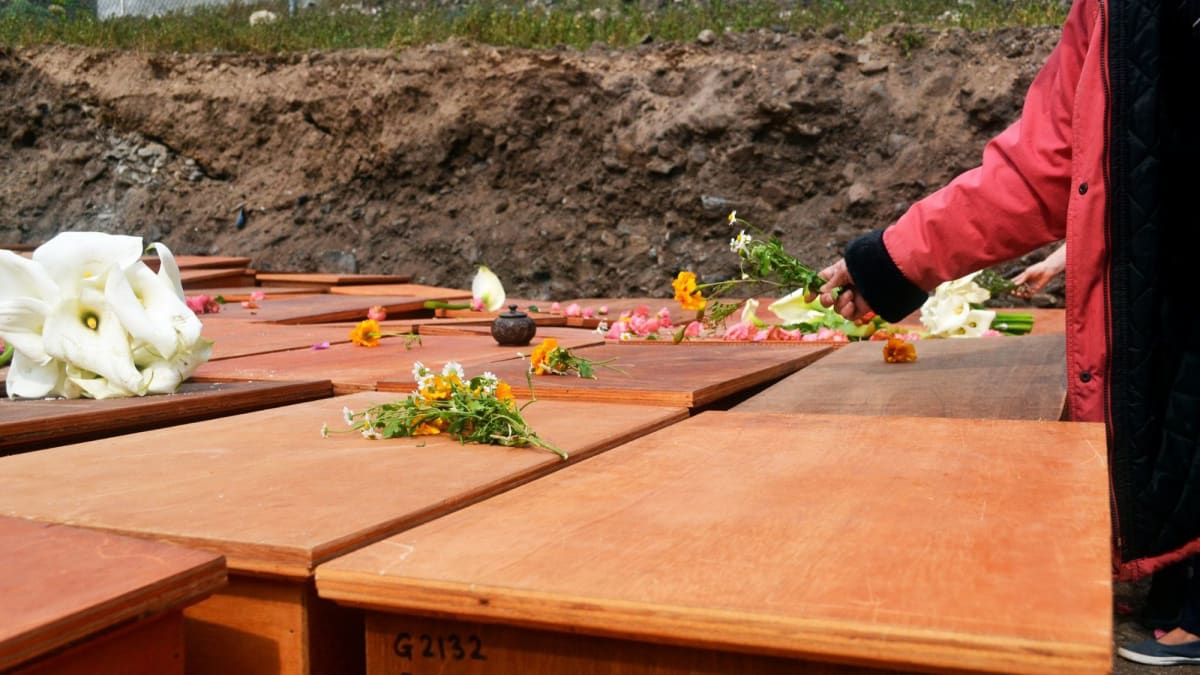
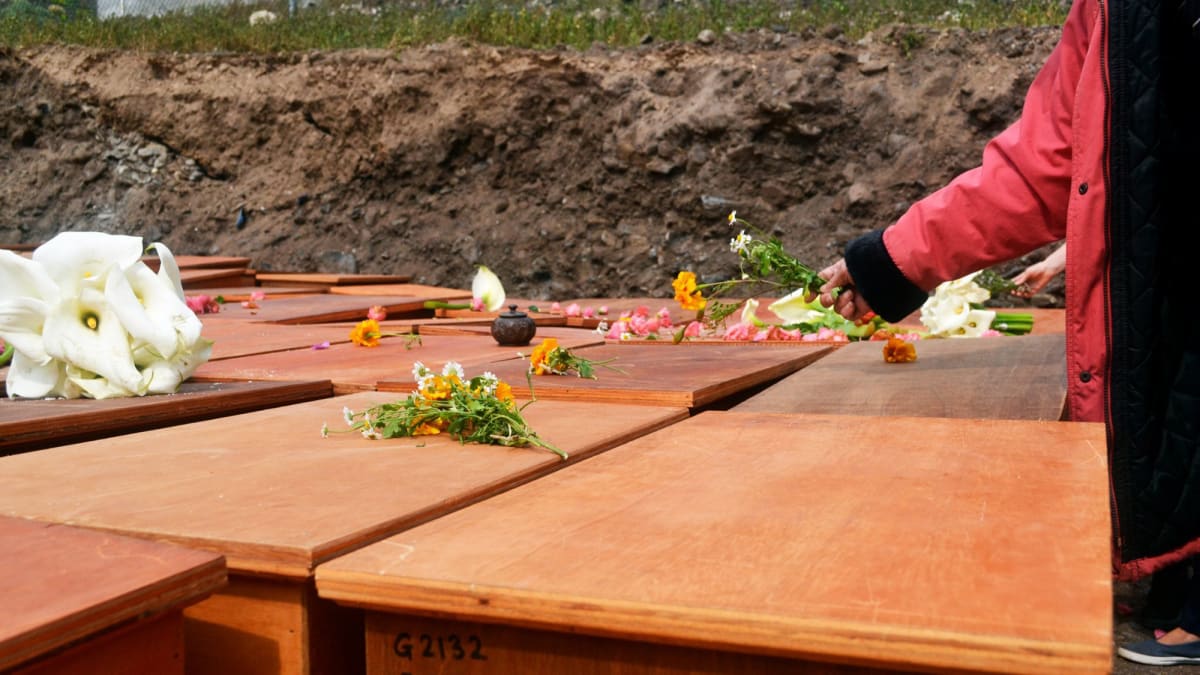
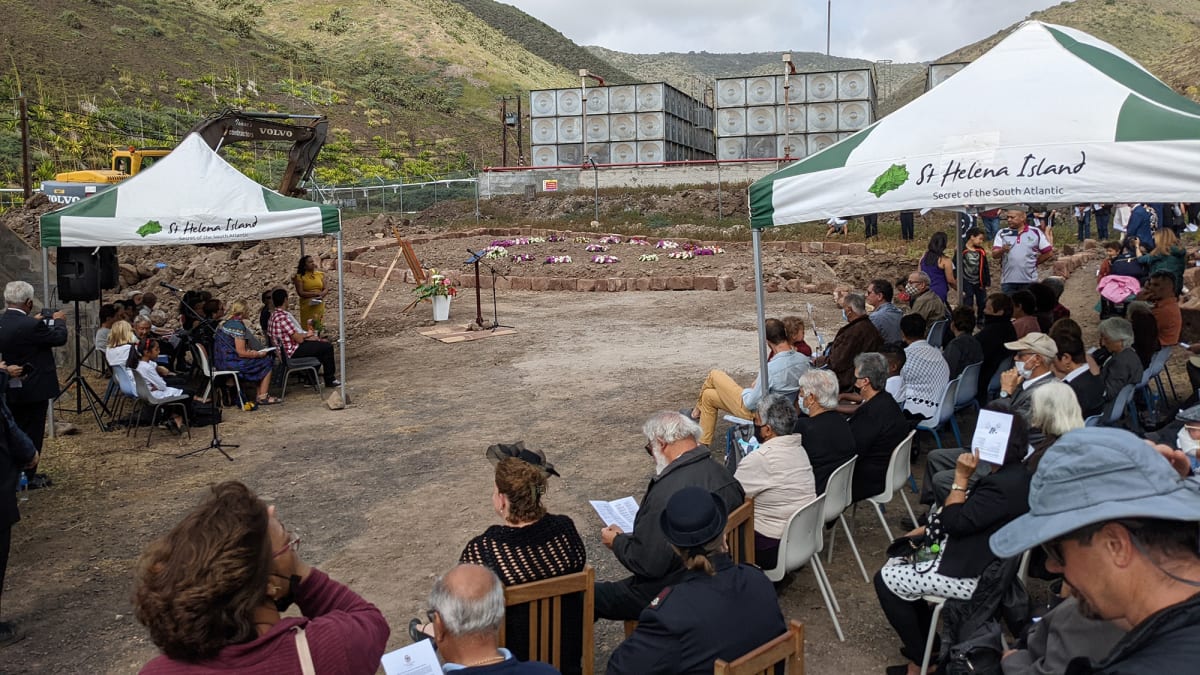
In 2022, the remains were given a proper reburial ceremony on St. Helena. The scientific work ensures these individuals are remembered not just as statistics, but as real people with childhoods, homelands, and identities that historians can now begin to piece together.
This breakthrough shows how modern science can honor the past and tell stories that deserve to be heard.
More Images


Based on reporting by Live Science
This story was written by BrightWire based on verified news reports.
Spread the positivity!
Share this good news with someone who needs it