Scientists Reverse Aging in Blood Stem Cells in Mice
Mount Sinai researchers made old blood stem cells behave like young ones again by repairing tiny cellular recycling centers, boosting their regenerative power eightfold. This discovery could lead to treatments that help elderly people maintain healthier immune systems and reduce risks of blood disorders.
Scientists just figured out how to turn back the clock on aging blood stem cells, and the results are stunning.
Researchers at Mount Sinai's Icahn School of Medicine successfully reversed aging in mice blood stem cells by fixing damaged lysosomes, the tiny recycling centers inside cells. The old stem cells didn't just improve slightly. They bounced back to act like young, healthy cells again.
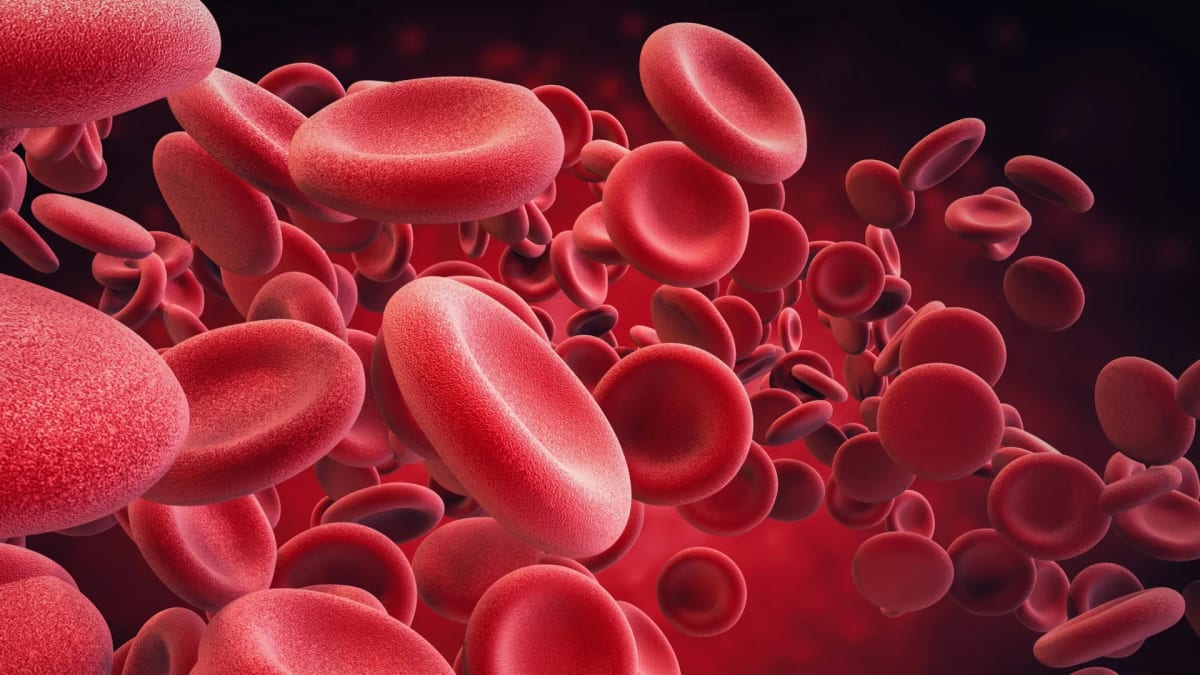
The breakthrough focuses on blood-forming stem cells that live in bone marrow and create all our blood and immune cells. As we age, these crucial stem cells lose their punch, weakening our immune defenses and making us more vulnerable to infections and blood cancers.
Dr. Saghi Ghaffari and her team discovered the problem starts with lysosomes going into overdrive. These cellular recycling centers become too acidic and hyperactive in old stem cells, throwing off the cell's entire metabolic balance and triggering damaging inflammation.
When researchers treated the aging stem cells with a compound that calmed the overactive lysosomes, something remarkable happened. The cells regained their ability to produce balanced blood and immune cells effectively. They showed healthier metabolism, better mitochondrial performance, and reduced inflammation throughout the body.
The most impressive result came from an experiment where researchers treated old stem cells outside the body before returning them. Those treated cells showed more than an eightfold increase in their ability to form new blood cells in living animals.
"Our findings reveal that aging in blood stem cells is not an irreversible fate," said Dr. Ghaffari. "Old blood stem cells have the capacity to revert to a youthful state; they can bounce back."
The improvement worked by helping cells better process mitochondrial DNA and reducing harmful immune signaling pathways that accelerate aging. Healthier lysosomes meant healthier cells overall.
The Ripple Effect
This discovery could transform how we approach aging and blood disorders. Future treatments might help elderly patients maintain robust immune systems as they age, improving their ability to fight infections and diseases.
The research also holds promise for stem cell transplants in older patients, who currently face greater risks and lower success rates. Better conditioning methods for gene therapy could emerge from understanding how to keep stem cells youthful and functional.
The findings might even reduce the risk of clonal hematopoiesis, a common age-related condition that increases the chances of blood cancers and inflammatory diseases. According to the American Cancer Society, age is one of the two strongest risk factors for developing cancer, with most diagnoses occurring around age 67.
The research team is now investigating whether fixing lysosomal problems in aging stem cells could prevent blood cancers from developing in the first place.
While human trials are still ahead, the fundamental discovery stands: aging in blood stem cells isn't a one-way street, and we now have a potential map for the return journey.
Based on reporting by Health Daily
This story was written by BrightWire based on verified news reports.
Spread the positivity!
Share this good news with someone who needs it