Scientists Reverse Aging Signs by Calming Immune Overreaction
Researchers discovered that some rapid aging disorders may be driven less by DNA damage itself and more by the immune system's overreaction to that damage. By quieting this "false alarm," they reversed multiple signs of aging in lab models.
Scientists just found a surprising culprit behind some of the most severe rapid aging disorders, and it's not what doctors thought for decades.
An international team led by Dr. Marva Bergman and Prof. Itamar Harel at Hebrew University discovered that the body's own immune system may be doing more harm than the DNA damage it's trying to fight. When they calmed this overreaction, tissue health improved dramatically across multiple systems.
For years, researchers assumed that rare disorders like Ataxia-Telangiectasia and Bloom syndrome caused rapid aging because damaged DNA accumulated faster than cells could repair it. The new study shows the real problem might be what happens next.
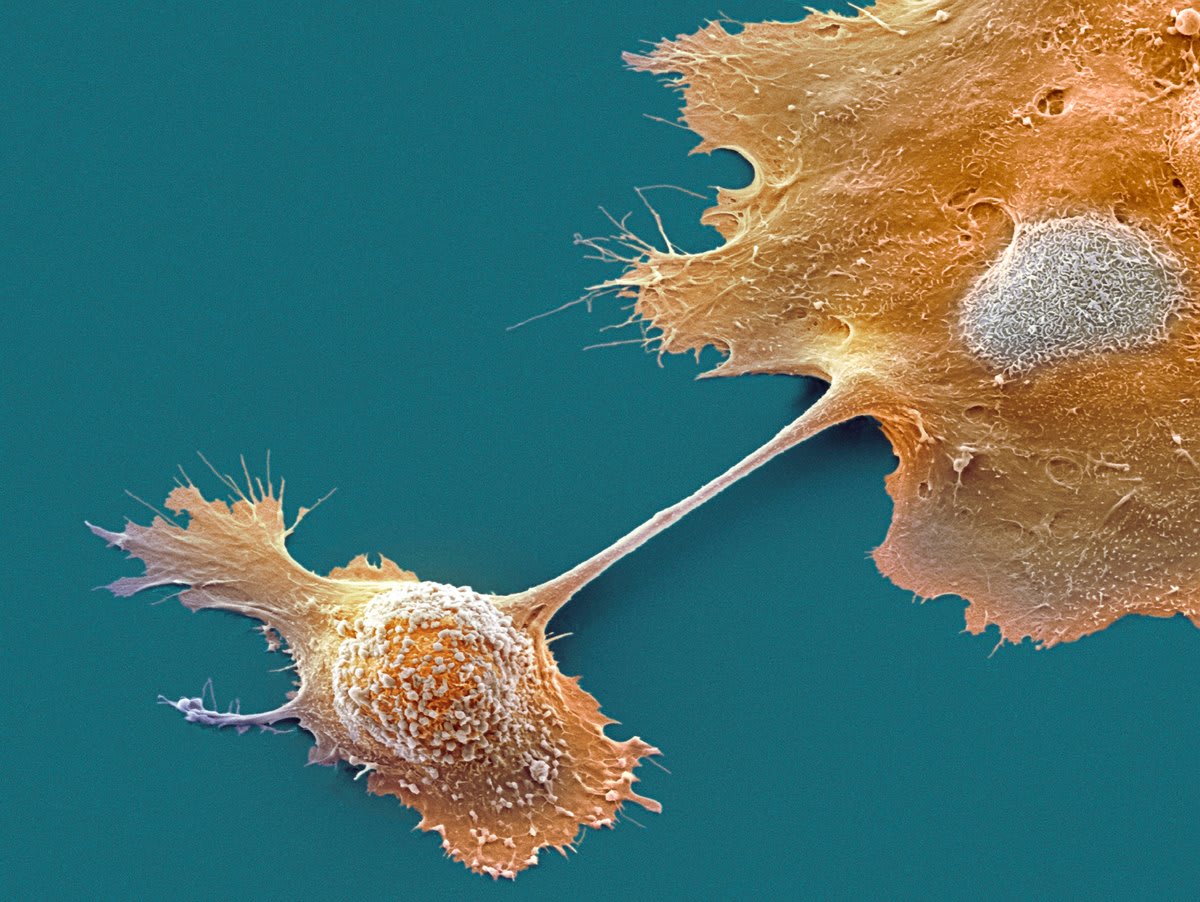
When DNA breaks apart in these conditions, fragments leak into the wrong part of the cell. A molecular sensor called cGAS detects these pieces and mistakes them for a viral invasion. The body launches a full inflammatory response against its own cells, attacking healthy tissue in the process.
"Our results show that the damage isn't acting alone," Prof. Harel explained. "It's the body's response to that damage, an exaggerated, chronic inflammatory reaction, that drives much of the degeneration."
The team found something even more surprising. The same cGAS sensor that triggers inflammation can also move into the cell's control center and directly block DNA repair. This creates a vicious cycle where the immune response both damages tissue and prevents the body from fixing itself.
To test whether controlling this response could help, the researchers used a fast-aging animal model. When they reduced cGAS activity, several major disease symptoms reversed, including brain inflammation, tissue damage, and reproductive problems.
The Bright Side
This discovery opens a completely different path for treating aging disorders. Instead of trying to repair every piece of damaged DNA (which is incredibly difficult), doctors might be able to simply turn down the volume on the immune system's false alarm.
The challenge is finding the right balance. Completely shutting down cGAS would leave people vulnerable to real viral infections, so future treatments need to be precise enough to stop the harmful inflammation without eliminating important defenses.
The findings could reach beyond rare genetic conditions too. Chronic inflammation and DNA damage play major roles in normal aging, suggesting that similar immune overreactions might contribute to age-related diseases affecting millions of people worldwide.
Sometimes the body's best defenses become its worst enemies, but now scientists know where to look for the off switch.
Based on reporting by Science Daily
This story was written by BrightWire based on verified news reports.
Spread the positivity!
Share this good news with someone who needs it