Scientists Reverse Liver Aging in Mice With Gut Bacteria
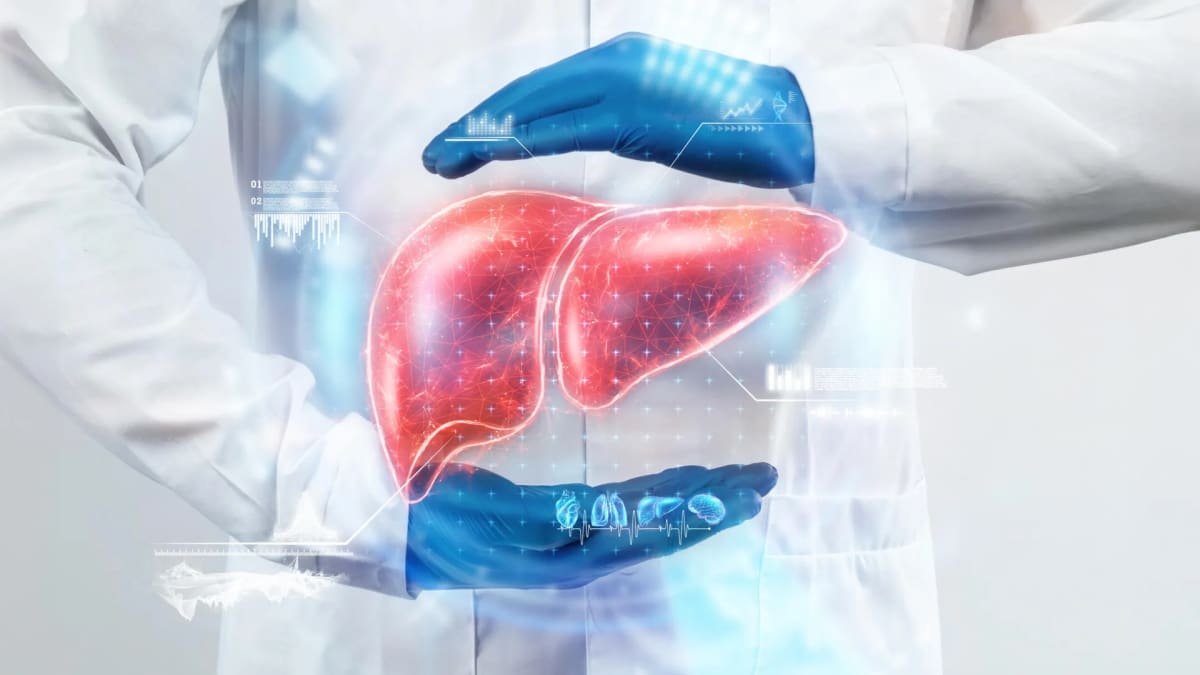
Researchers turned back the clock on aging livers by restoring youthful gut bacteria in older mice. None of the treated mice developed liver cancer, while untreated aging mice did.
Scientists may have just unlocked a powerful weapon against aging and liver cancer hiding in an unexpected place: the gut.
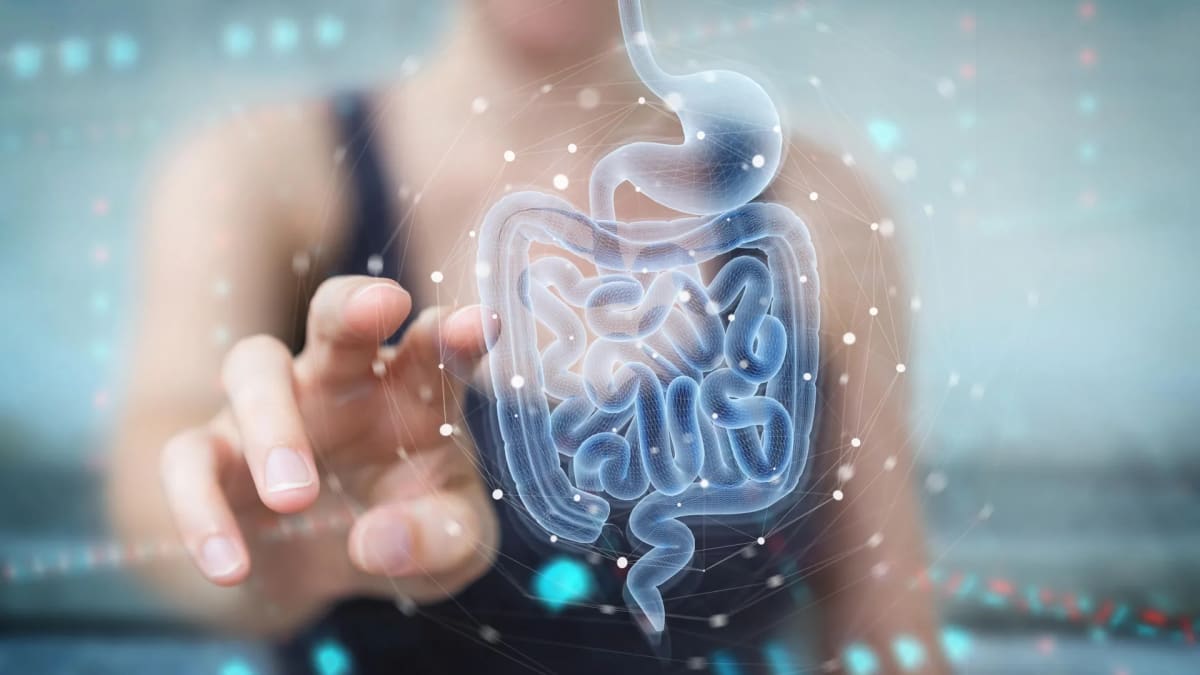
Researchers at The University of Texas Medical Branch discovered that restoring youthful gut bacteria to older mice reversed multiple signs of aging and completely prevented liver cancer. The findings, presented at Digestive Disease Week 2026, reveal that our microbiome might play a much bigger role in healthy aging than anyone realized.
The study design was elegantly simple. Scientists collected gut bacteria samples from eight young mice and preserved them like a time capsule. As those same mice aged, researchers transplanted their own youthful microbiome back into them through fecal microbiota transplantation.
The results stunned the research team. Not a single mouse that received its youthful microbiome developed liver cancer. Meanwhile, two out of eight untreated aging mice did develop cancer.
The treated mice also showed dramatically lower inflammation and reduced liver damage. At the molecular level, they looked younger too, with a cancer-linked gene called MDM2 suppressed to levels resembling young mice.
"We're learning from this work that the aging microbiome actively contributes to liver dysfunction and cancer risk rather than simply reflecting the aging process," said lead researcher Dr. Qingjie Li, an associate professor in gastroenterology and hepatology.
The discovery almost didn't happen. The team had been studying how gut bacteria affect heart health when they noticed something unexpected in their tissue samples. The liver showed even stronger improvements than the heart.
Dr. Li explained that restoring youthful gut bacteria reversed core features of aging including inflammation, DNA damage, and cellular decline. The microbiome appears to have a broader influence on the body's cancer defenses than previously understood.
The researchers made one key choice that could accelerate future human trials. Instead of using donor bacteria, they gave each mouse its own preserved microbiome. This approach reduces immune complications and creates a clearer proof of concept for people.
Why This Inspires
This research offers something rare in aging science: a concrete pathway forward. While anti-aging treatments often promise much and deliver little, this study shows measurable, dramatic results across multiple biological markers.
The beauty lies in its accessibility. Unlike experimental drugs or genetic therapies, microbiome restoration builds on techniques already used in medicine today. Fecal microbiota transplantation currently treats certain infections in humans with remarkable success.
What makes this particularly hopeful is the completeness of the effect. The restored microbiome didn't just improve one aspect of aging; it reversed inflammation, protected DNA, improved cellular function, and prevented cancer. That comprehensive impact suggests we might be addressing a root cause rather than just symptoms.
Dr. Li emphasized these findings remain limited to mice and cannot yet be applied to people. Still, the team hopes to begin first-in-human clinical trials soon.
For now, the study reminds us that our bodies contain ecosystems worth preserving, and that the fountain of youth might already live inside us.
Based on reporting by Health Daily
This story was written by BrightWire based on verified news reports.
Spread the positivity!
Share this good news with someone who needs it