Scientists Reverse Rapid Aging by Calming Immune Response
Researchers discovered that turning down an overactive immune sensor restored tissue health in fast-aging disorders, offering hope for new treatments that work with the body instead of fighting it. The breakthrough challenges decades of assumptions about DNA damage and aging.
Scientists have found a way to reverse severe aging symptoms by teaching the immune system to stop overreacting to damaged DNA.
The discovery centers on a molecule called cGAS, which normally protects us from viruses. But researchers at Hebrew University found it can also mistake our own damaged DNA for an invader, triggering harmful inflammation that accelerates aging.
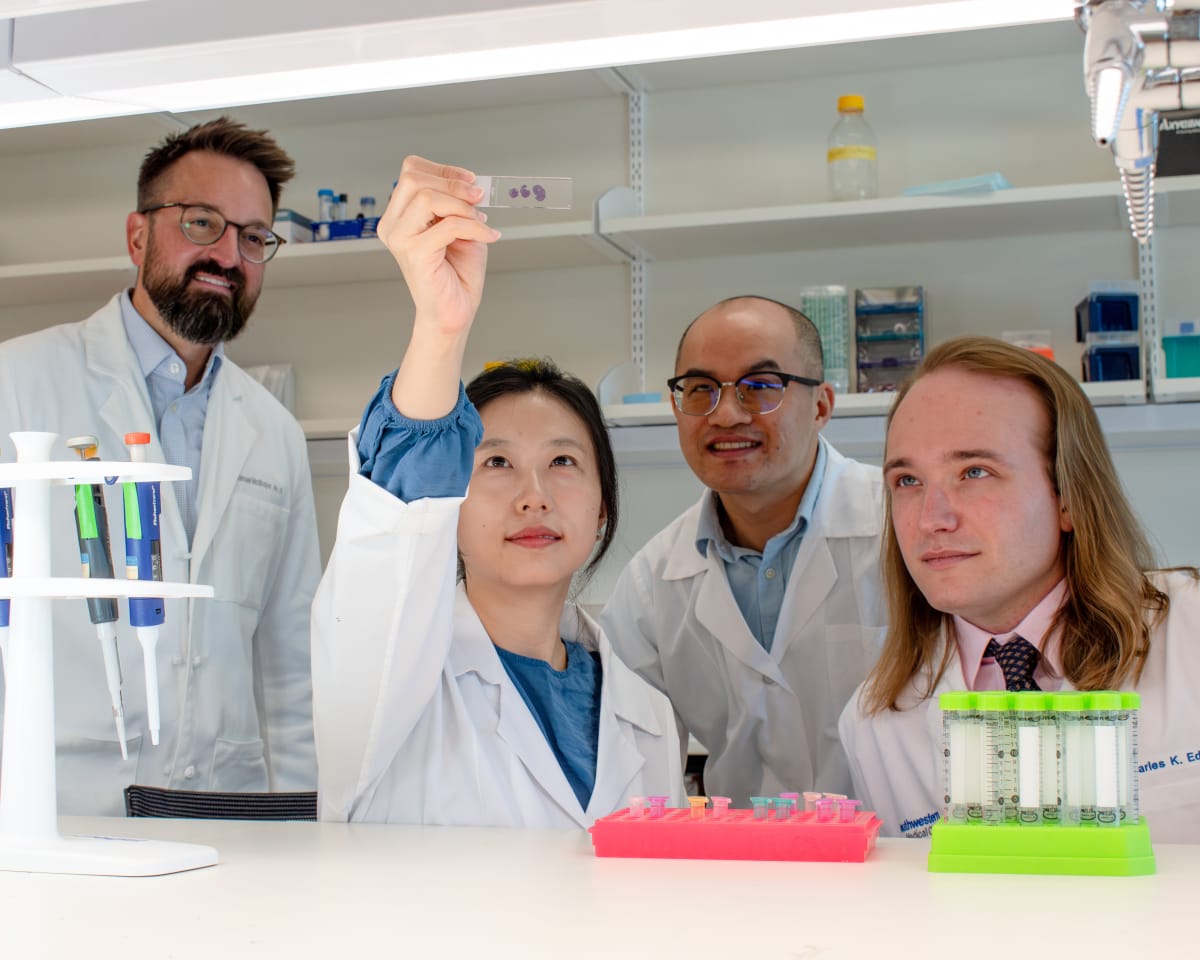
Dr. Marva Bergman and Prof. Itamar Harel led an international team studying rare genetic disorders like Ataxia-Telangiectasia and Bloom syndrome. In these conditions, DNA repair systems don't work properly, causing damaged genetic material to pile up throughout the body.
For decades, scientists assumed the damaged DNA itself caused the rapid aging, neurodegeneration, and cancer risk these patients face. The new research reveals something different.
"Our results show that the damage isn't acting alone," said Prof. Harel. "It's the body's response to that damage, an exaggerated, chronic inflammatory reaction, that drives much of the degeneration."
The team discovered that cGAS plays a double role in causing harm. It triggers persistent inflammation and also sneaks into the cell nucleus where it interferes with DNA repair, creating a vicious cycle.
When researchers reduced cGAS activity in a fast-aging animal model, the results surprised them. Neuroinflammation decreased, tissues regenerated, and reproductive function returned.
"We weren't just slowing decline," said Dr. Bergman. "We saw broad restoration of tissue function."
The findings suggest a completely new treatment approach. Instead of trying to fix every piece of damaged DNA, future therapies could focus on calming the body's inflammatory response to that damage.
There's a catch though. cGAS is essential for fighting viral infections, so any treatment would need to reduce its harmful effects without eliminating its protective role entirely.
Why This Inspires
This research represents a fundamental shift in how we think about aging and disease. For patients with severe DNA repair disorders, the discovery offers genuine hope where few options existed before.
The implications stretch beyond rare genetic conditions. Chronic inflammation and DNA damage are hallmarks of normal aging too, suggesting these insights could eventually help millions of people maintain healthier tissue function as they grow older.
What makes this breakthrough particularly exciting is its elegance. Rather than fighting the body's natural processes, the approach works with them, helping the immune system distinguish between real threats and false alarms.
The research also demonstrates how biological systems designed to protect us early in life can sometimes work against us later. Understanding these trade-offs opens new pathways for intervention.
Clinical applications remain years away, but the principle is powerful: sometimes the best way to fix a problem isn't to attack it directly, but to change how the body responds to it.
Based on reporting by Google News - Scientists Discover
This story was written by BrightWire based on verified news reports.
Spread the positivity!
Share this good news with someone who needs it