Scientists Rewake Dead Brain Tissue in Medical First
German researchers successfully revived frozen mouse brain tissue after up to a week in storage, restoring memory and thought functions. The breakthrough could revolutionize organ transplants and emergency brain injury treatment.
Scientists in Germany just brought frozen brain tissue back to life, opening doors that seemed locked to science fiction.
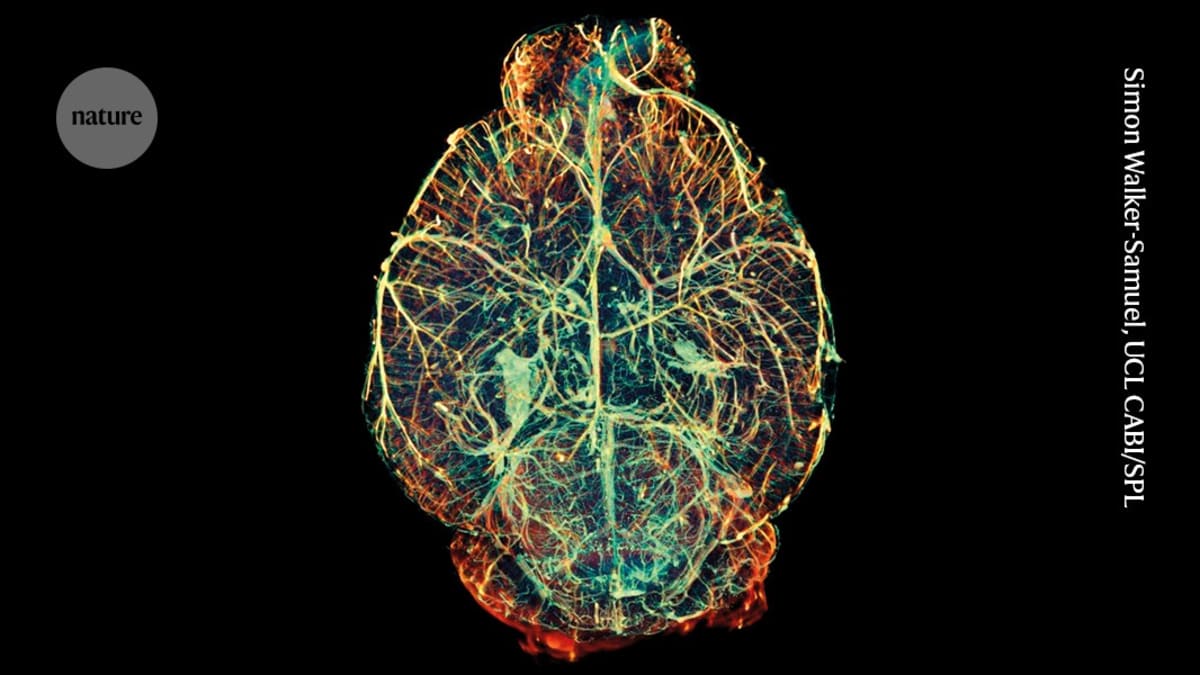
Researchers at the University of Erlangen-Nuremberg successfully revived dead mouse brain tissue after freezing it for up to seven days. The tissue regained its ability to fire neurons, metabolize energy, and form new connections—the very foundations of thought and memory.
The secret lies in a process called vitrification. Traditional freezing creates ice crystals that expand and puncture brain cells like tiny knives, destroying the delicate connections between neurons forever. Vitrification bypasses this problem by turning tissue into a glass-like state at negative 196 degrees Celsius, preserving every structure without crystal formation.
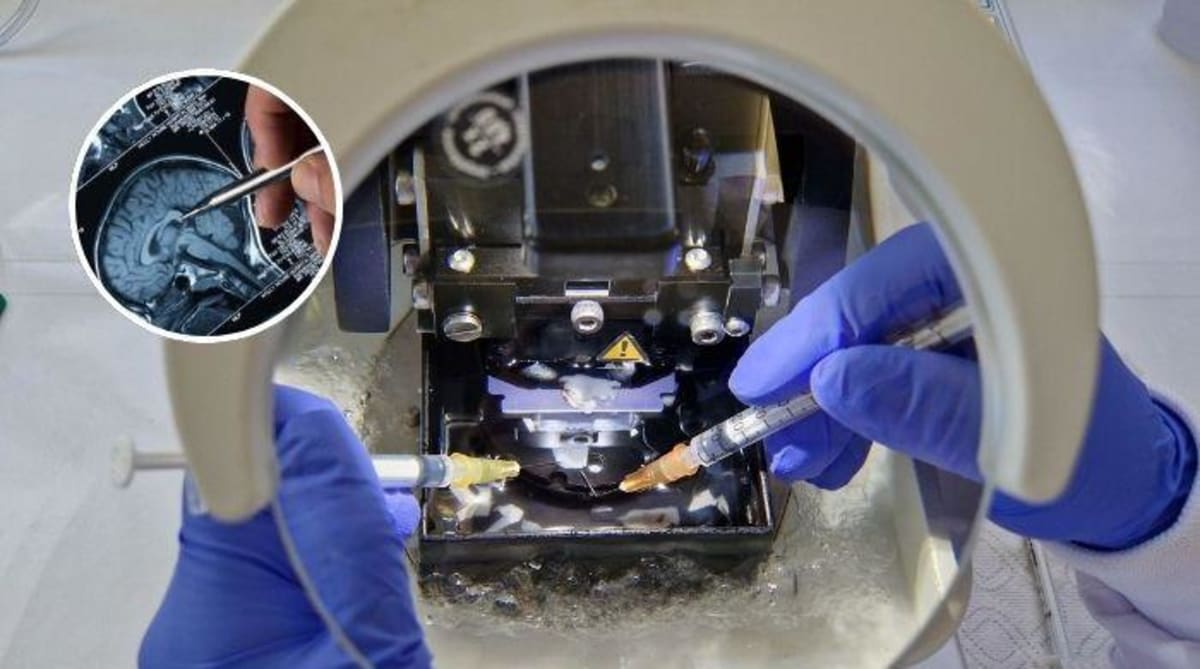
The team tested thin slices of mouse hippocampus tissue, the brain region crucial for memory. After storage periods ranging from 10 minutes to a full week in liquid nitrogen, they carefully rewarmed the samples. Key neural functions returned, showing that the tissue wasn't just structurally intact but functionally alive.
The Ripple Effect
This discovery could transform emergency medicine and organ donation. Doctors treating severe brain injuries or strokes could potentially pause brain damage by putting tissue into suspended animation, buying precious time for treatment. Complex organs that currently must be transplanted within hours could stay viable for days or weeks.
The breakthrough extends beyond just brains. Other delicate organs that suffer similar damage during freezing could benefit from the same technique, potentially solving one of transplant medicine's biggest challenges: the race against time.
Mrityunjay Kothari, a cryobiology specialist at a leading research institution, told Nature magazine that developments like this gradually turn science fiction into scientific possibility. His words capture the magnitude of what seemed impossible just months ago.
The study, published in the Proceedings of the National Academy of Sciences, represents years of careful work understanding how to protect the brain's intricate architecture. Each neuron connects to thousands of others in patterns that encode everything we are, and preserving those patterns intact required solving problems that stumped scientists for decades.
The research team emphasized this marks a beginning, not an endpoint. Moving from mouse tissue to human applications will require extensive safety testing and refinement. But the fundamental question has shifted from "Can we do this?" to "How do we scale this up?"
For families waiting for organ transplants and patients facing brain injuries, today's science fiction might become tomorrow's standard care.
Based on reporting by Google: medical breakthrough
This story was written by BrightWire based on verified news reports.
Spread the positivity!
Share this good news with someone who needs it