Scientists Smash 30-Year Superconductivity Record
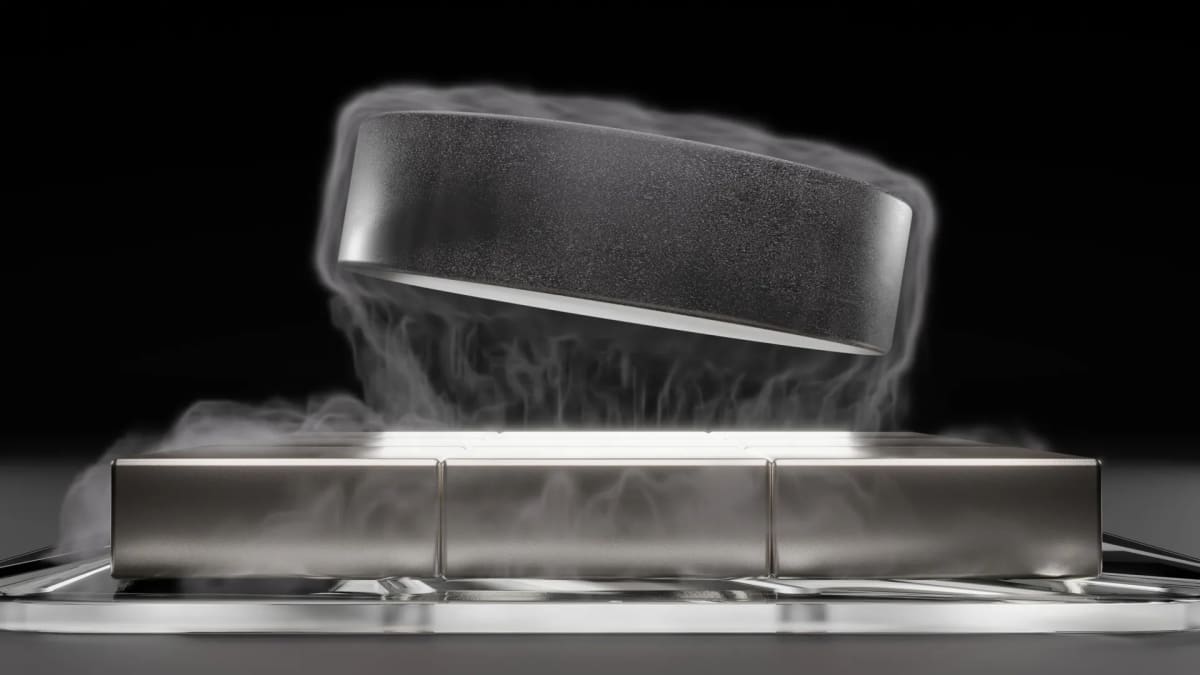
University of Houston researchers just achieved what many thought impossible: electricity flowing with zero resistance at the highest temperature ever recorded under normal pressure. This breakthrough could transform our power grids and save billions in wasted energy.
Imagine if we could stop losing 8% of all electricity traveling through power lines—billions of dollars literally vanishing into thin air every year. Scientists at the University of Houston just brought that dream significantly closer to reality.
Researchers at the Texas Center for Superconductivity achieved something the scientific world has been chasing for over three decades. They created a material that conducts electricity with zero resistance at 151 Kelvin (minus 122°C), breaking a record that stood untouched since 1993.
The previous record holder, a mercury-based material, reached superconductivity at 133 Kelvin. This new achievement pushes that boundary 18 degrees higher, and here's why that matters: every degree closer to room temperature makes superconducting technology more practical and affordable for everyday use.
Professor Ching-Wu Chu, who led the research team with physicist Liangzi Deng, knows this territory well. Back in 1987, he helped discover a material that sparked a global race to develop high-temperature superconductors.
The team's secret weapon is a technique called pressure quenching. They subjected their material to extreme pressure, which boosted its superconducting abilities, then rapidly released that pressure while keeping the material at a specific temperature. The enhanced properties stayed locked in, even after returning to normal pressure.
"Other researchers have shown that reaching superconductivity at room temperature under pressure is achievable," Chu explained. "Our method shows that it is possible to retain that state without maintaining pressure."
The Ripple Effect
This breakthrough could touch almost every aspect of modern life. More efficient power grids would conserve massive amounts of energy and reduce environmental impact. Medical imaging could improve dramatically. Fusion energy reactors could become more viable. Electronics could operate faster than ever.
The key advantage of ambient-pressure superconductors is accessibility. Scientists worldwide can now study this material using standard laboratory equipment, accelerating the pace of discovery. No expensive pressure chambers required.
Room temperature sits at about 300 Kelvin, leaving a 140-degree gap from this new record. But Chu remains optimistic: "We believe, with enough people working on it and given enough time, we should be able to realize the potential."
What started as a scientific curiosity in 1911 is becoming a practical reality, one degree at a time.
Based on reporting by Science Daily
This story was written by BrightWire based on verified news reports.
Spread the positivity!
Share this good news with someone who needs it