Scientists Solve 30-Year Mystery of Missing Neutrinos
A puzzle that stumped physicists for three decades just got solved, and it turns out those "missing" neutrinos were never missing at all. New research shows the gallium anomaly was based on a measurement misunderstanding, not mysterious new physics.
For 30 years, scientists scratched their heads over a cosmic mystery: experiments kept detecting fewer neutrinos than theory predicted.
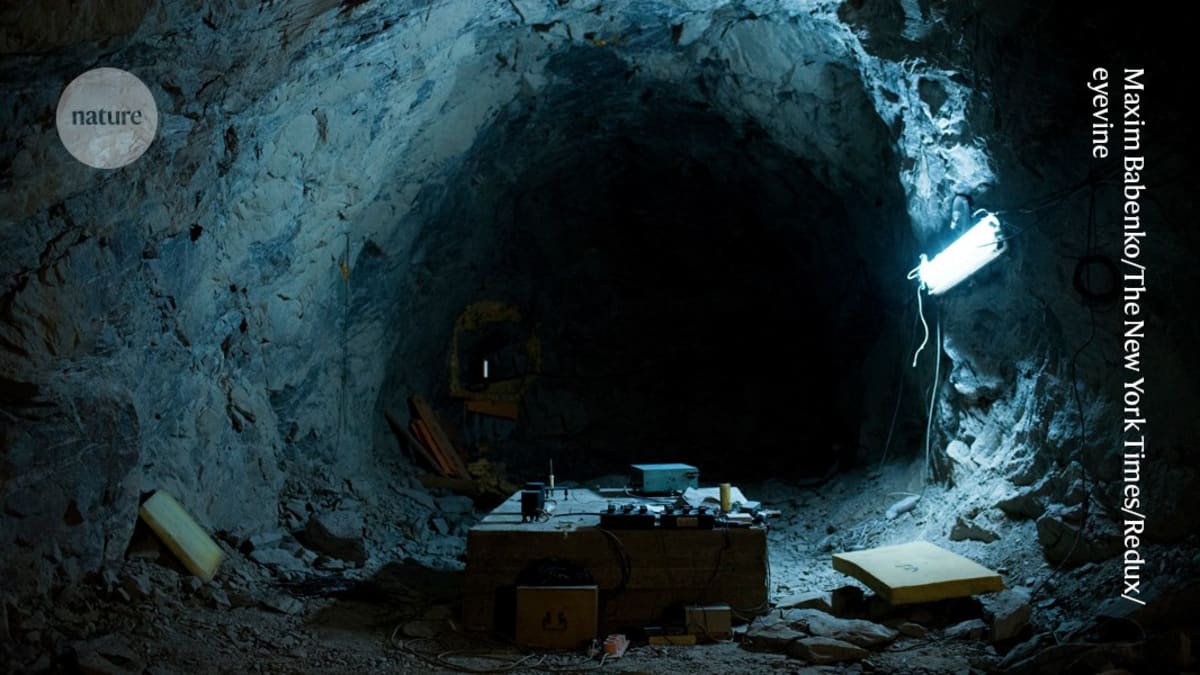
The puzzle, known as the "gallium anomaly," emerged from underground detectors in Russia designed to catch these ghostly particles that zip through matter almost undetected. When researchers used gallium-based instruments to measure neutrinos from radioactive sources, they consistently came up short by about 20 percent.
Some physicists wondered if they'd discovered something groundbreaking. Maybe a new type of neutrino existed, one that current theories couldn't explain.
But new research published in Physical Review Letters reveals the real answer was hiding in plain sight. The missing neutrinos weren't missing at all.
Scientists discovered that previous calculations had misunderstood how neutrinos interact with gallium atoms at the quantum level. When they recalculated using more precise atomic physics models, the "missing" particles appeared right where they should be.
Why This Inspires
This discovery shows how science moves forward through persistence and humility. Researchers spent decades checking and rechecking their work, never satisfied with easy answers.
The breakthrough came from international collaboration between multiple research teams, including the MicroBooNE Collaboration and the KATRIN Collaboration. Scientists from different experiments compared notes and refined their understanding of neutrino behavior.
What makes this especially exciting is what it confirms. Our current understanding of particle physics works even better than we thought. The Standard Model, which describes how fundamental particles behave, just passed another rigorous test.
The gallium experiments at the Baksan Neutrino Observatory deep underground will continue. But now researchers can use them with confidence, knowing their measurements align with theoretical predictions.
For the scientific community, this represents a win for careful, methodical research. Sometimes the most important discoveries aren't finding something new but understanding what we already have more deeply.
Neutrinos remain fascinating. These nearly massless particles pass through your body by the trillions every second, most coming from the sun. Understanding them better helps scientists grasp how stars work, how the universe evolved, and what might lie beyond our current knowledge.
The resolution of the gallium anomaly frees up resources and attention for genuine mysteries still awaiting answers. Physicists can now focus on real unexplained phenomena rather than chasing a measurement artifact.
Three decades of mystery wrapped up not with exotic new physics, but with better understanding of the physics we know—and that's a victory worth celebrating.
More Images


Based on reporting by Nature News
This story was written by BrightWire based on verified news reports.
Spread the positivity!
Share this good news with someone who needs it
%2Fhttps%3A%2F%2Ftf-cmsv2-smithsonianmag-media.s3.amazonaws.com%2Ffiler_public%2F4e%2F9f%2F4e9f0fe8-aa48-438a-b88f-3a29cd71107e%2Fhttps___wwwfrontiersinorg_files_articles_1758862_xml-images_fmats-13-1758862-g001.jpeg)
%2Fhttps%3A%2F%2Ftf-cmsv2-smithsonianmag-media.s3.amazonaws.com%2Ffiler_public%2F8e%2F83%2F8e837bc6-e2b3-4bb6-bb1c-4f1287b45a6f%2Fcastillo-39-rincon_de_los_signos.jpg)