Scientists Solve 52-Year Blood Mystery, Help Rare Patients
After five decades of investigation, researchers have identified a new blood group system that could transform care for patients with rare blood types. The discovery began with one woman's unusual blood sample in 1972.
A medical mystery that stumped doctors for over 50 years finally has an answer, and it could save lives.
In 1972, a pregnant woman in the UK went for routine blood work. Her sample revealed something doctors had never seen before: her red blood cells were missing a surface marker called the AnWj antigen that appears in nearly everyone else's blood.
That single puzzling case launched a search that spanned five decades. In 2024, a team of UK and Israeli scientists finally cracked the code, identifying an entirely new blood group system called MAL.
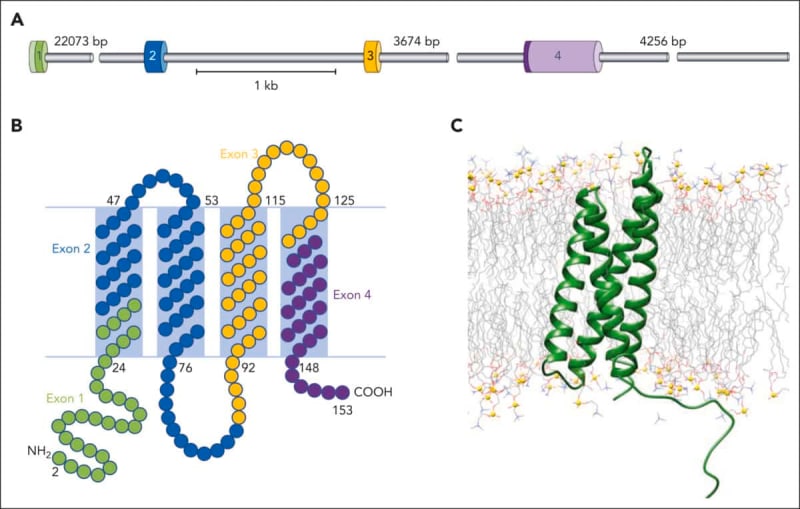
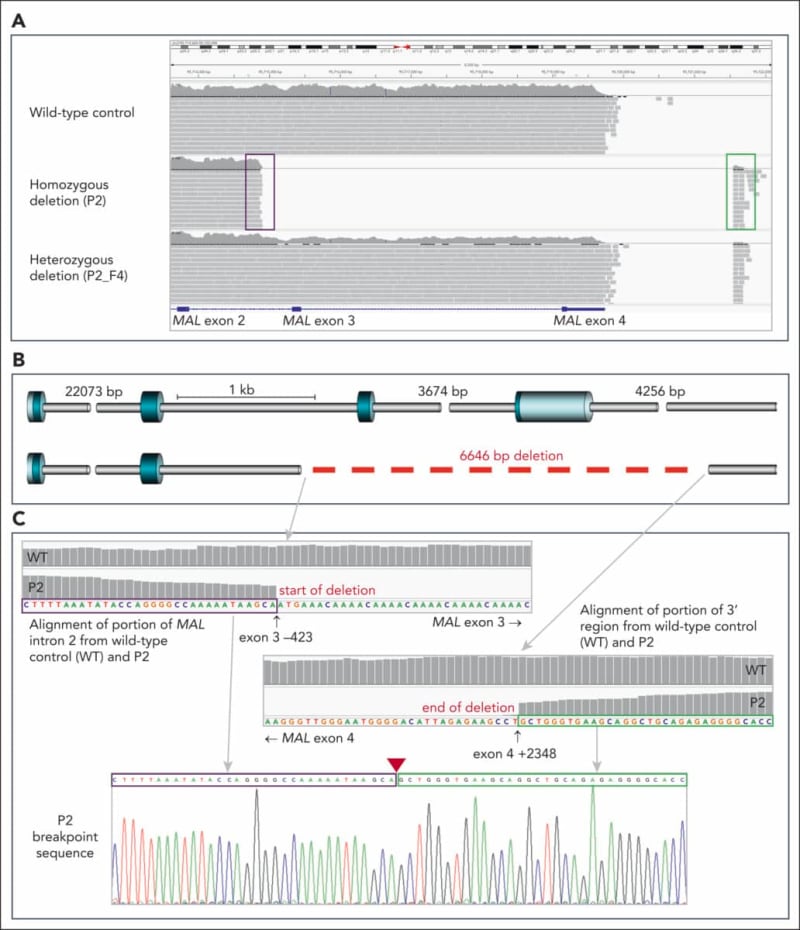
The discovery centers on the MAL gene, which creates a tiny protein that helps maintain cell membrane stability. When this gene mutates in specific ways, it removes the AnWj antigen from red blood cells, creating a rare but important blood type that doctors can now identify and treat properly.
Finding this blood group wasn't easy. The MAL protein is incredibly small and behaves in unusual ways, forcing researchers to try multiple investigative approaches. Cell biologist Tim Satchwell from the University of the West of England explained that the protein's unique properties meant the team needed to gather proof from many different angles.
The breakthrough came when scientists successfully inserted normal MAL genes into cells missing the AnWj antigen. The experiment confirmed the protein's role and validated decades of work.
Why This Inspires
This discovery means doctors can now properly match blood for transfusions in patients with this rare type. Before, people with AnWj-negative blood faced serious risks during transfusions because their unique blood type went undetected, potentially triggering dangerous immune reactions.
Hematologist Louise Tilley from the UK National Health Service called it "a huge achievement" that represents years of teamwork. For patients with this rare blood type, the discovery offers something even more valuable: safety and the best possible care when they need transfusions.
The MAL blood group joins about 40 other recognized blood group systems. While relatively few people carry this variation, each one matters deeply when their life depends on a transfusion match.
Five decades of scientific persistence just made medicine a little safer for everyone.
More Images

Based on reporting by Google News - Scientists Discover
This story was written by BrightWire based on verified news reports.
Spread the positivity!
Share this good news with someone who needs it