Scientists Solve Darwin's 160-Year Venus Flytrap Mystery
French researchers finally cracked the secret behind how Venus flytraps snap shut in under a second. The answer surprised everyone: the plant's cells instantly soften like a rubber popper toy.
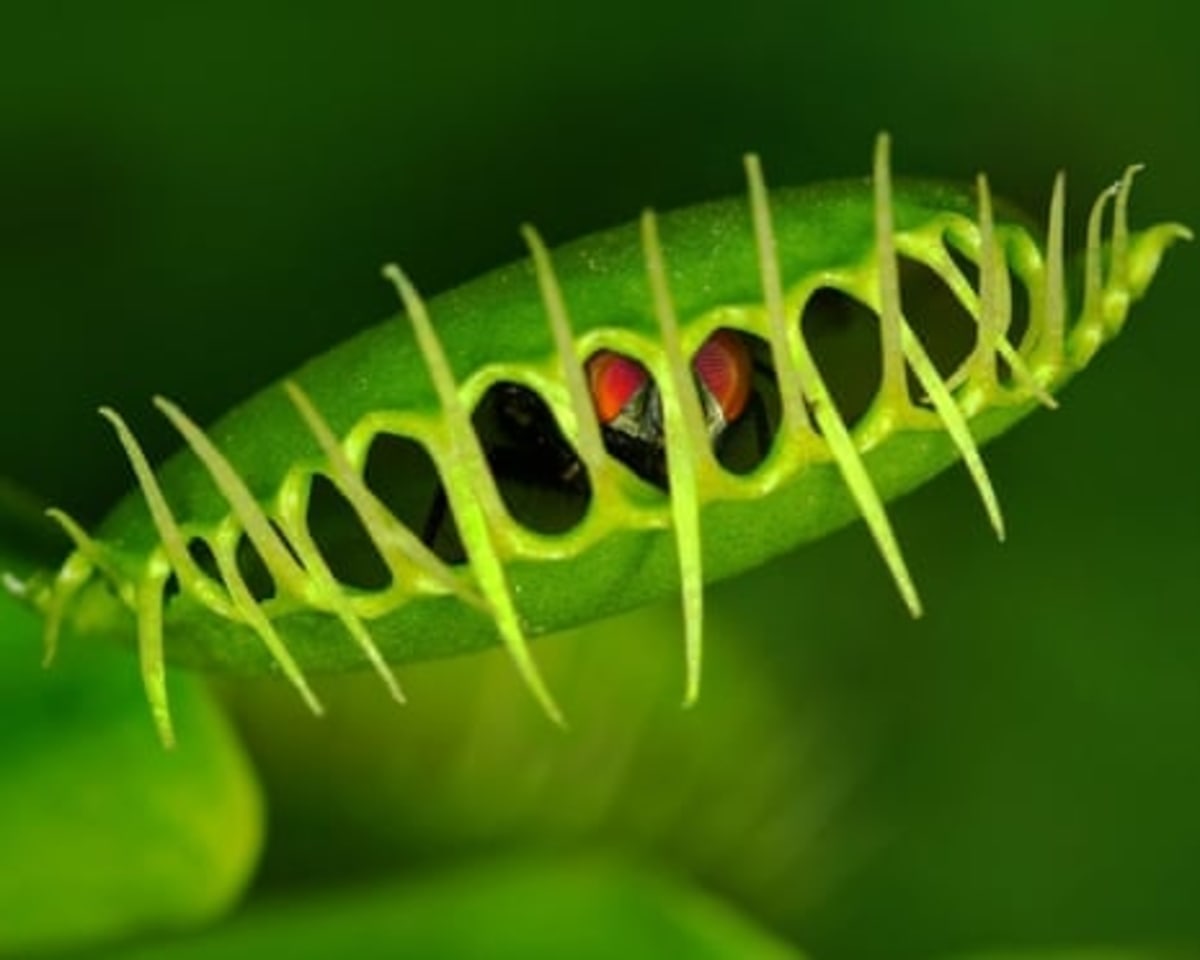
After more than 160 years of puzzling scientists, the Venus flytrap has finally revealed how it catches prey faster than the human eye can blink.
Researchers at France's CNRS and Aix-Marseille University discovered that the carnivorous plant's cells soften instantly when triggered, causing the leaf to flip shut like a rubber popper toy. The breakthrough solves a mystery that stumped Charles Darwin himself.
"When Darwin saw these plants move so fast, he was convinced the plant had a muscle inside, but plants do not have muscles and they do not have nerves," said Dr. Yoël Forterre, the physicist who led the research. His team spent years figuring out how to measure something so delicate and fast.
The challenge was tricky. Touch a Venus flytrap's leaf and it slams shut immediately, then takes a full day to reopen. If it catches an actual insect, digestion takes several weeks.
Forterre's team used dental glue to carefully hold the leaves still while they poked the outer surface with a specialized metal tip called a nanoindenter. This device measures pressure the same way your finger feels a balloon's firmness.
The breakthrough moment came when they discovered the leaf's outer surface softened instantly after triggering the trap's hair sensors. Scientists had long believed water movement inside the cells caused the snap. Instead, the cell walls themselves change their mechanical properties in a fraction of a second.
"It's very surprising that plant cell walls can tune their mechanical properties so fast," Forterre said. His team found no other plants with this rapid-fire ability to transform their cellular structure.
The research started simply when a colleague brought a Venus flytrap into the lab 20 years ago. As a physicist, Forterre wanted to understand the forces behind the movement. Two decades of obsession later, he finally has his answer.
Why This Inspires
This discovery reminds us that nature still holds countless secrets waiting to be unlocked. Venus flytraps evolved this remarkable ability over millions of years without muscles, nerves, or brains.
The research also shows how plants are far more dynamic than we realize. They sense their surroundings, transport information, react to threats, defend themselves, and find creative ways to feed. What looks like simple greenery is actually a sophisticated survival machine.
Forterre's 20-year journey proves that patient curiosity pays off. Sometimes the most fascinating answers come from simply wondering how things work and refusing to give up until you know.
Nature's ingenuity continues to amaze us, one snap at a time.
More Images



Based on reporting by Google News - Science
This story was written by BrightWire based on verified news reports.
Spread the positivity!
Share this good news with someone who needs it