Scientists Spot Baby Planet Less Than 1 Million Years Old
Astronomers have confirmed the youngest planet ever discovered, offering an unprecedented window into how worlds like Earth form. The infant planet, less than 1 million years old, is still growing inside its star's cosmic nursery.
Astronomers just caught a planet being born, and it's rewriting what scientists thought they knew about how worlds come into existence.
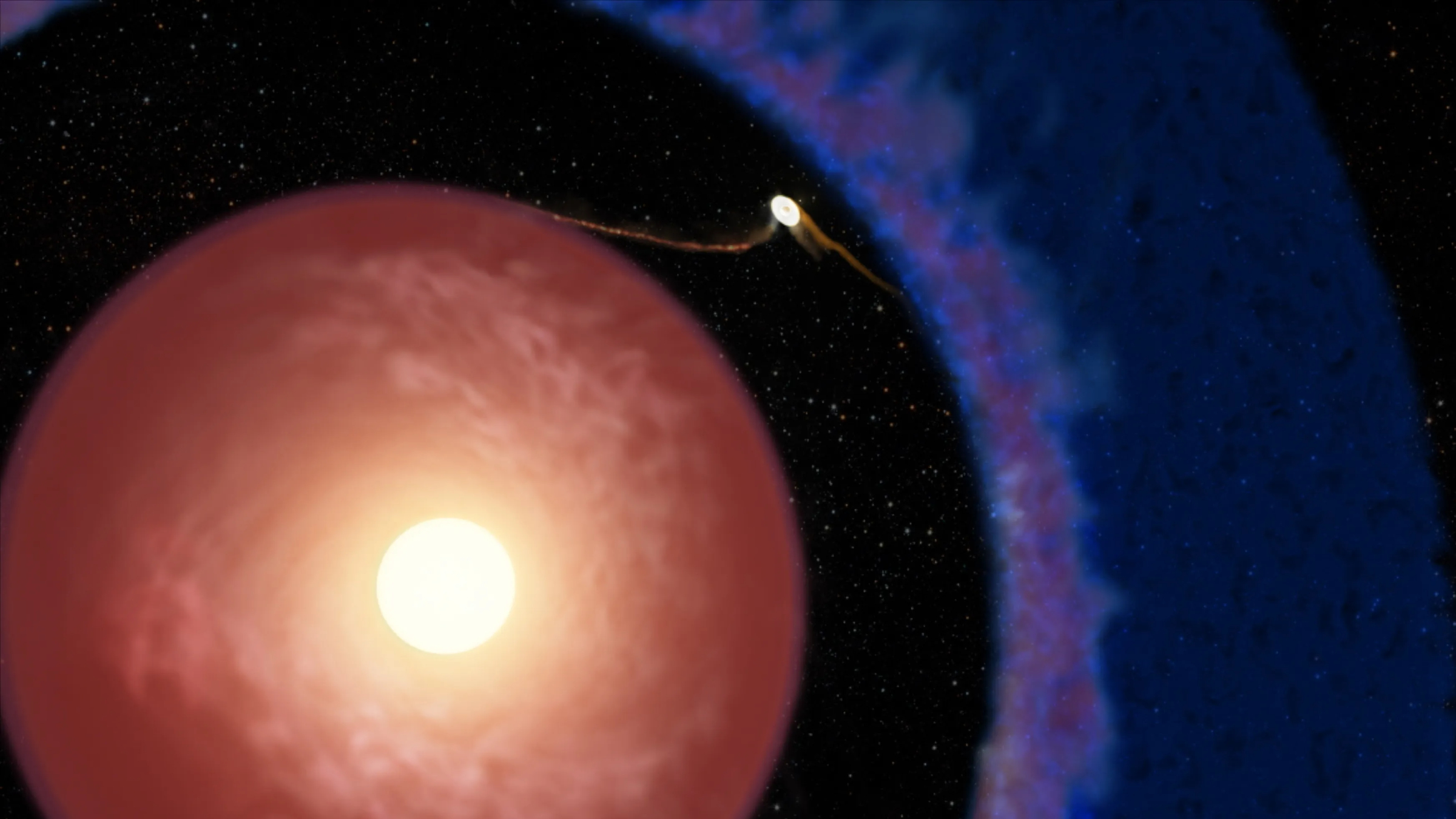
The baby planet, named Elias 2-24 b, orbits a young star 450 light-years from Earth. At less than 1 million years old, it's roughly 5,000 times younger than our own planet and at least twice as young as any other known world outside our solar system.
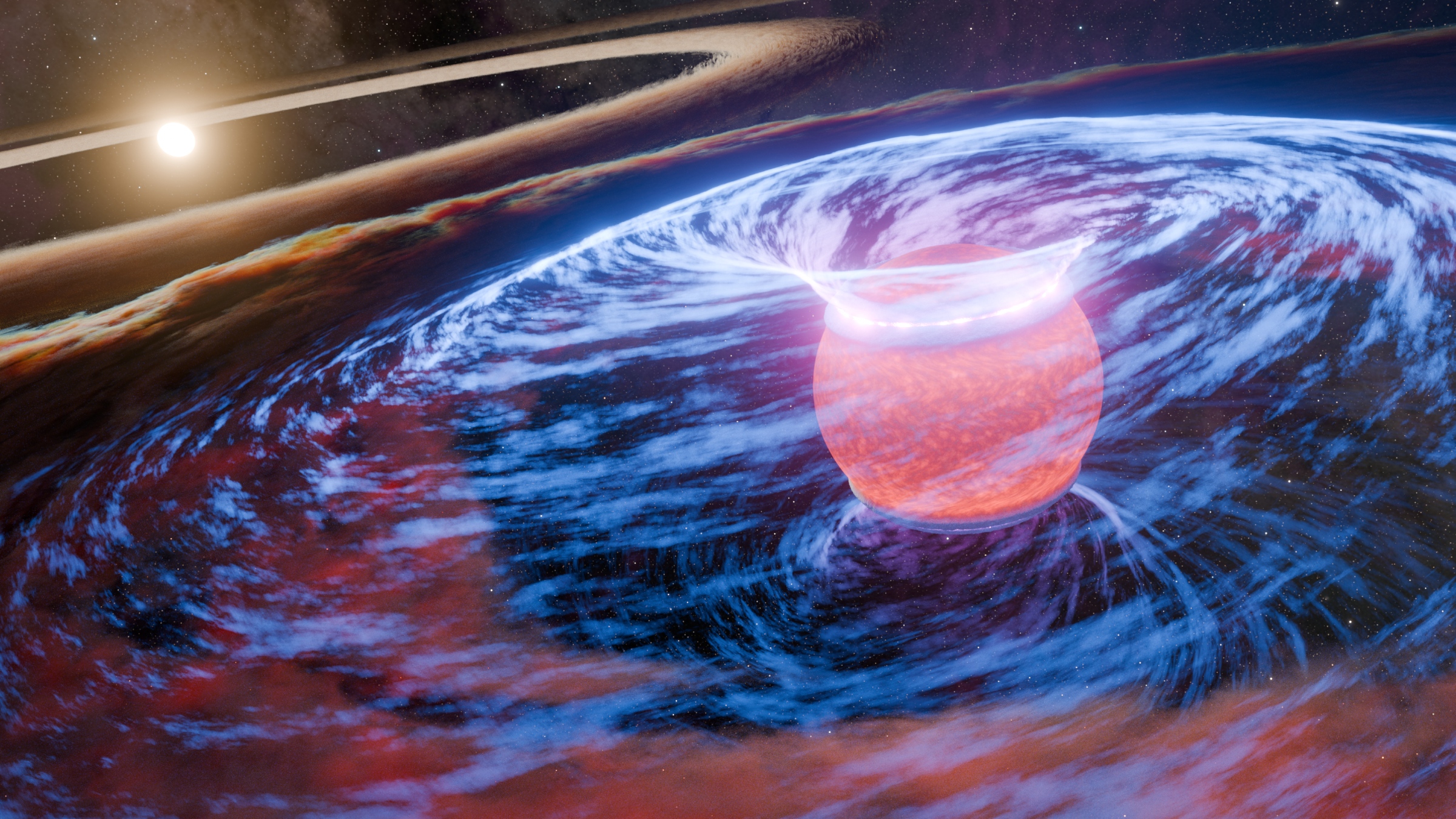
What makes this discovery so thrilling is that scientists can watch the planet still feeding from its star's protoplanetary disk. This swirling ring of gas and dust is the leftover material from the star's formation, and planets grow by pulling this material together through gravity.
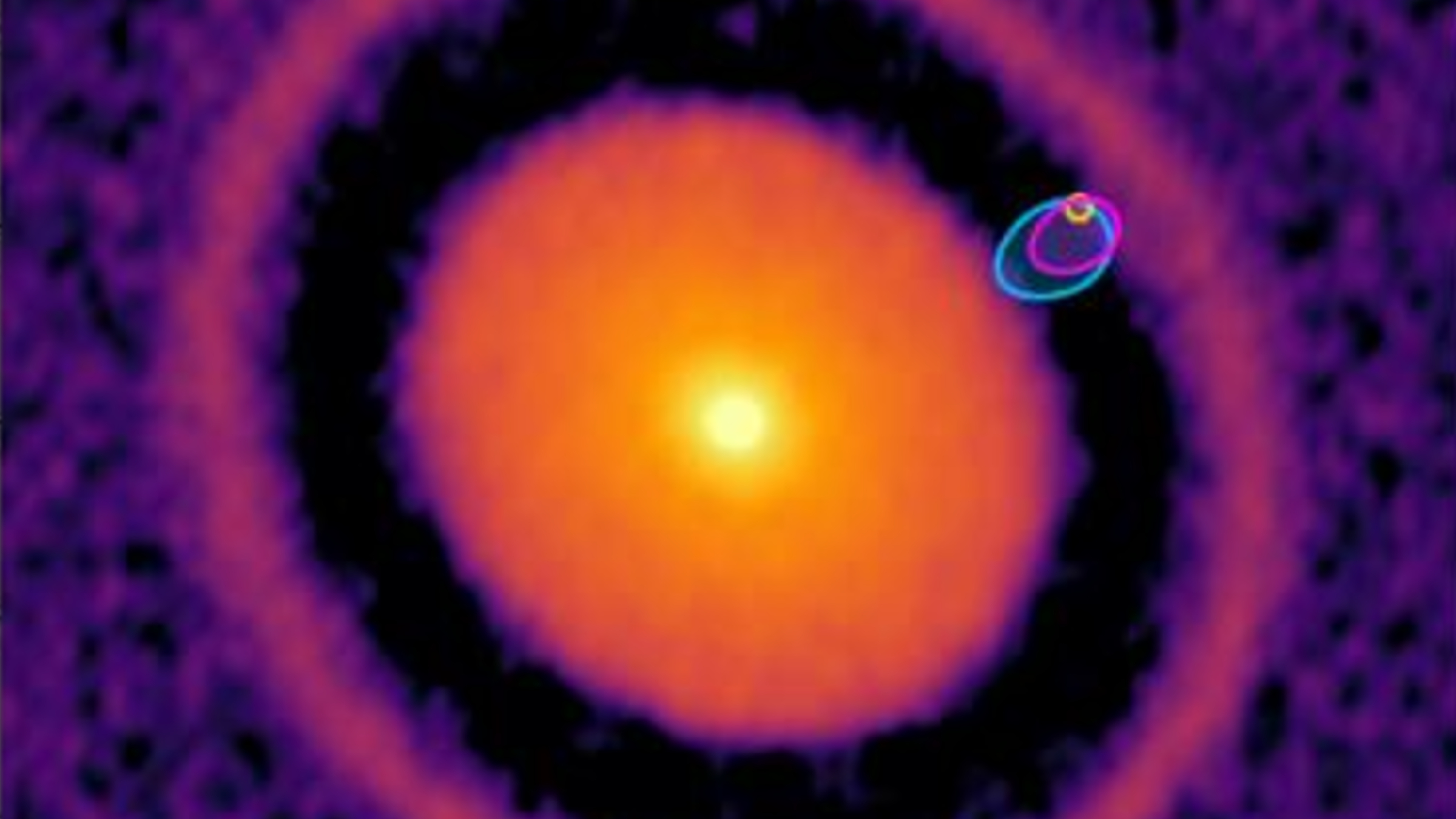
Astronomers first noticed a gap in the disk back in 2017, hinting that something was forming there. But they couldn't see the planet directly until now. Using three powerful telescopes working together, researchers finally captured images of the massive world, which weighs between two and four times more than Jupiter.
"This is the youngest planet detected so far, and because it is still actively accreting material from its surroundings, we're able to observe a stage of planet formation that is rarely seen directly," said Andrea Bernardi, who led the study published in The Astrophysical Journal Letters.
The discovery pushes past what scientists previously thought was possible. Until recently, telescopes couldn't spot planets younger than about 5 million years old because these infant worlds hadn't cleared large enough gaps in their stellar nurseries to become visible.
Recent advances in telescope technology and data analysis changed that game. In the past two years alone, astronomers discovered planets 3 million and 2 million years old. Elias 2-24 b shatters that record by being at least half as young again.
Why This Inspires
This tiny cosmic infant is teaching scientists that planet formation happens even faster and differently than they imagined. Our best models of how planets form struggled to explain the previous record holders, and now this discovery shows there's still so much to learn about the universe's most fundamental processes.
Watching a planet grow in real time gives researchers clues about how Earth itself came into being over 4.5 billion years ago. Every observation of Elias 2-24 b pulls back the curtain on our own planetary origin story.
The discovery also highlights how far telescope technology has come. Scientists are no longer limited to studying ancient, fully formed worlds. They can now peer into stellar nurseries and catch planets in their cosmic cribs, opening entirely new chapters in our understanding of how solar systems take shape.
Finding this baby planet proves that somewhere right now, countless other worlds are being born across the universe.
More Images
Based on reporting by Live Science
Building Something New? Try the BrightWire Tech Stack Advisor
Compare modern frameworks, cloud hosting, and AI tools tailored to your project budget and scale.
Share This Good News Story
Send a dose of constructive journalism to someone who needs it today.
More Good News