Scientists Stop Pancreatic Cancer Before It Starts in Mice
University of Pennsylvania researchers eliminated precancerous pancreatic cells in mice before they became tumors, nearly doubling survival time. It's the first proof that medical intervention can stop pancreatic cancer at its earliest stage.
Scientists just did something that seemed impossible: they stopped pancreatic cancer before it could even start.
Researchers at the University of Pennsylvania targeted microscopic precancerous cells in the pancreas of mice and eliminated them before they turned into tumors. Mice treated at this earliest stage survived nearly twice as long as those treated after cancer developed.
The breakthrough, published in Science, marks the first time scientists have shown that medical intervention can stop these tiny lesions from becoming pancreatic cancer. It's powerful evidence for an emerging field called cancer interception.
"I'm convinced that cancer interception will become the next frontier of cancer therapy," said Dr. Robert Vonderheide, director of Penn Medicine's Abramson Cancer Center. Pancreatic cancer has one of the worst survival rates of any cancer, with limited treatment options and no proven way to screen for it early.
Cancer interception works differently than cancer prevention. Instead of stopping cancer from forming at all (like vaccines or quitting smoking), it targets cells already on the path toward malignancy and stops them in their tracks.
Most pancreatic tumors grow from microscopic lesions called PanINs. These tiny spots are too small to see on scans and are actually common in adult pancreases. Only a rare few ever turn into cancer, but scientists don't yet understand why.
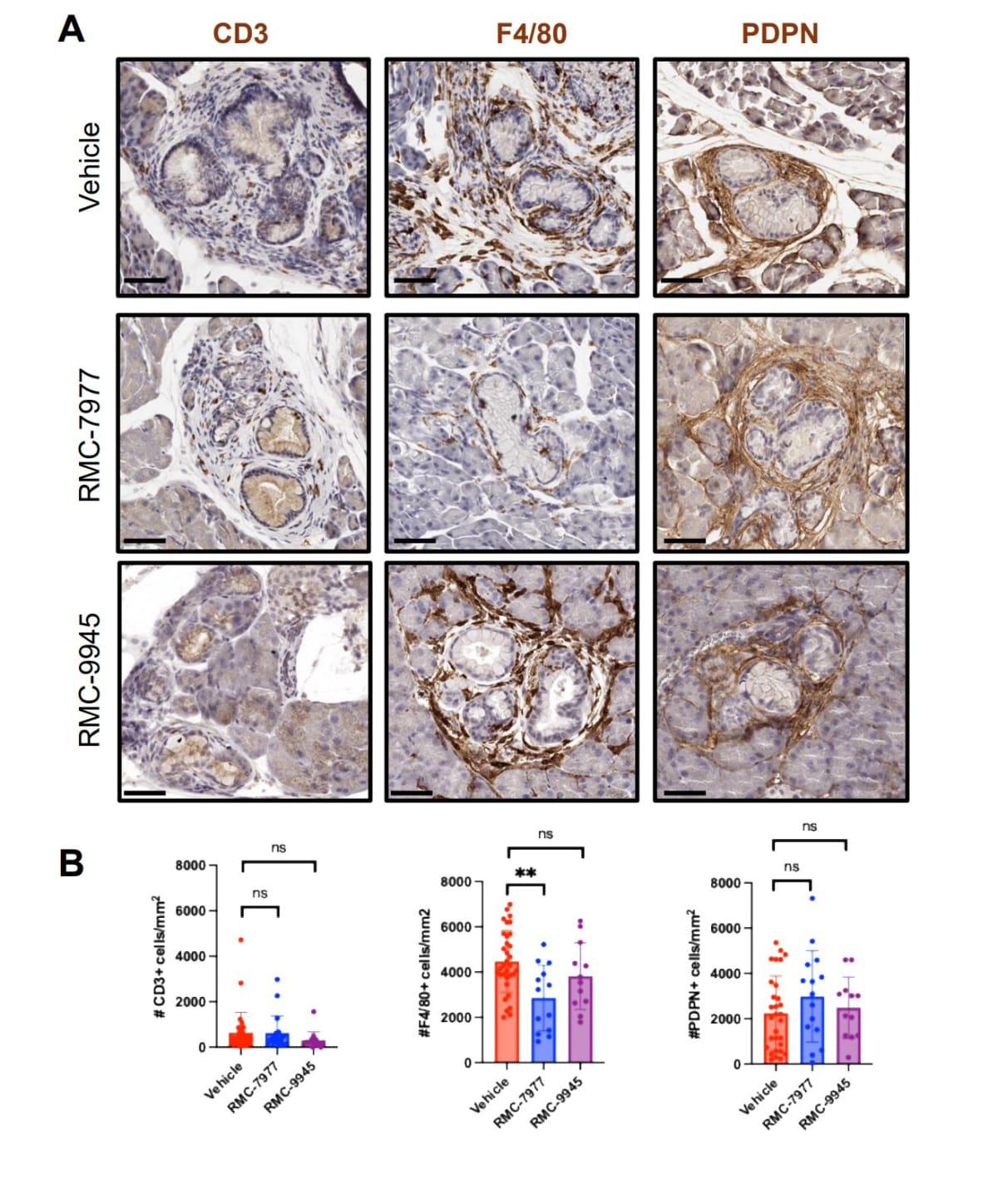
The Penn team used two experimental drugs that target KRAS, a cancer-causing gene found in over 90% of pancreatic cancers. For decades, KRAS was considered "undruggable," but the first KRAS inhibitor was approved in 2021 for lung cancer.
After giving mice the treatment for just 10 days, researchers saw the precancerous lesions shrink. After 28 days, the results were even more dramatic. Long-term treatment tripled survival time compared to untreated mice.
The key finding: treating mice before tumors developed worked almost twice as well as treating them after cancer formed. Being proactive beats being reactive.
Why This Inspires
This research offers real hope for one of medicine's toughest challenges. Pancreatic cancer is so deadly partly because it's usually caught too late. By the time symptoms appear, the disease has often spread.
The idea of catching and stopping cancer at its earliest whisper, before it gains strength, could transform how we think about treatment. Colonoscopies already do this mechanically by removing precancerous polyps. Now scientists are proving medical interception can work too.
The next step is testing this approach in human trials. If it works as well in people as it did in mice, it could become a game changer for the 66,000 Americans diagnosed with pancreatic cancer each year.
Sometimes the best fight is the one you win before it really begins.
More Images
Based on reporting by Google News - Health
This story was written by BrightWire based on verified news reports.
Spread the positivity!
Share this good news with someone who needs it